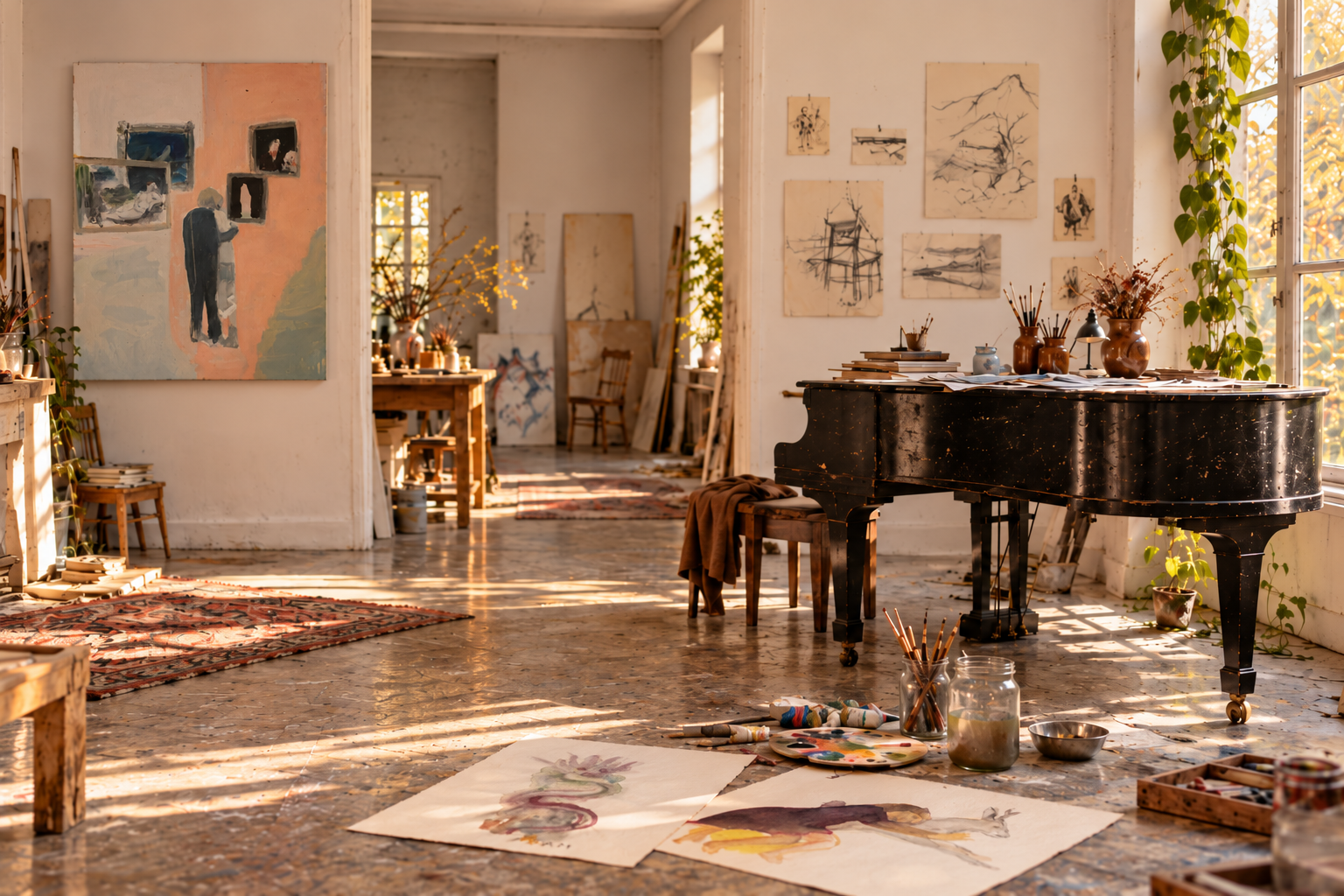
Susanne Husemann
Painting · PAN
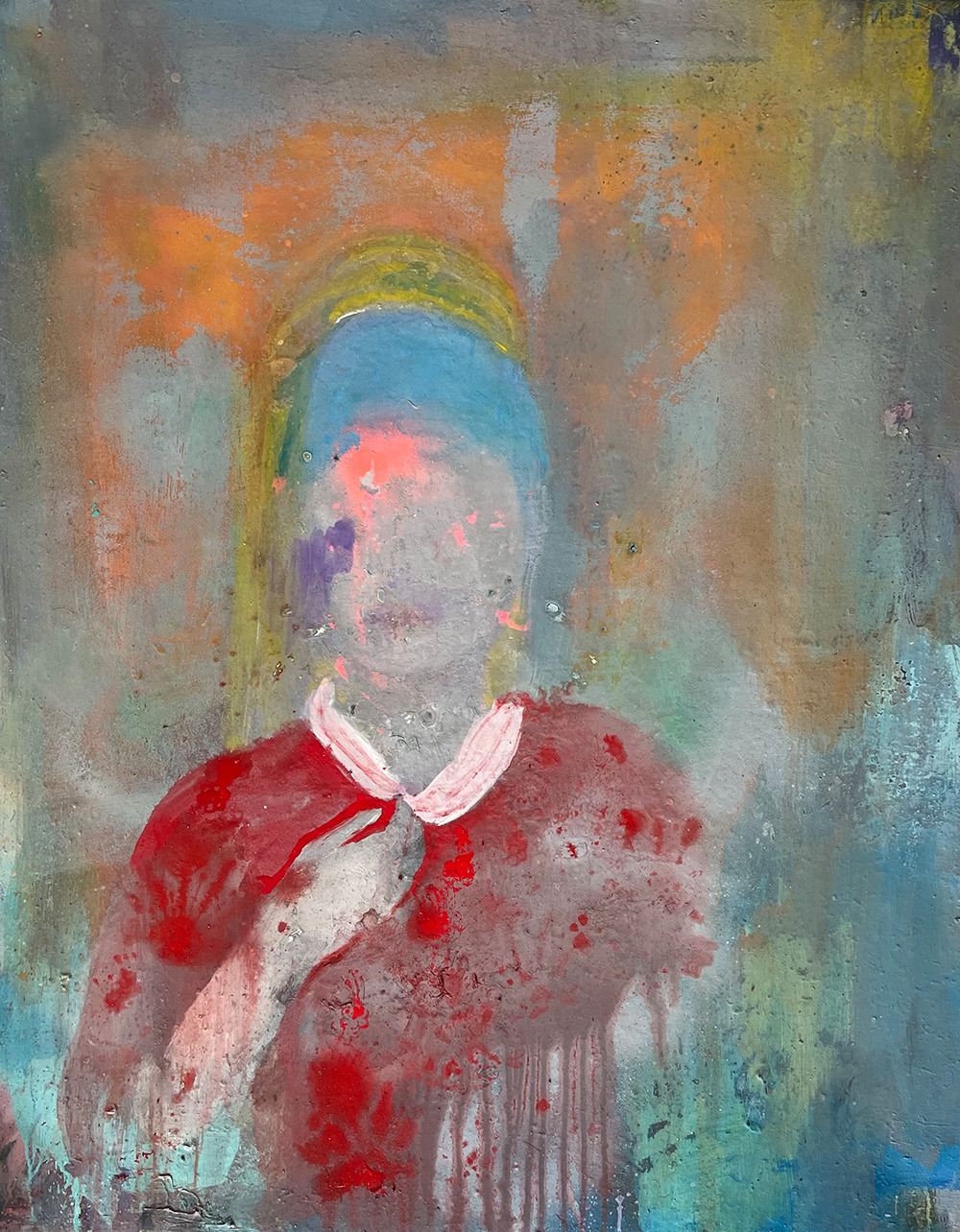
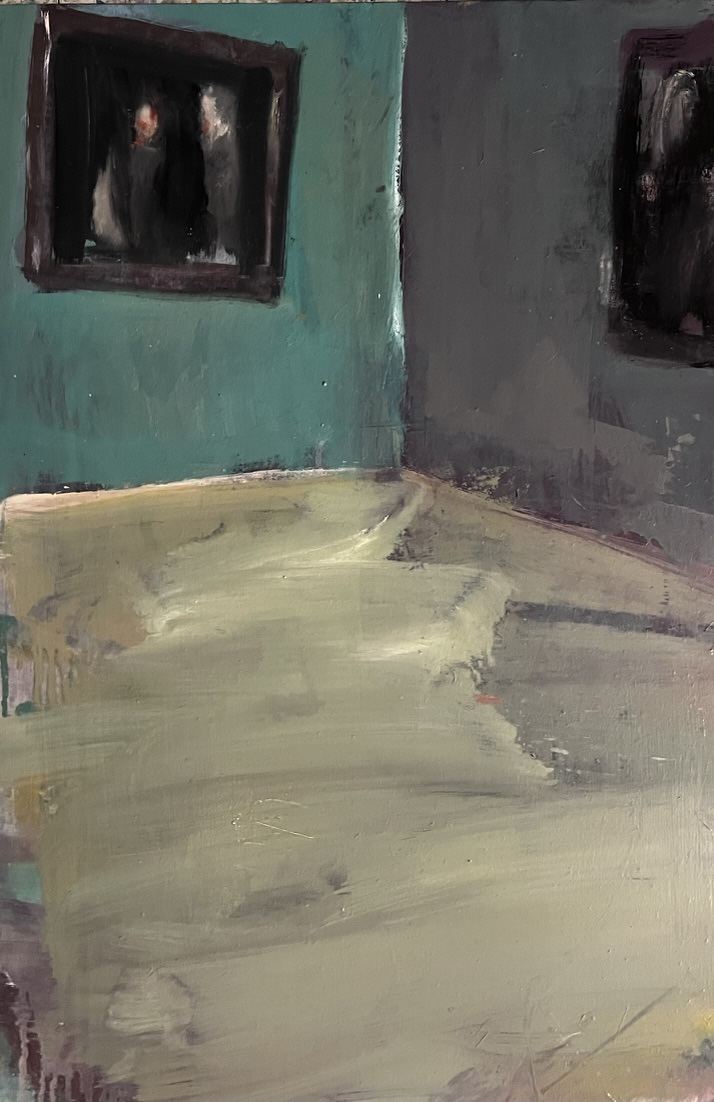
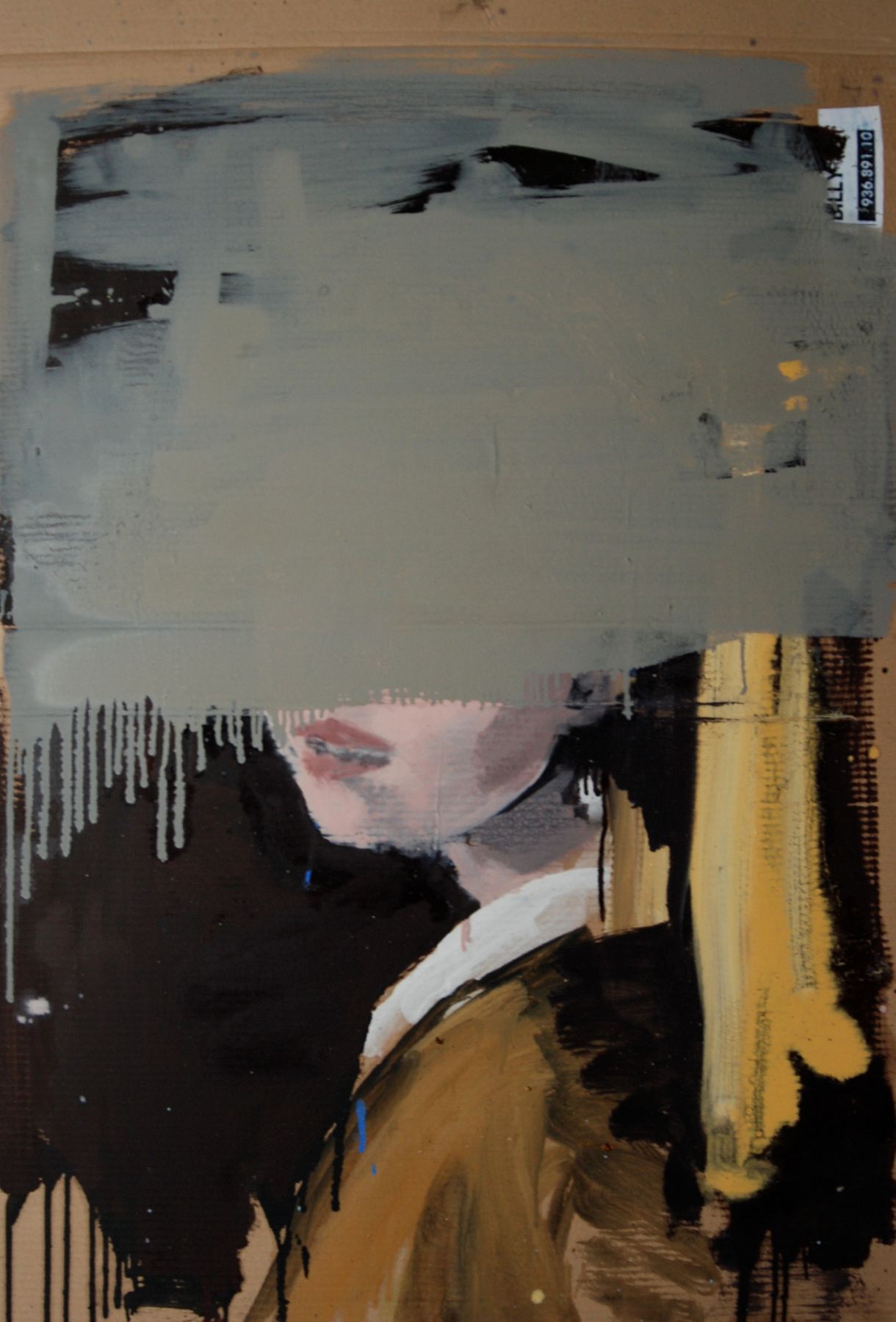
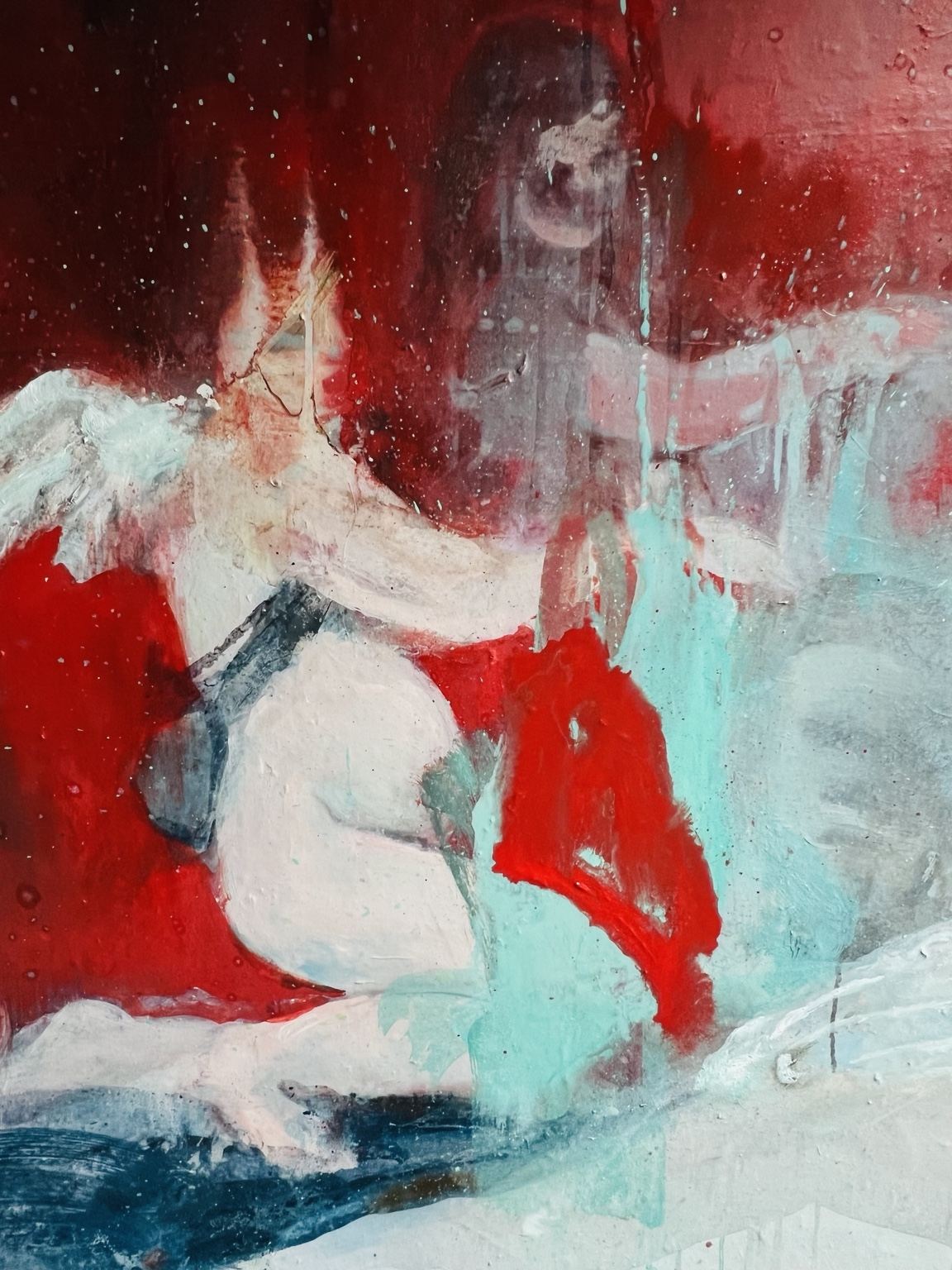
Entering the space of a painting
For many years I have been drawn to pictures that touch us immediately, like old acquaintances we carry within us without quite knowing where we know them from or what they mean to us. In these pictures we find meaning, sometimes as a certainty, sometimes as a question. I want to open familiar images to new experiences. My aim is to paint in an open morphogenetic field.
Journal
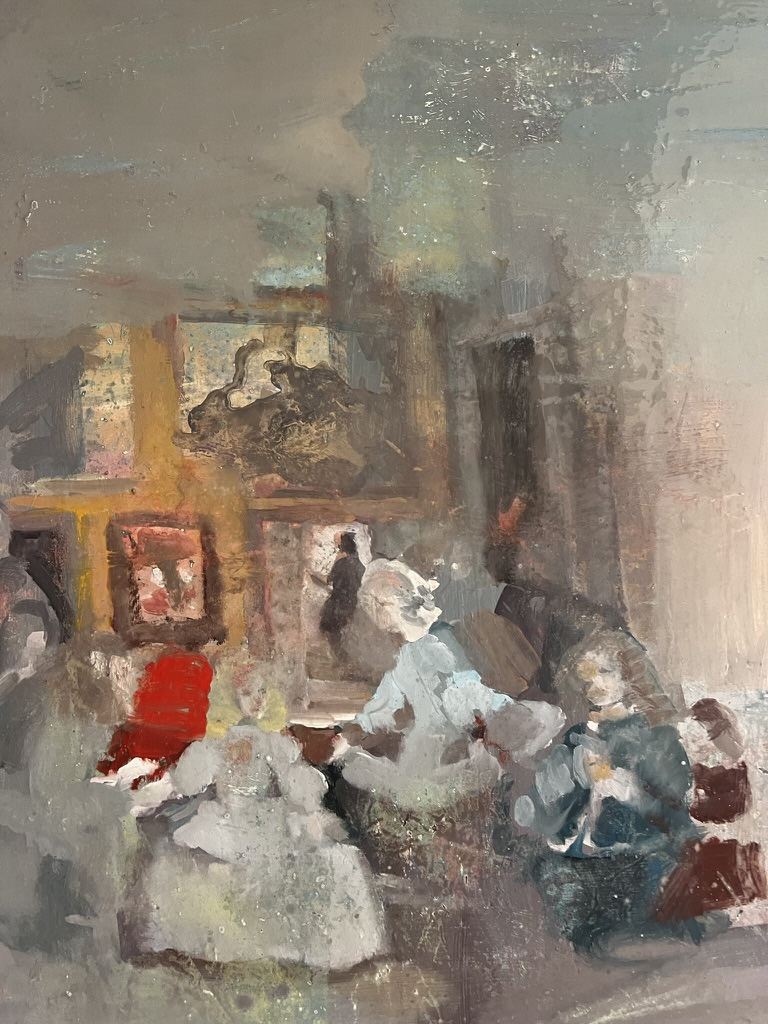
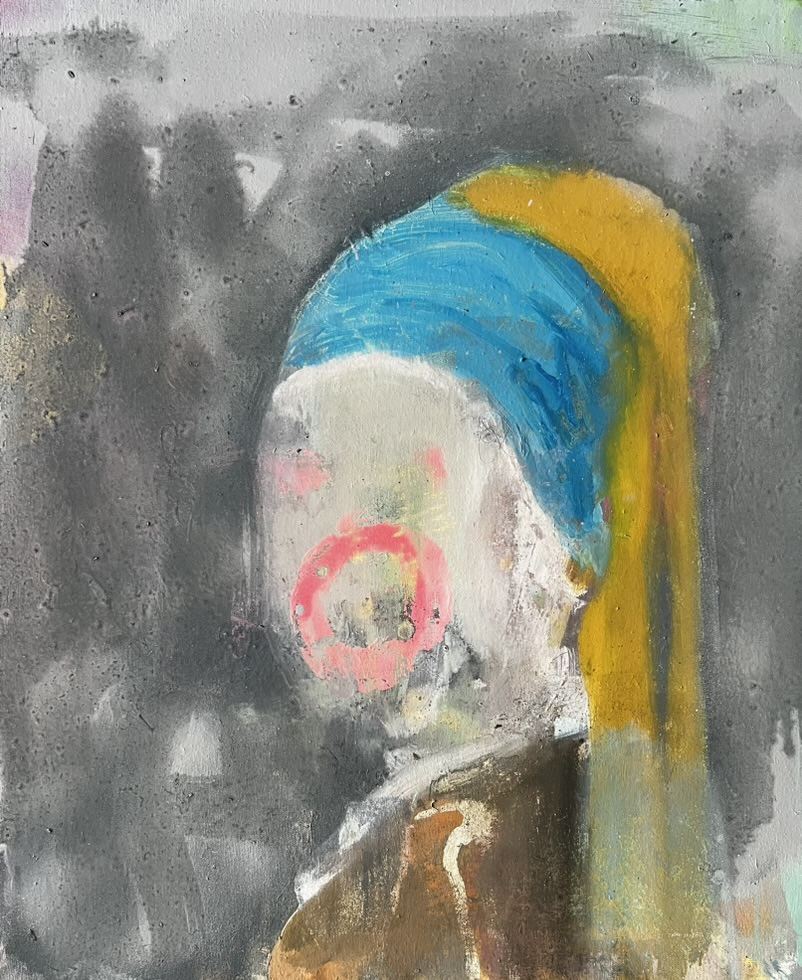
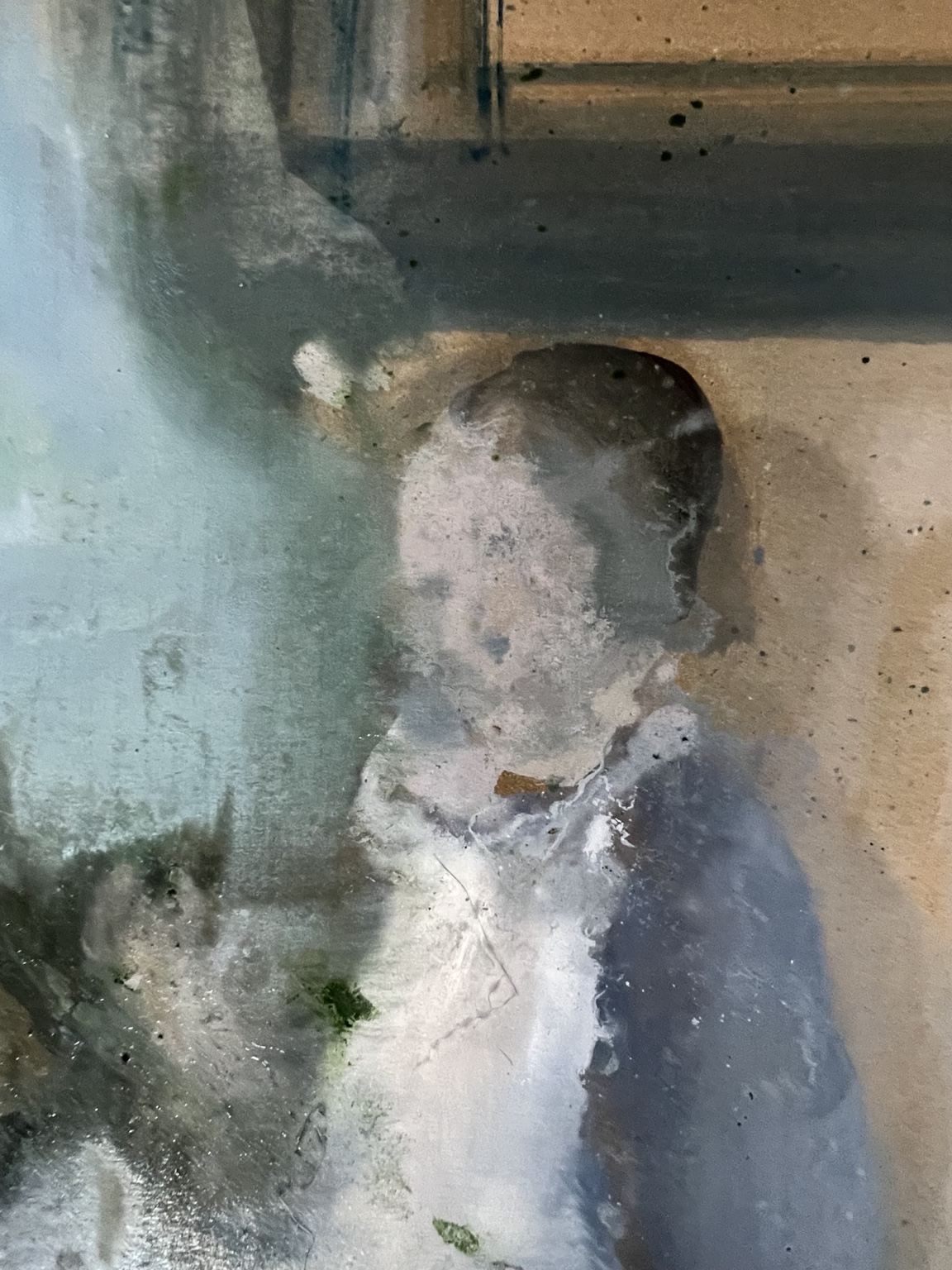
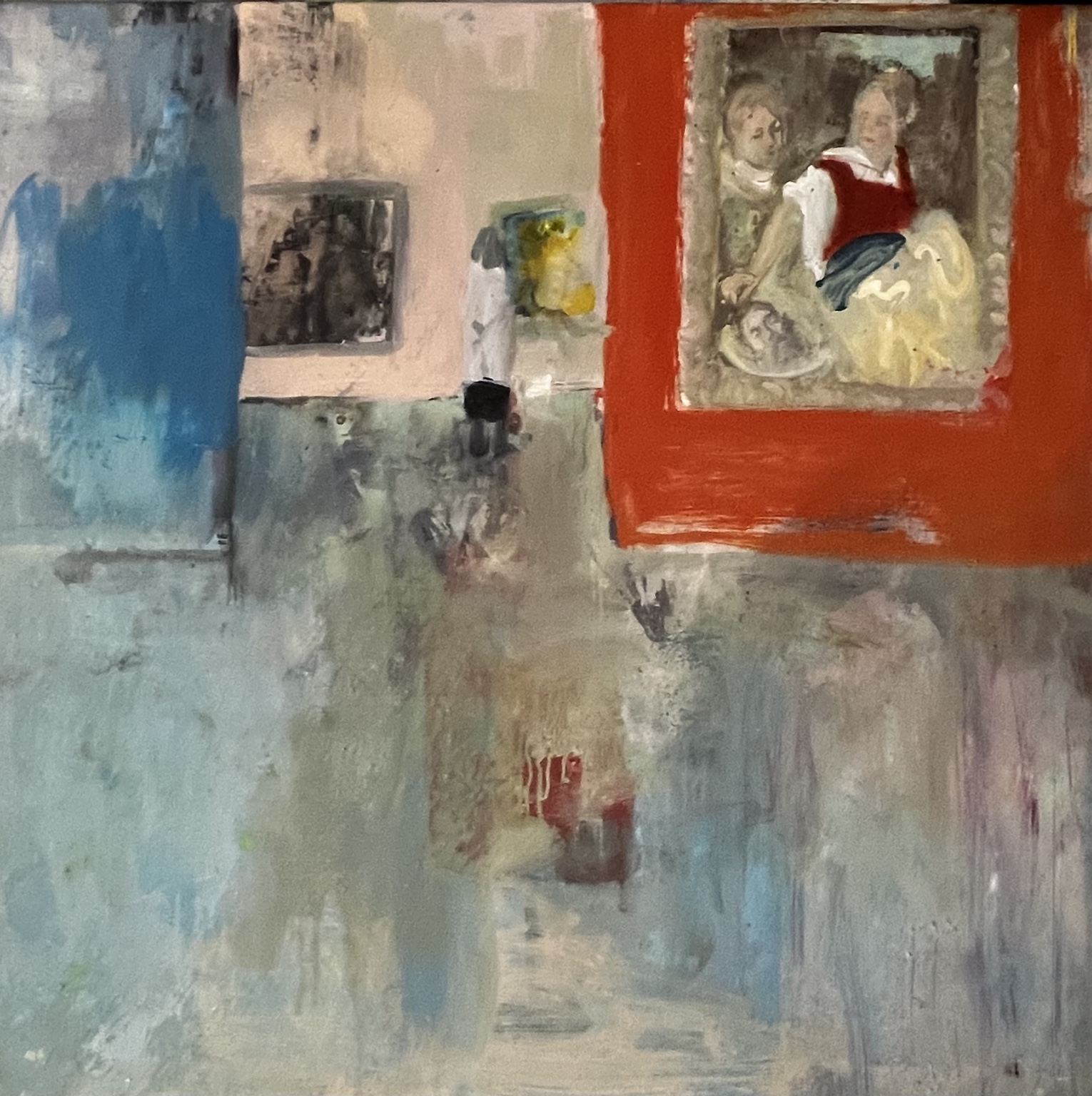
What happens in the space of a painting?
What actually happens in the space of a painting? What do I see when I paint? And what takes place between a colour, a movement of my hand and the picture as it gradually emerges?
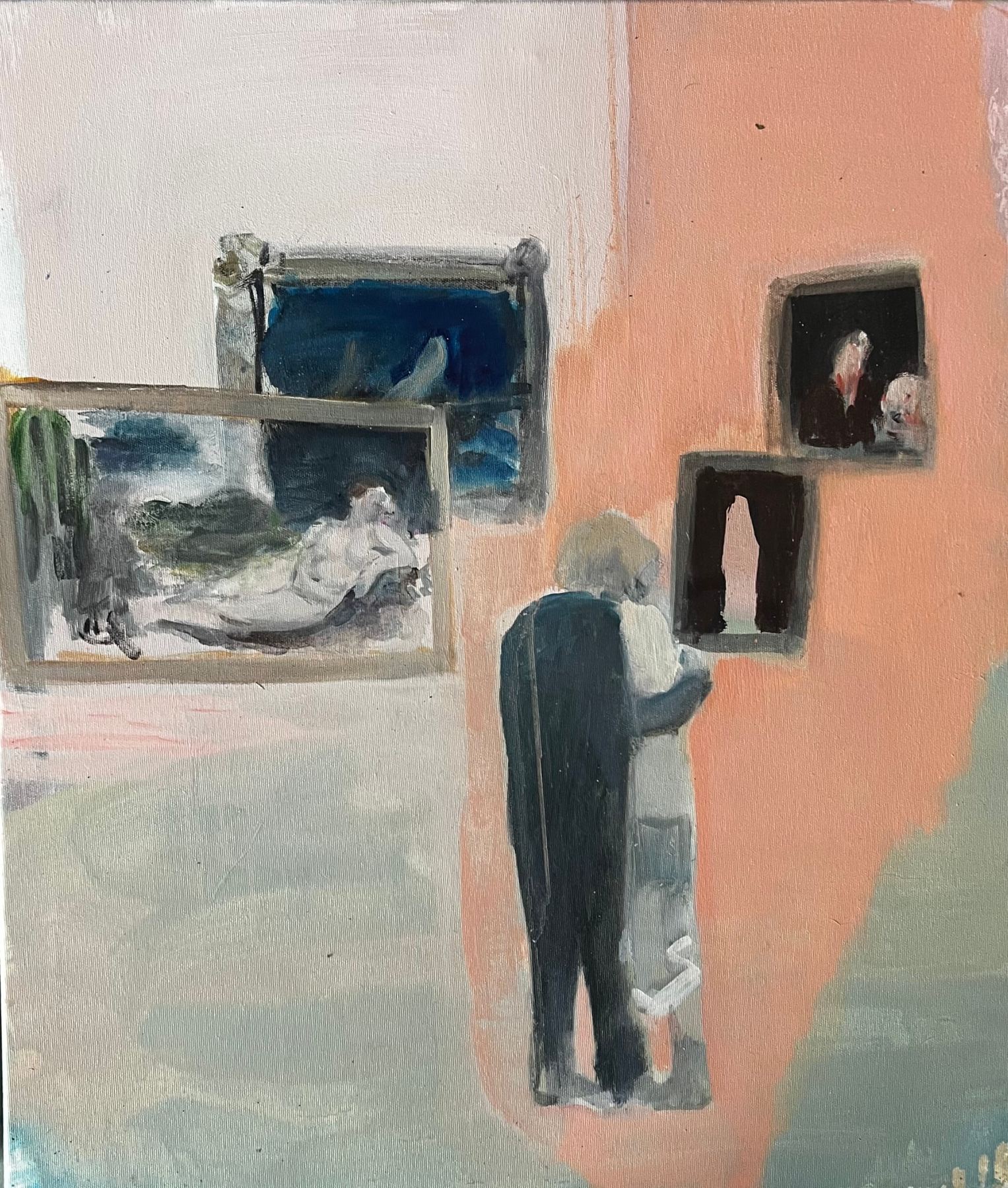
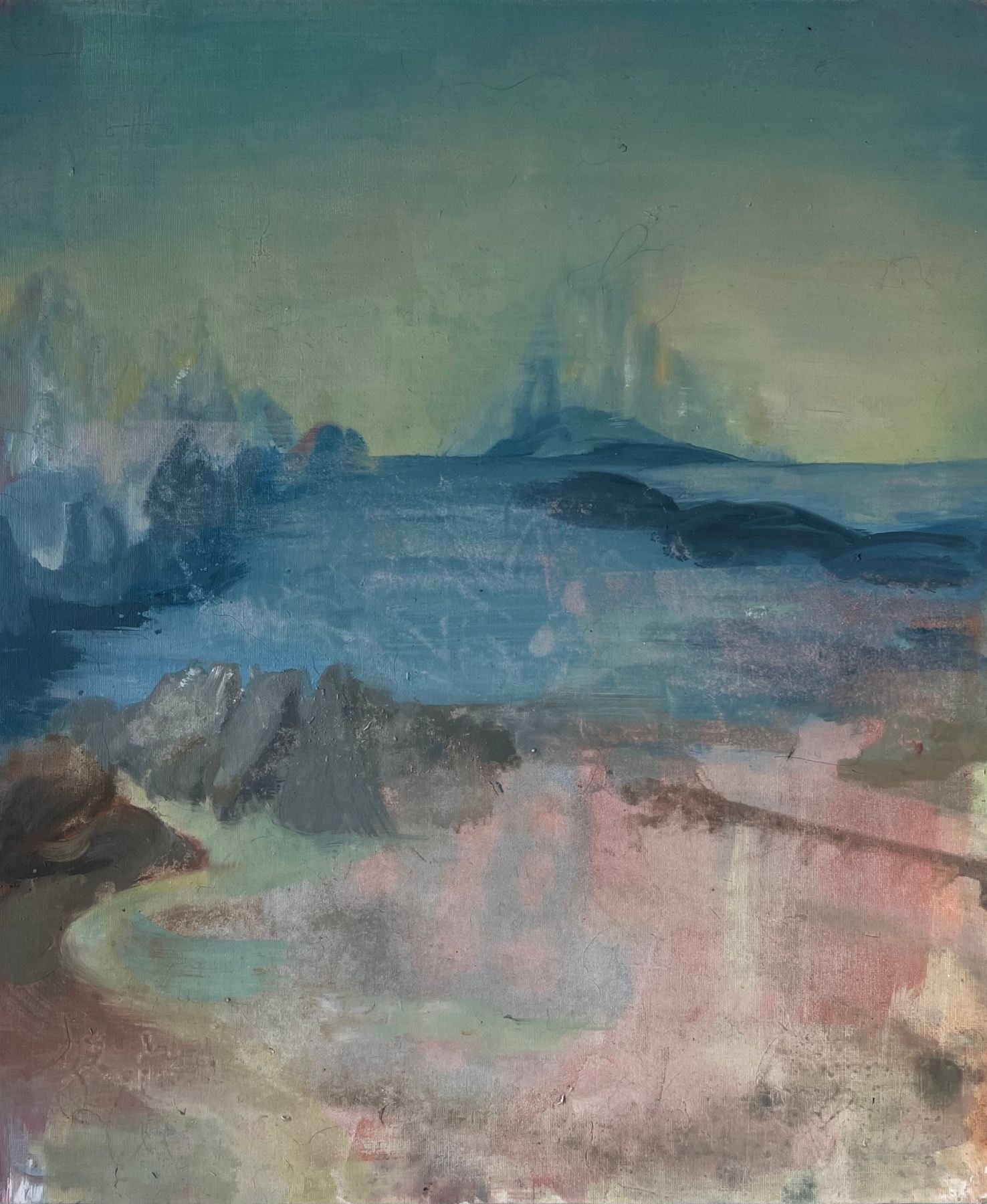
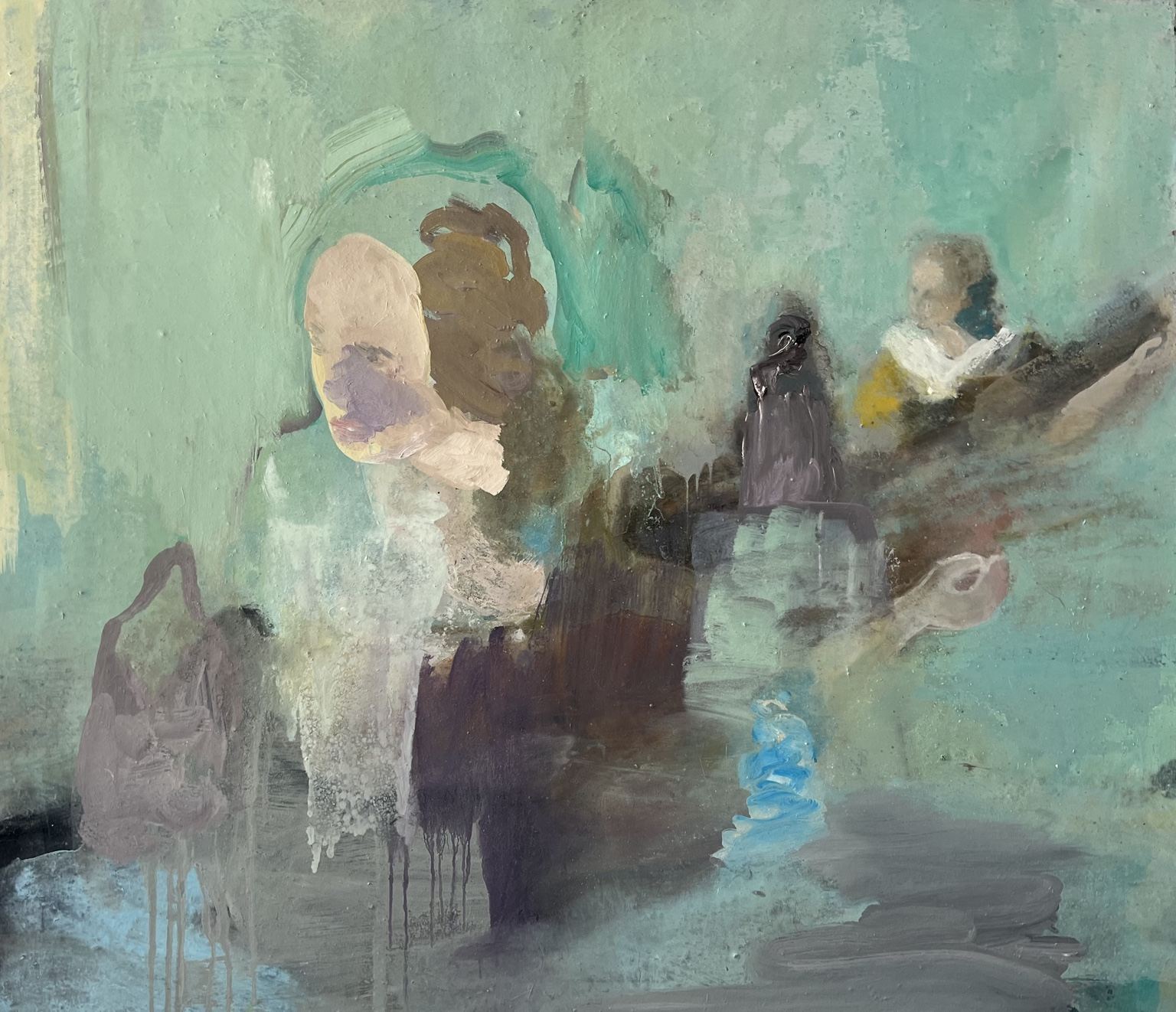
Painting · Tell Me About Love
The heart has work to do. It pumps the blood upwards, where it rises from Rococo fountains in beautiful jets.
I watch the fate of a plantain that failed to escape the stern gardener, its scattered blossoms lining the path. You cannot fool anyone about it. You do not belong in this dream of a garden. But I do not want a dream of a garden. I want plantain. I want all the plants you want to remove. I want to see something grow simply because that is where it wants to grow. In me, in you, between us.
The bud from my vulva, defenceless, which you have just innocently trampled. You cannot have seen it. You are looking elsewhere. There is much to see. And my heart beats louder as the bud falls and your semen curls into a thin film that tightens my skin.
Journal
Tell Me About Love
Artist’s book
Texts on the exhibition
The Secret of the Fourth Wall ↗ (German)
Tell Me About Love – On the Language of the Unspeakable ↗ (German)
Film
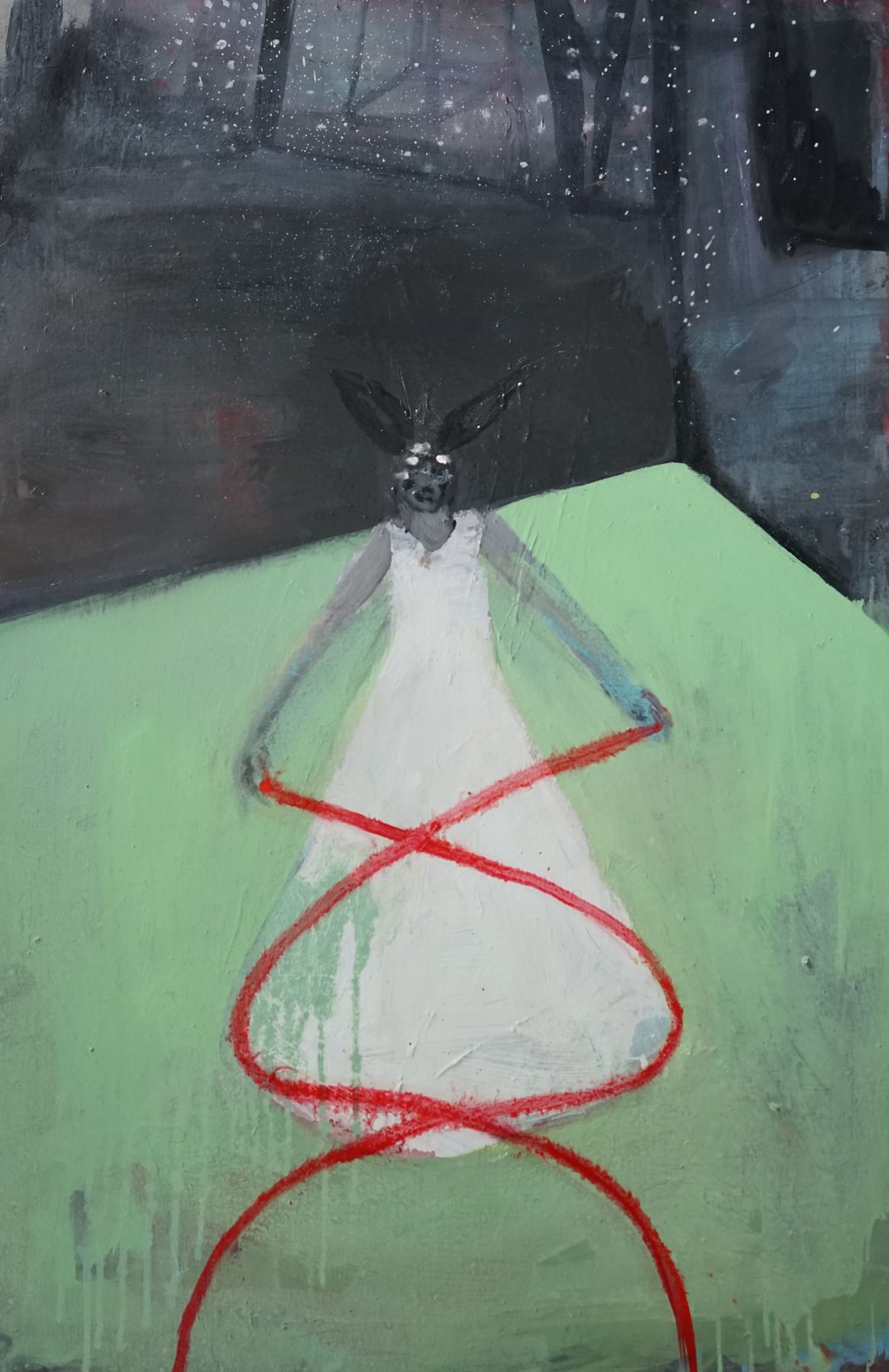
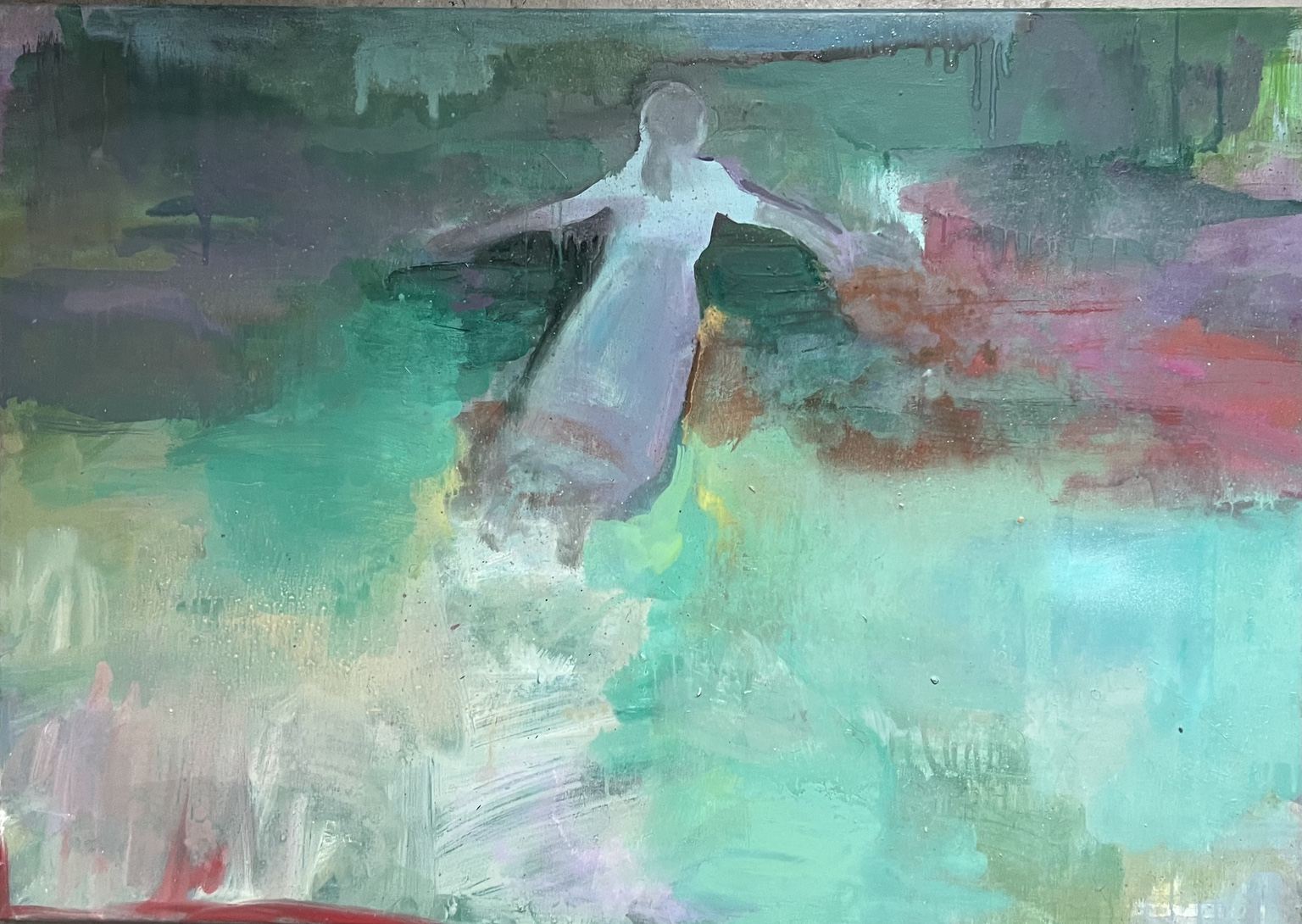
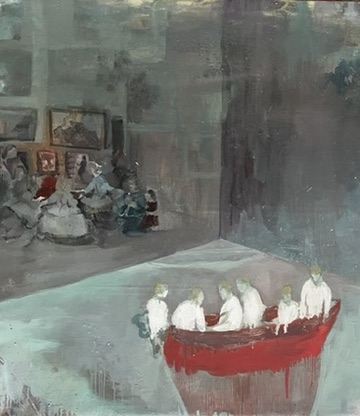
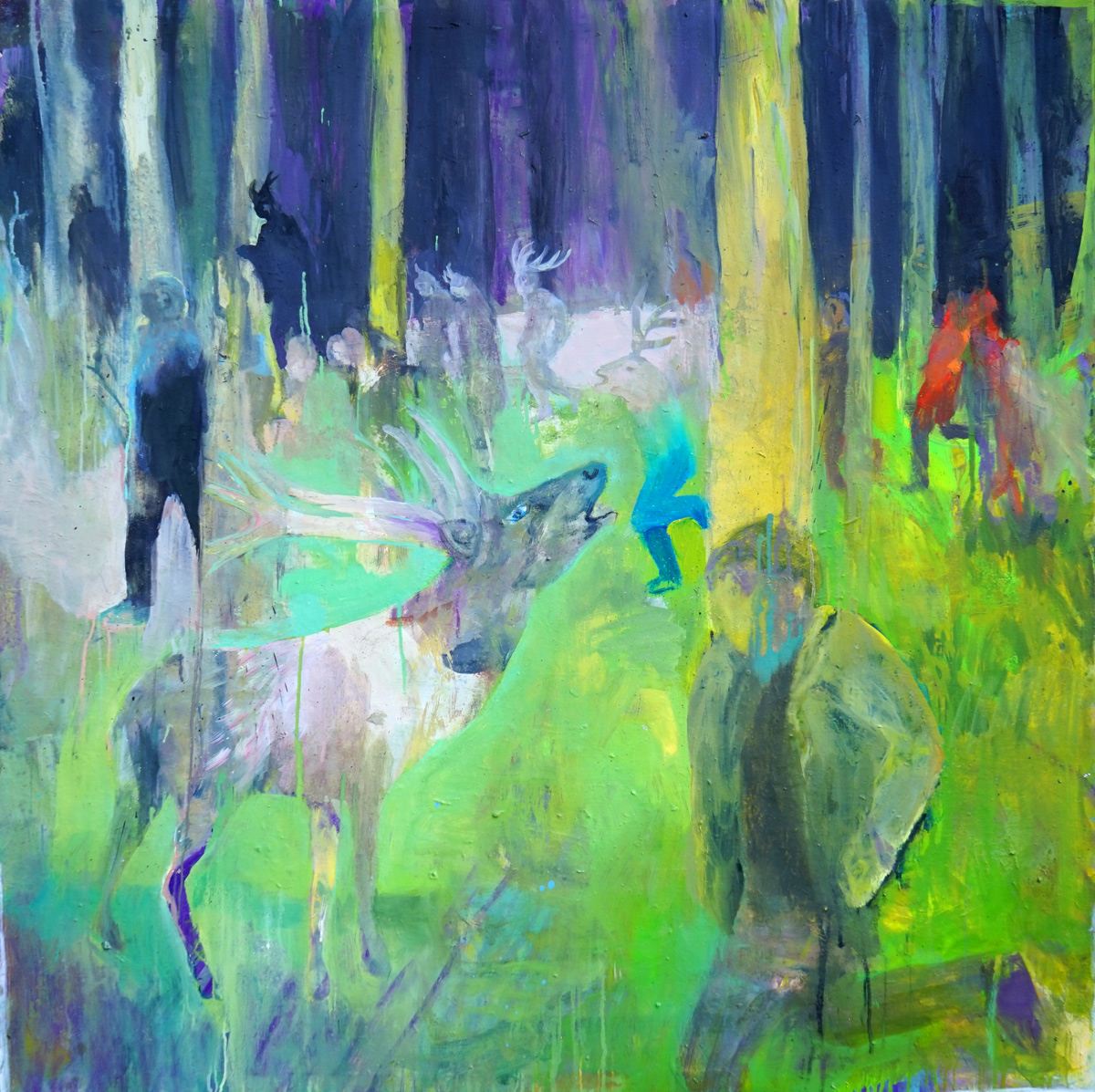
Painting · Le cri de Merlin
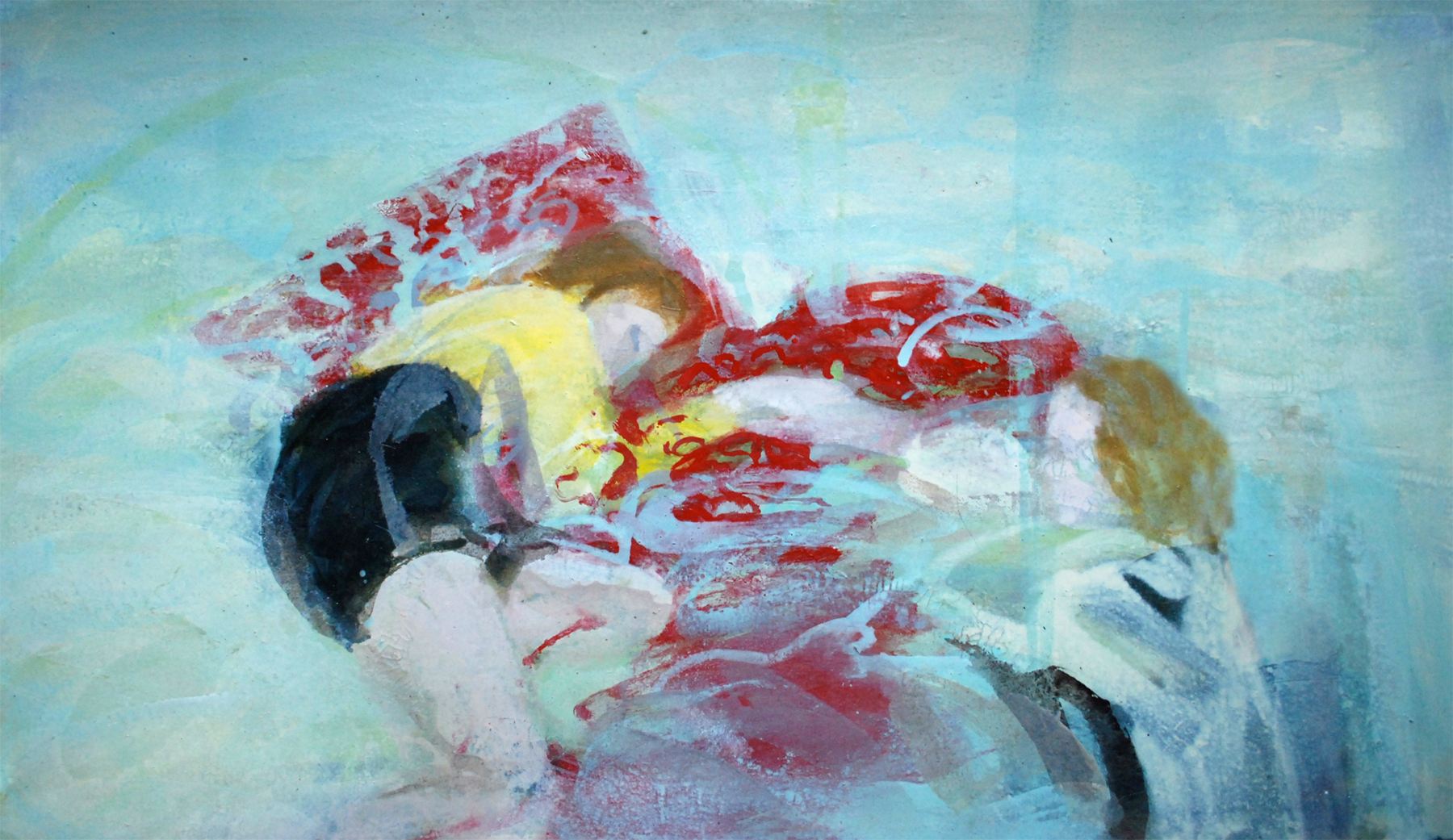
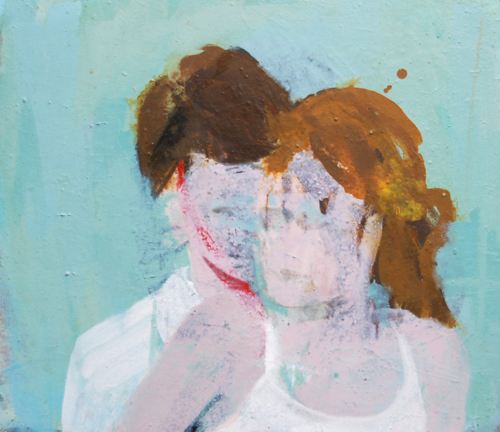
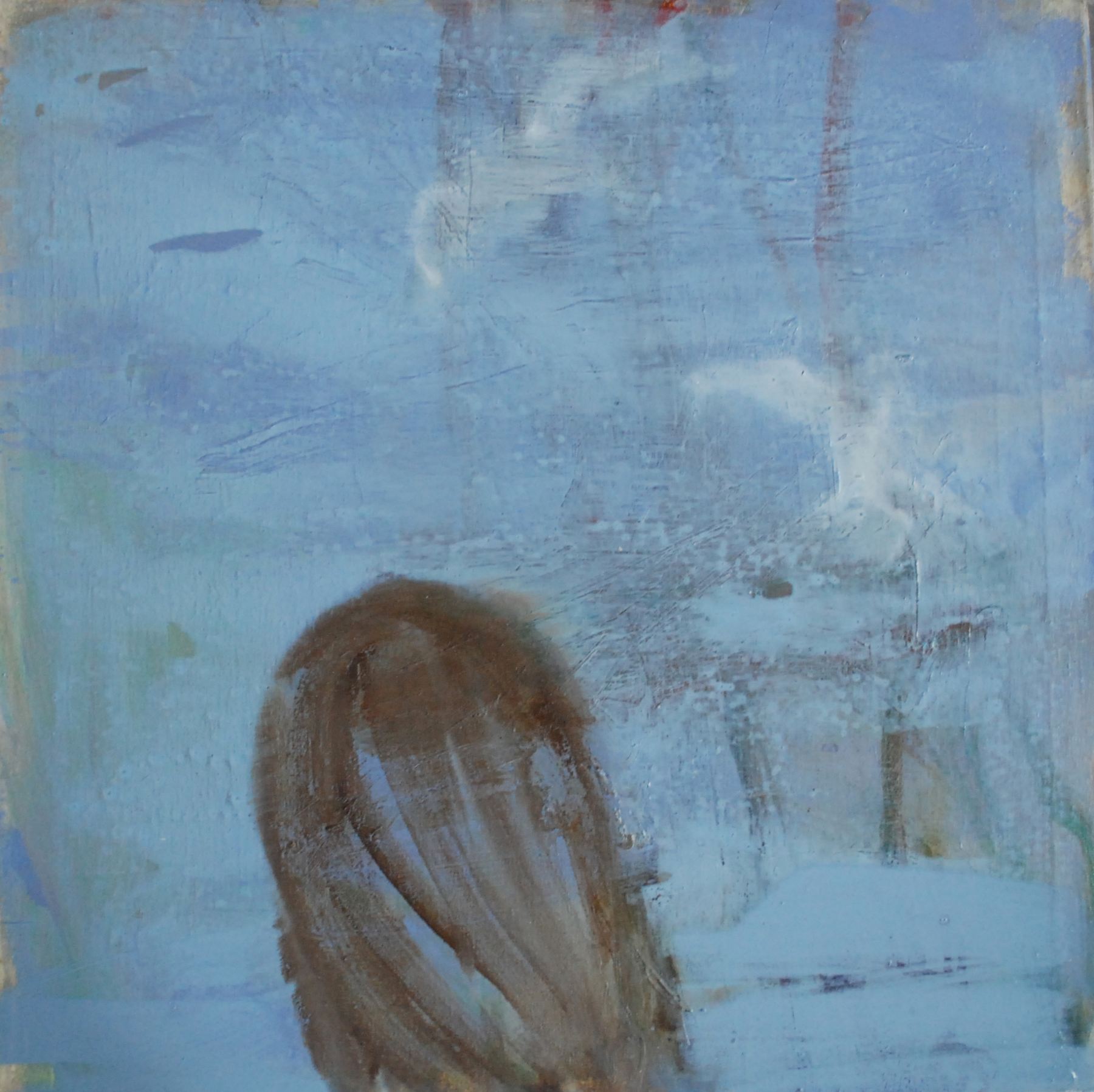
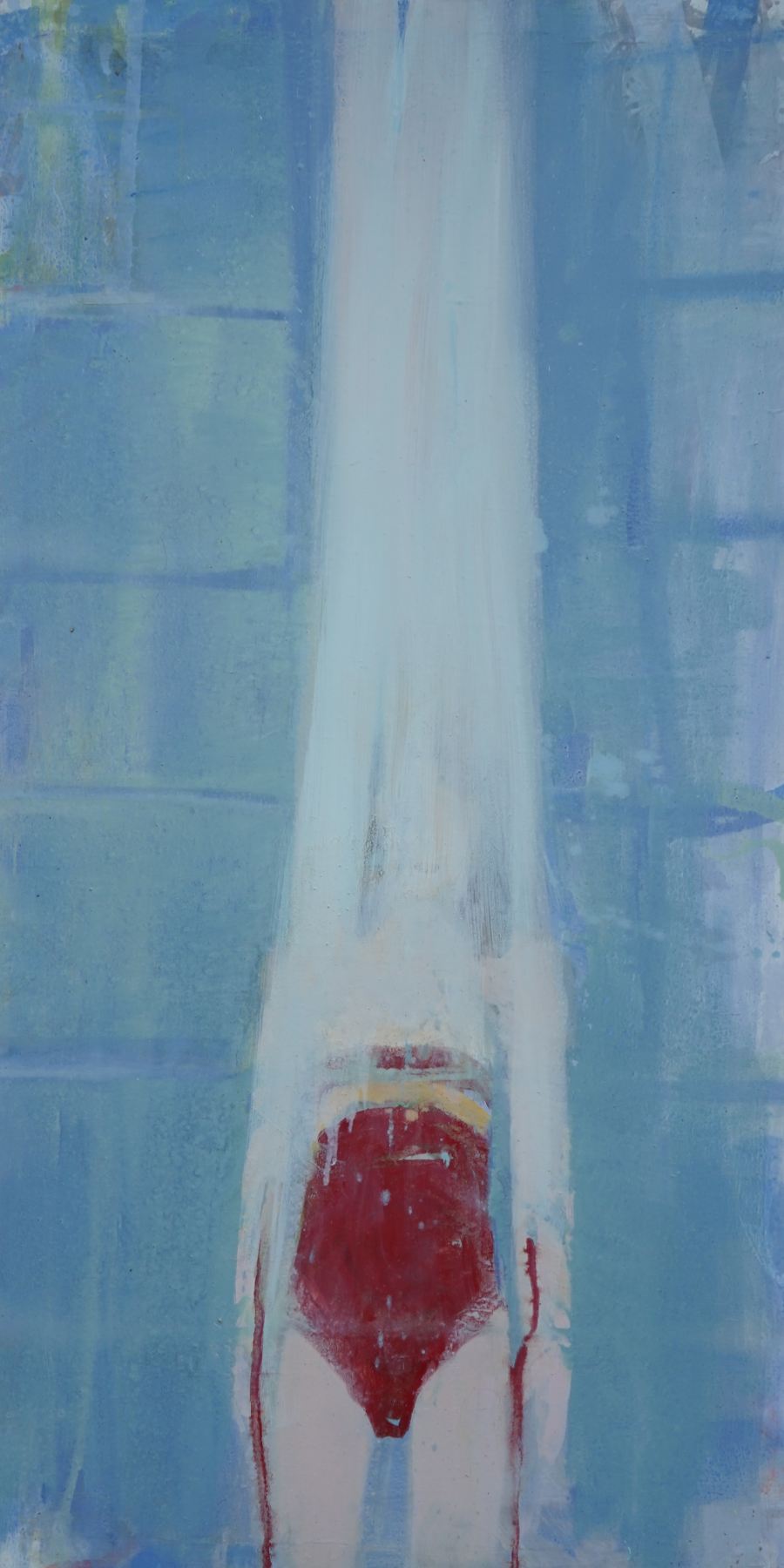
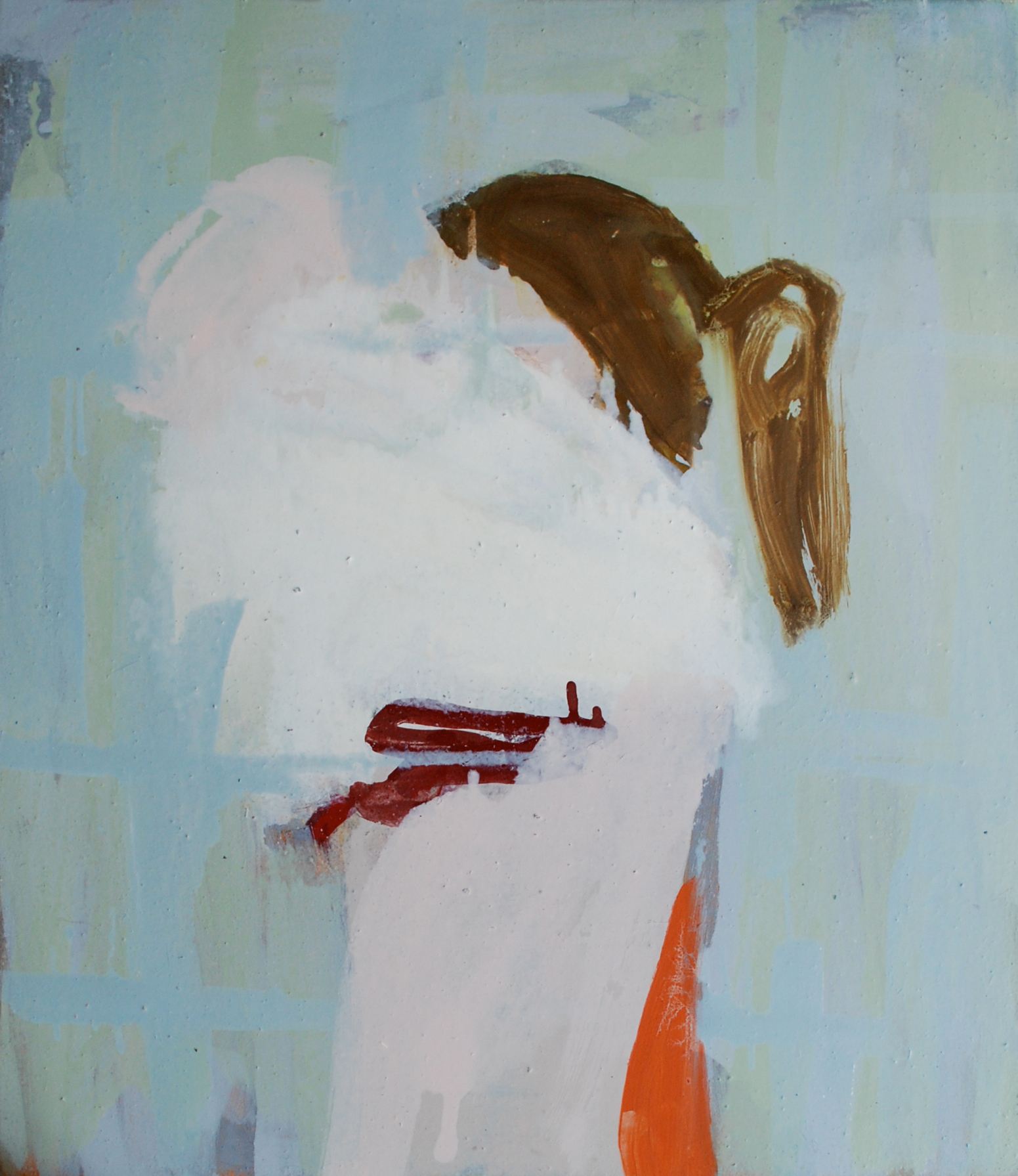
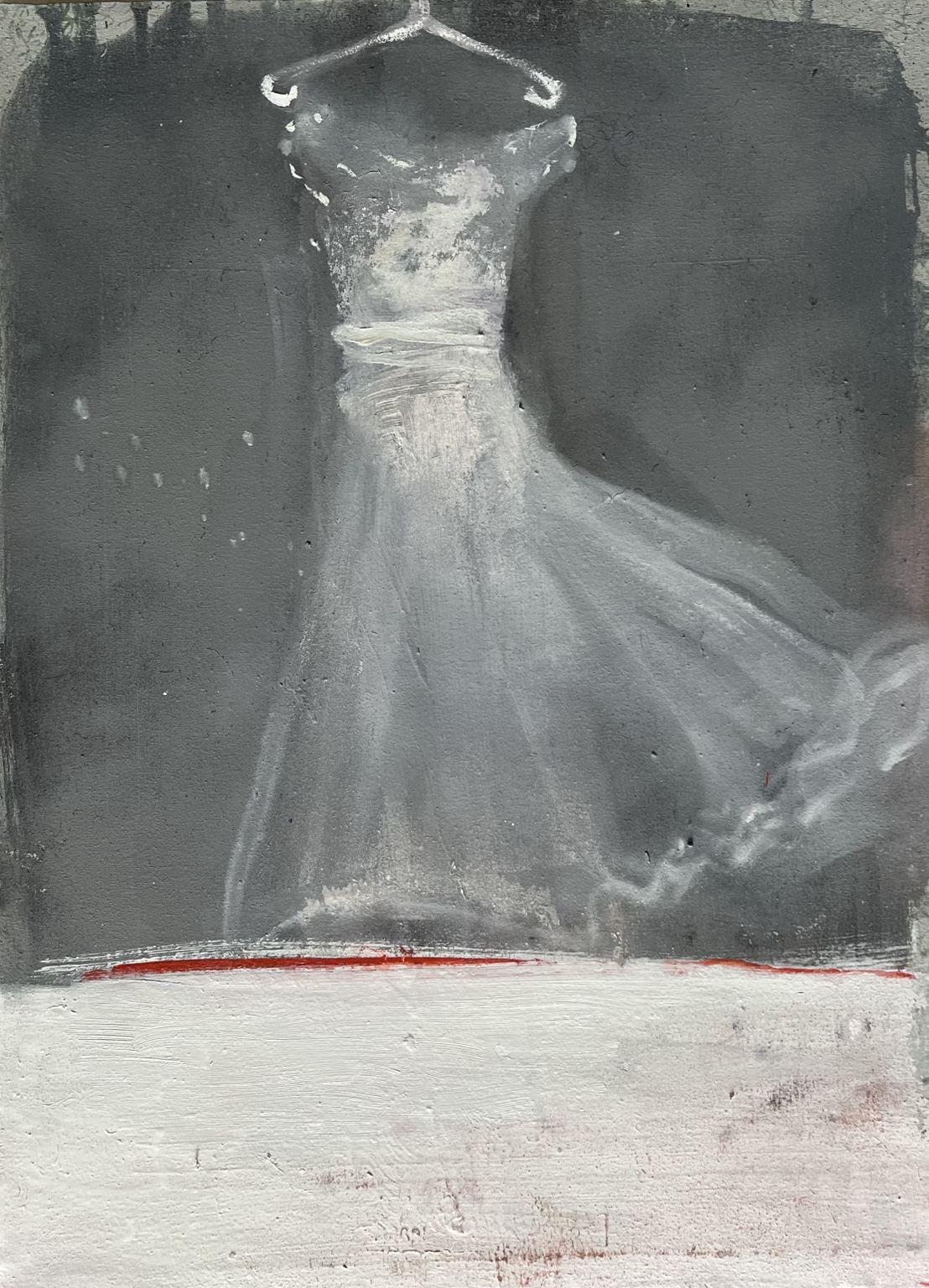
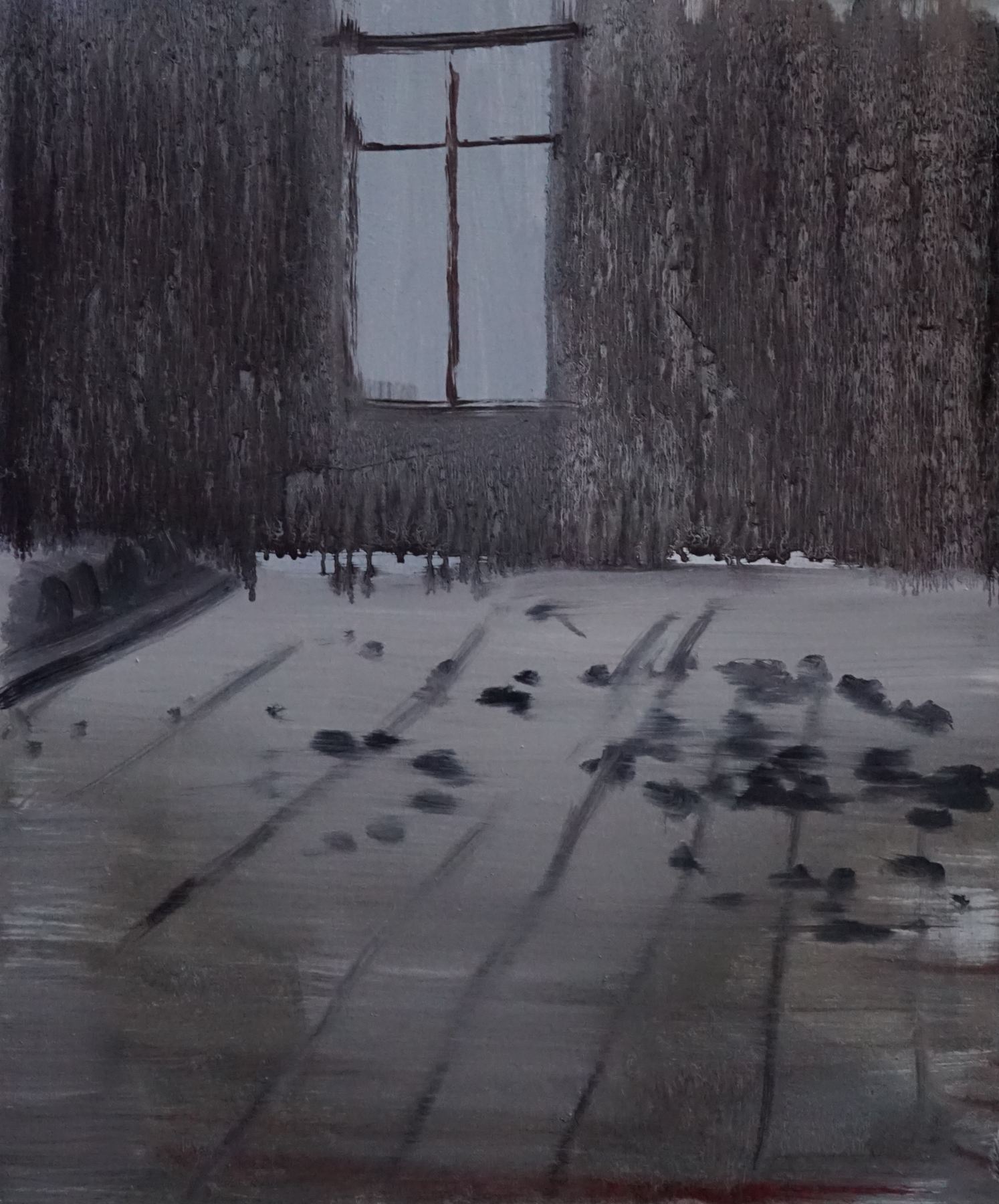
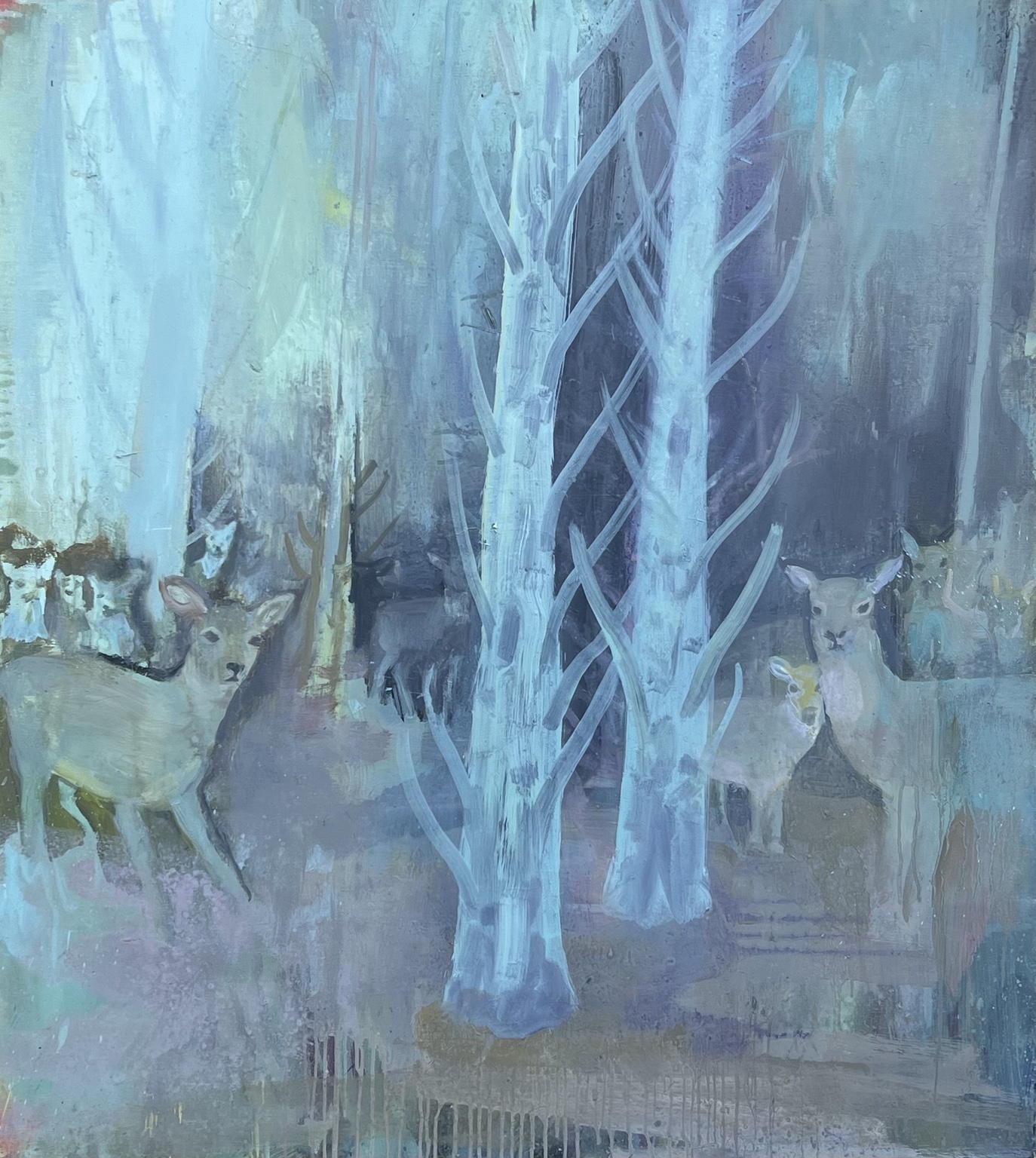
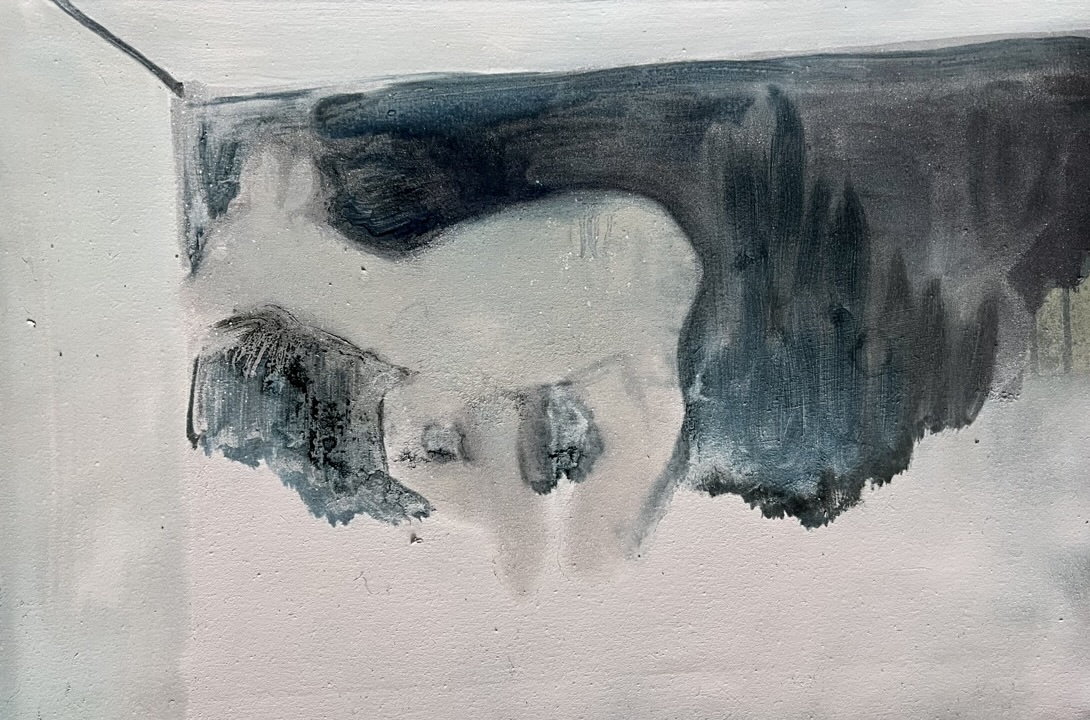
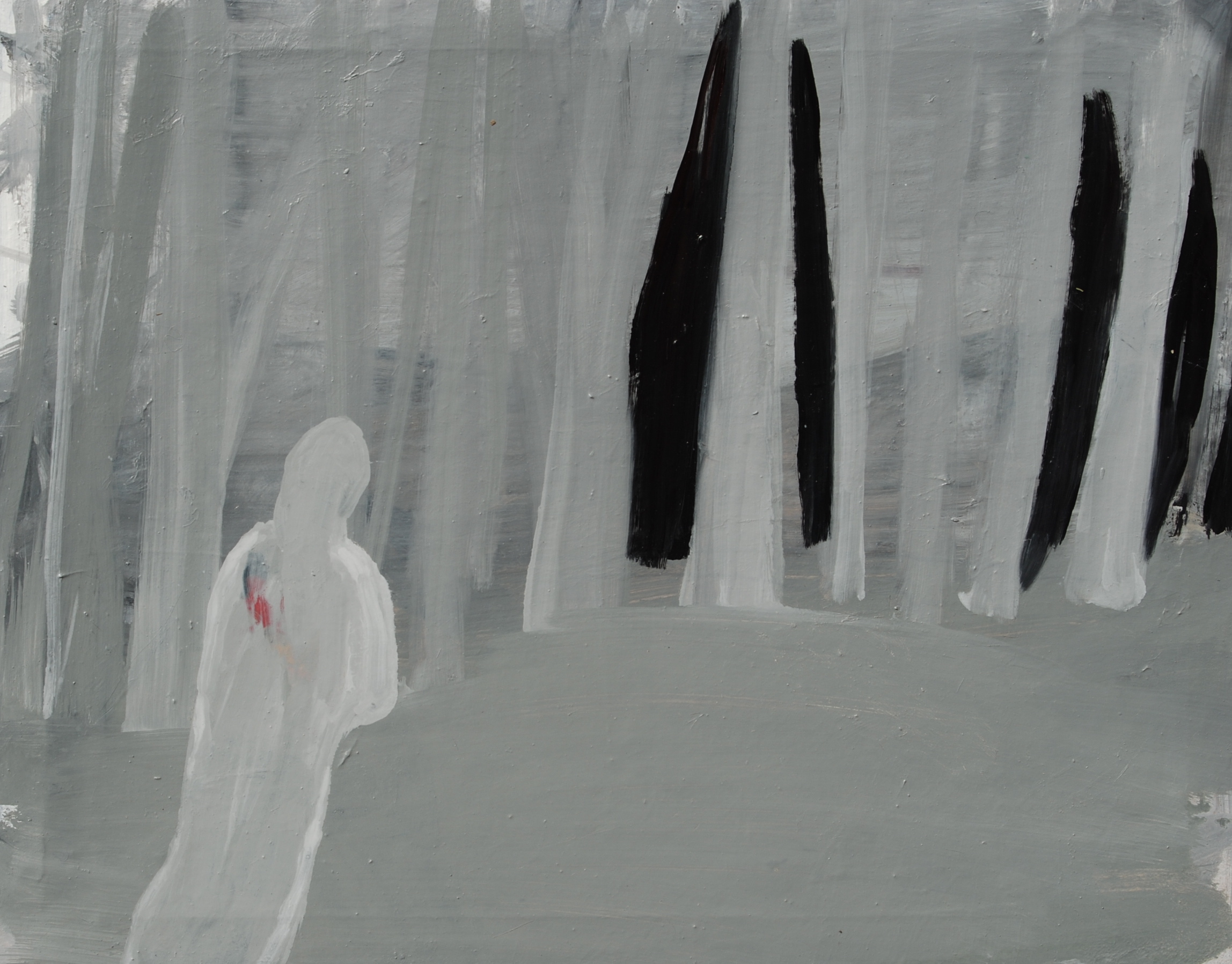
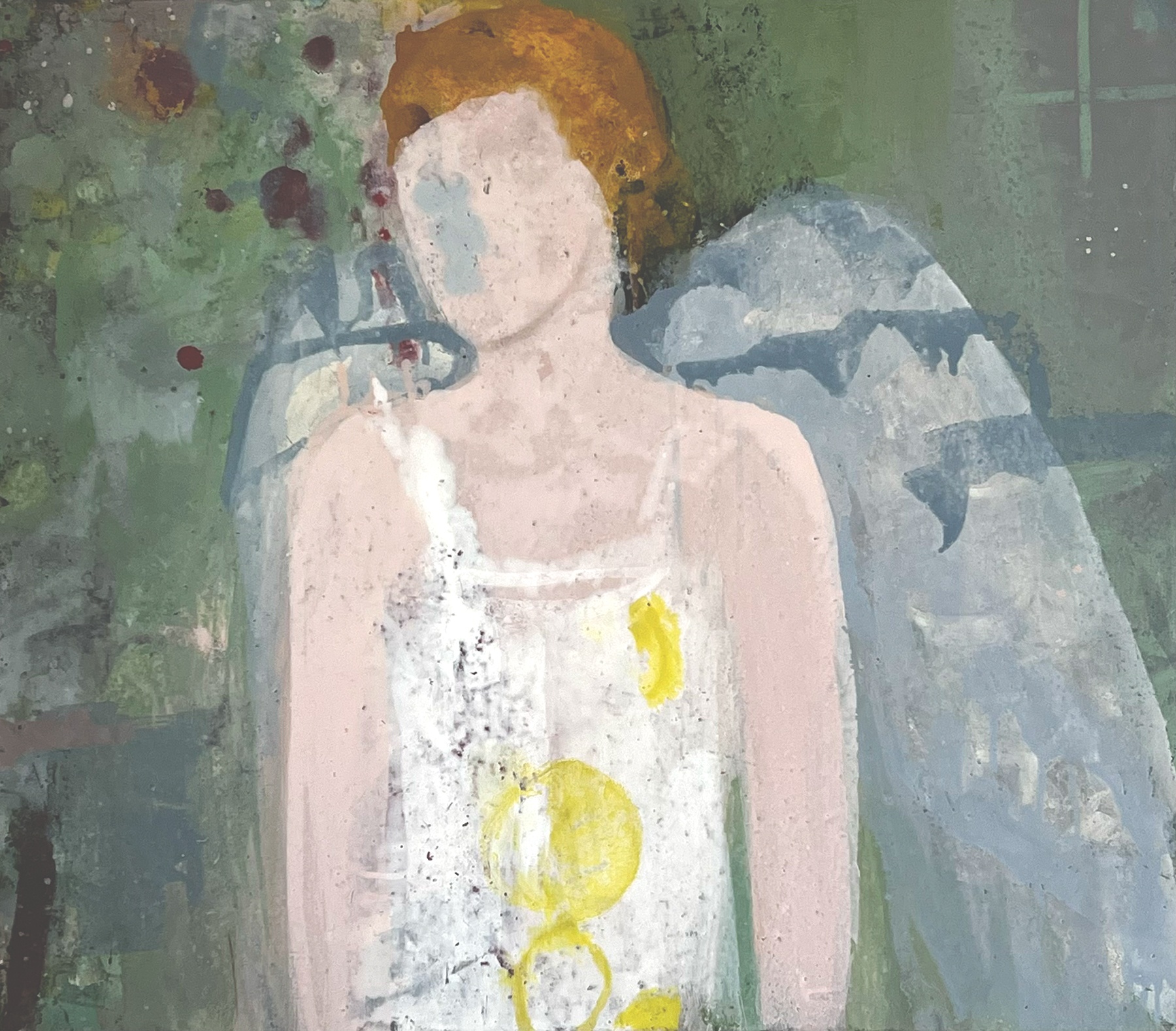
A place of transformation.
The title Le cri de Merlin goes back to C. G. Jung, who saw in the legendary figure of Merlin a connection to the unconscious, as yet unredeemed side of human nature. His cry from the forest goes uncomprehended, like a voice from a world we can sense without fully grasping it.
Pictures can let different realities exist side by side. Colour itself can become the bearer of a reality.
Journal
A Visit to C. G. Jung’s House
Symbols in C. G. Jung’s Work
Susanne Husemann · 2020
Drama therapy thesis
A journey through C. G. Jung’s house in Küsnacht and the tower at Bollingen. On symbols, the unconscious and transformation, and what they mean for my artistic work.
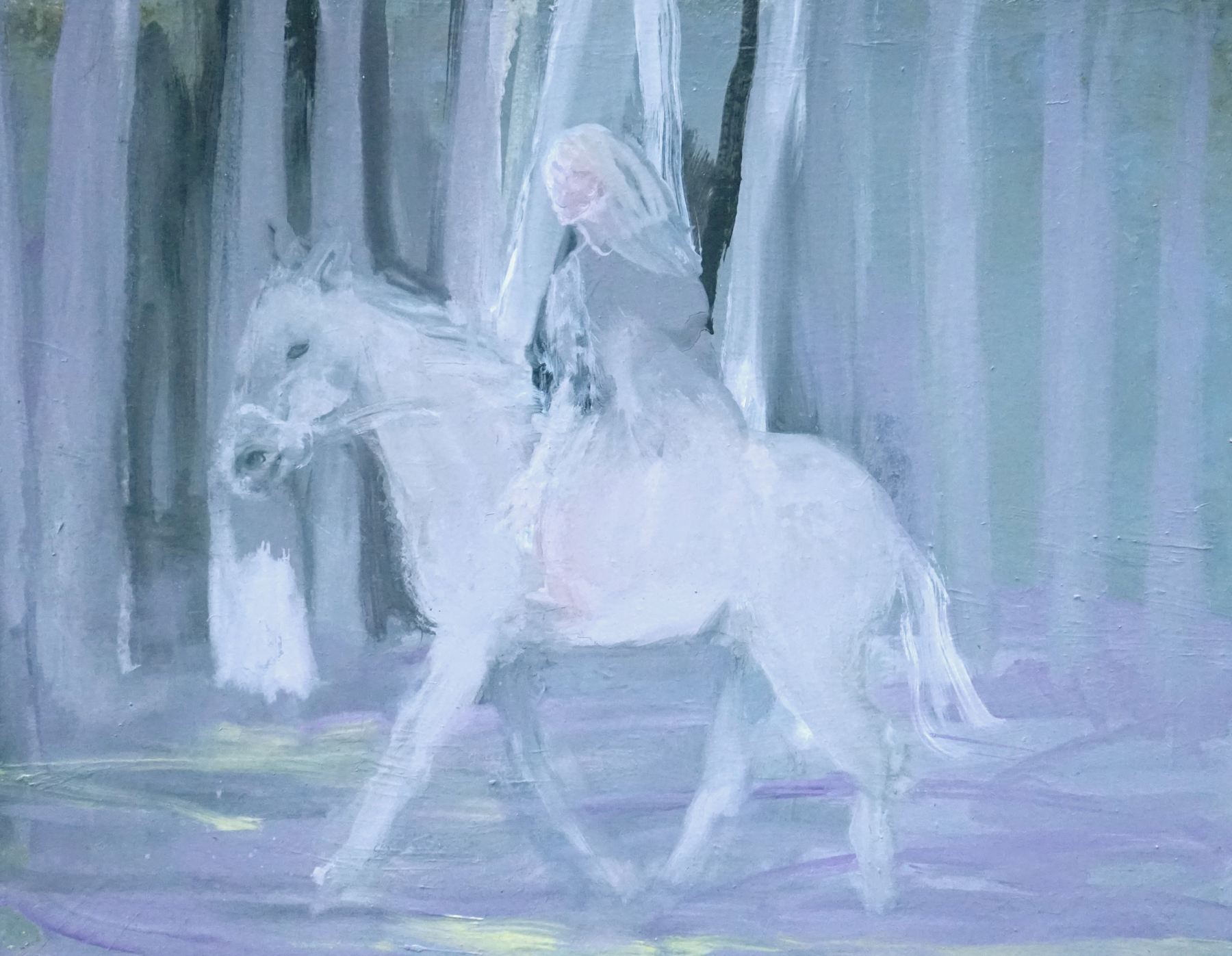
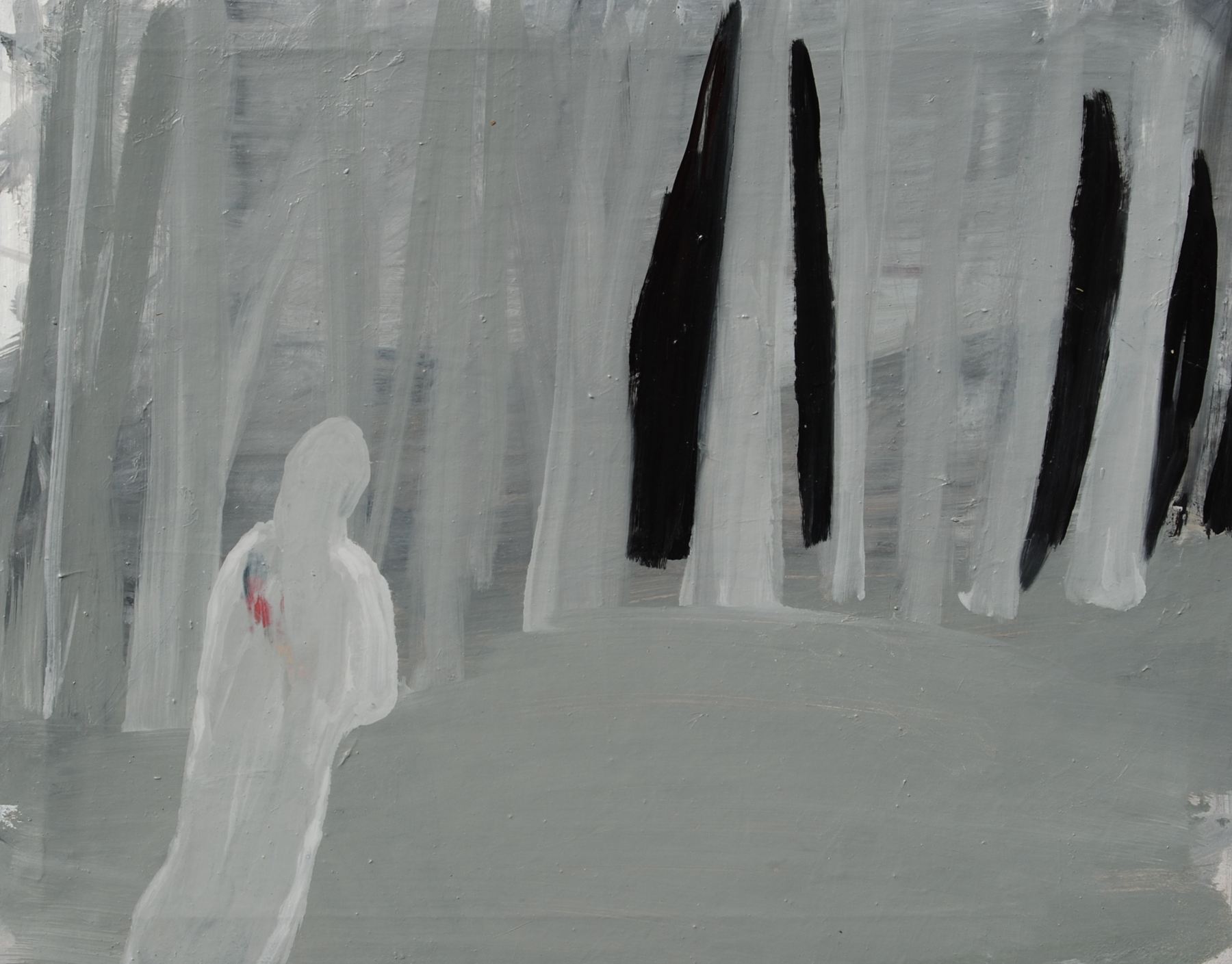
Watercolour · DisObey
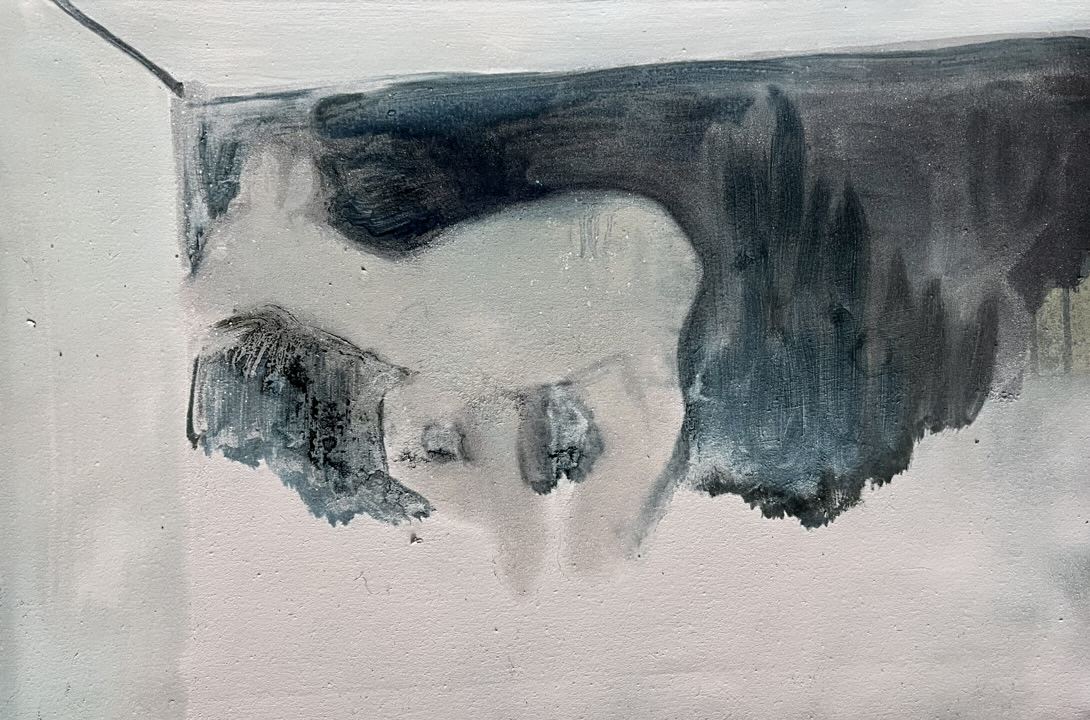
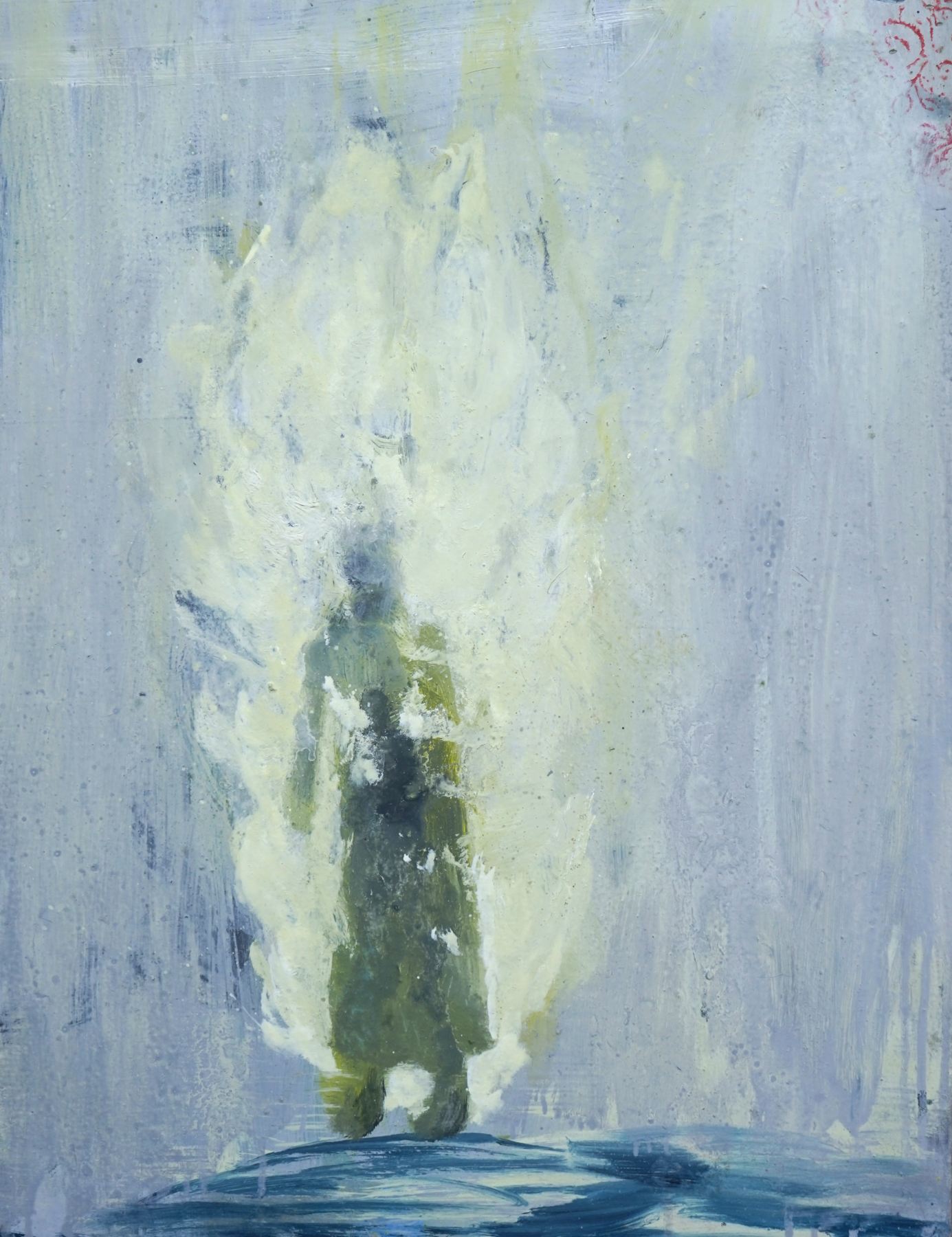
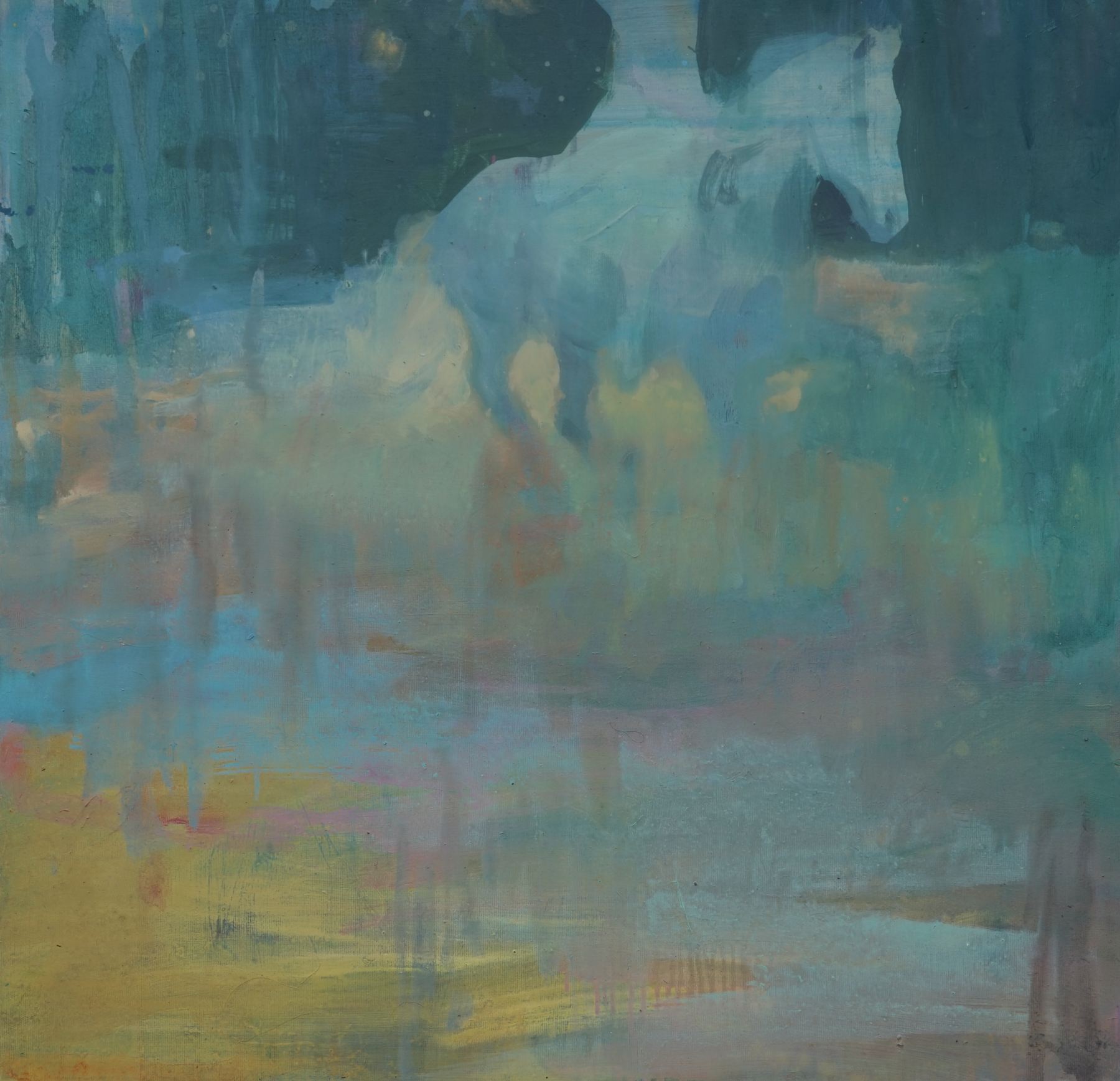
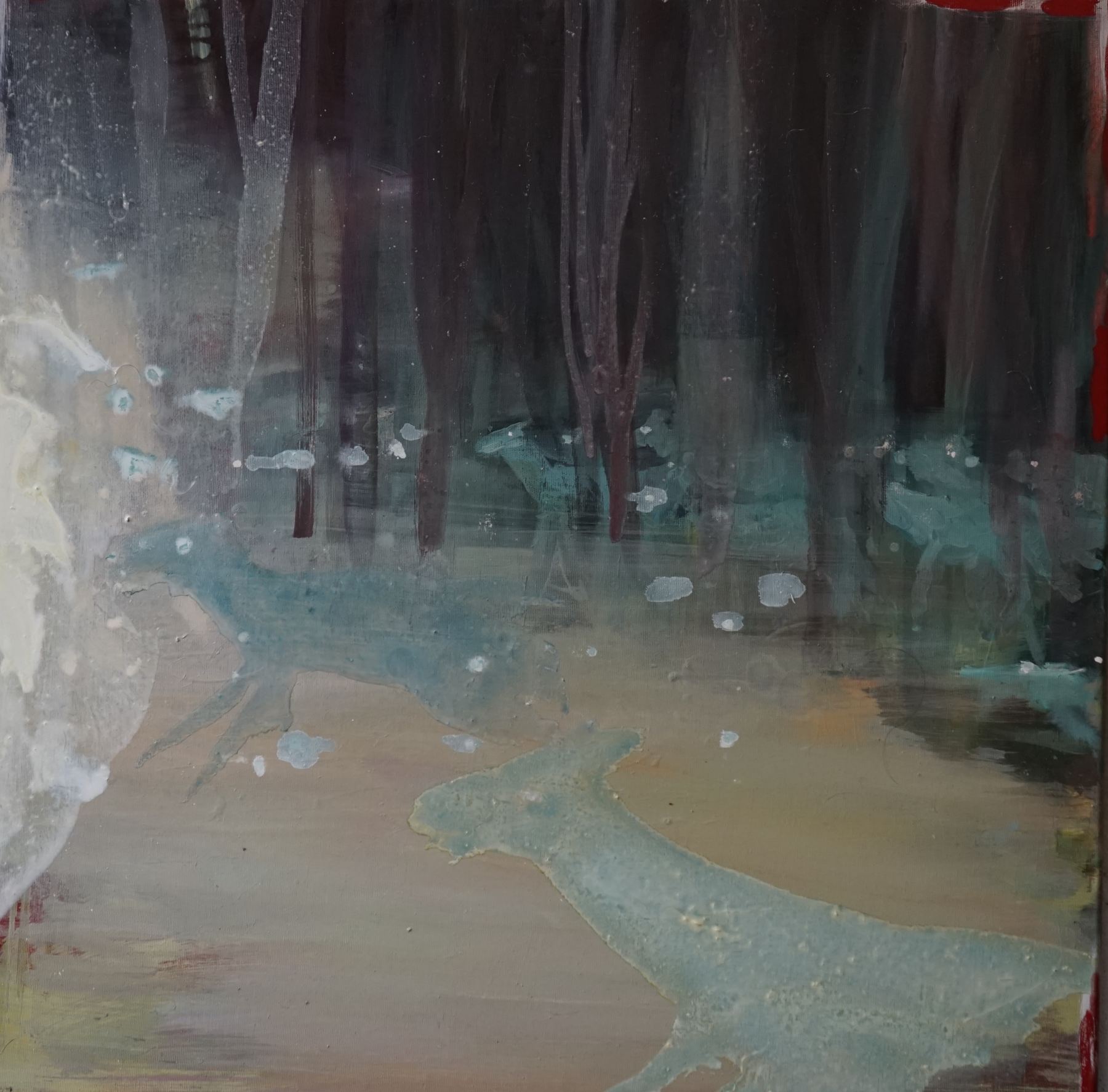
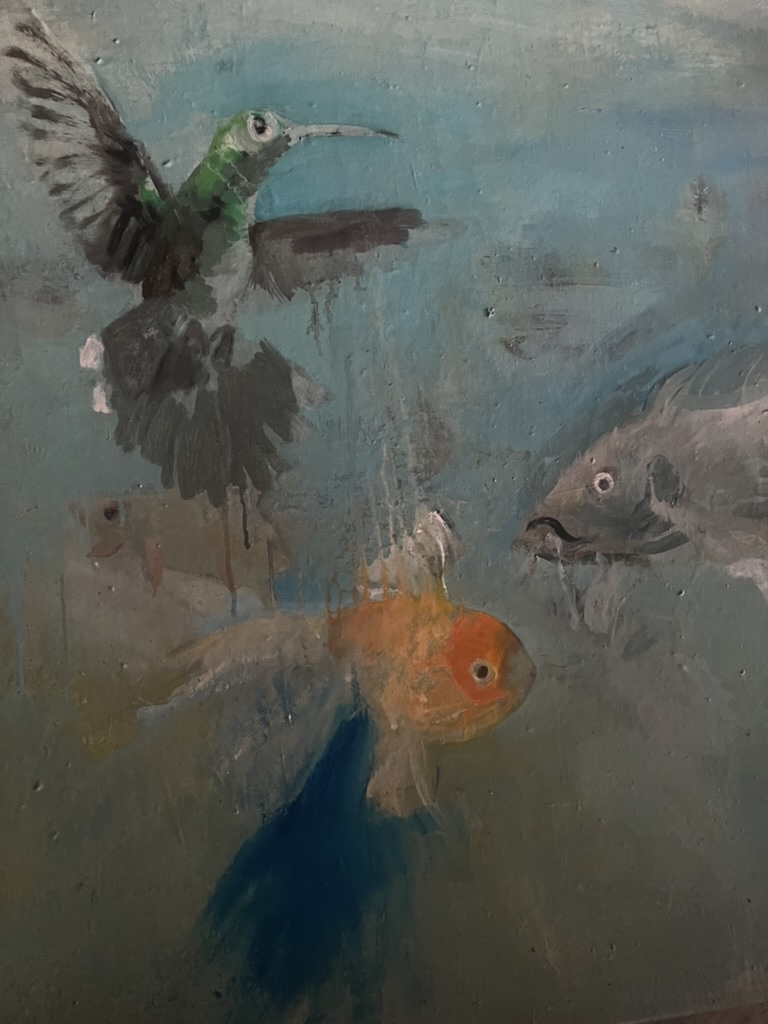
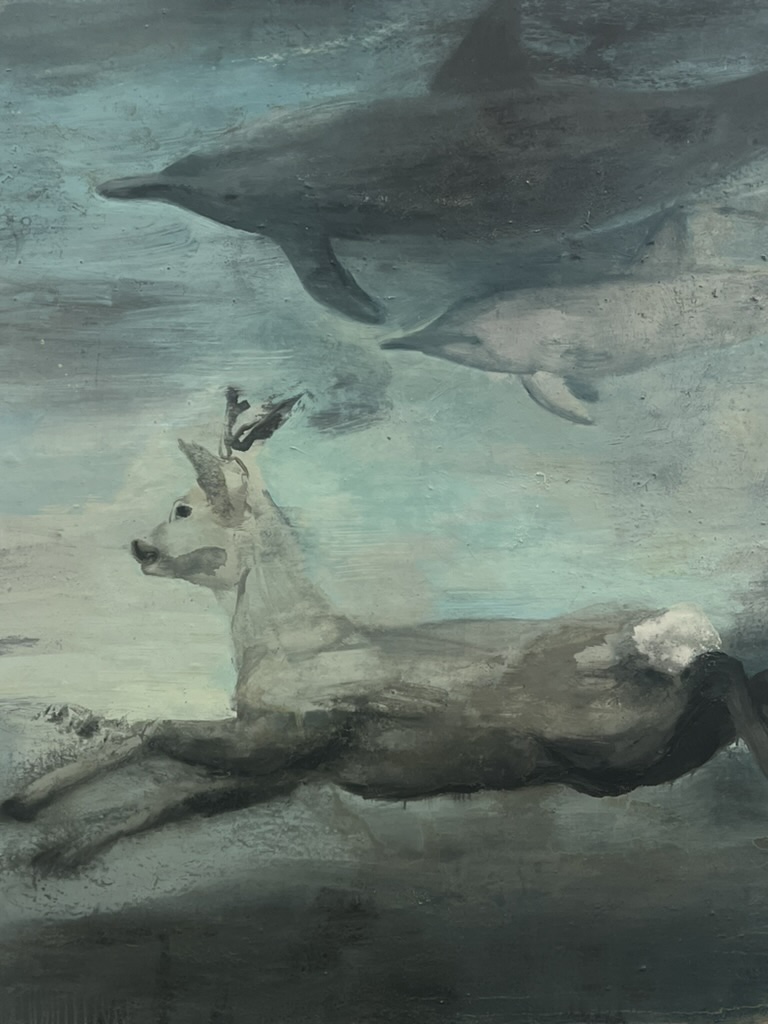
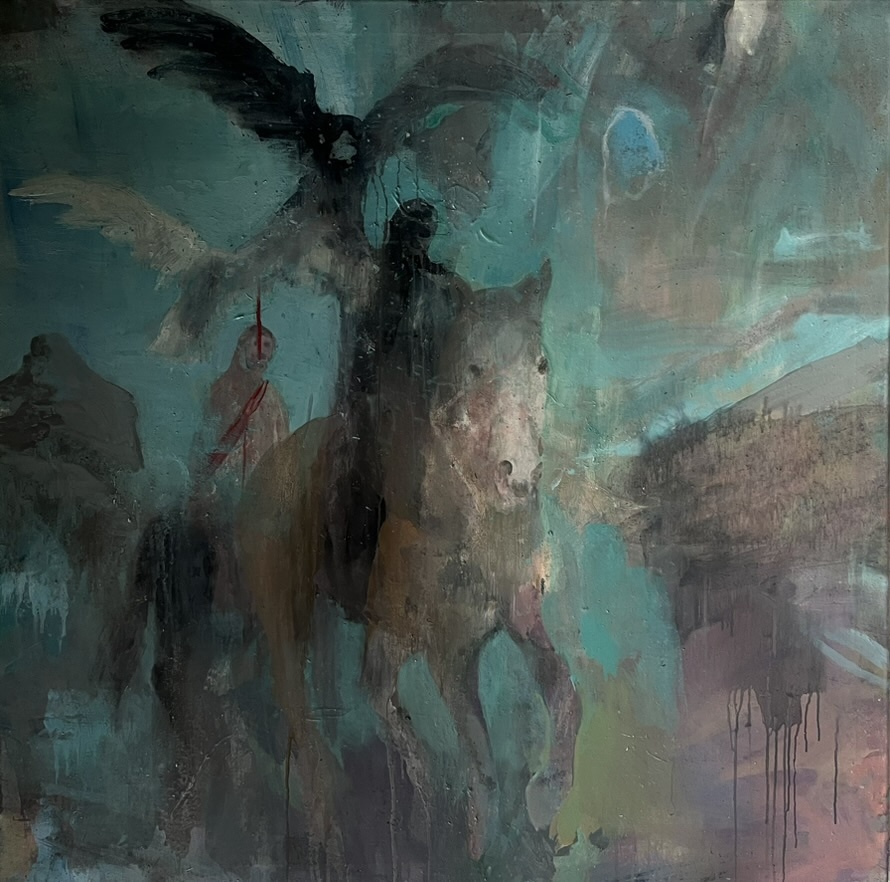
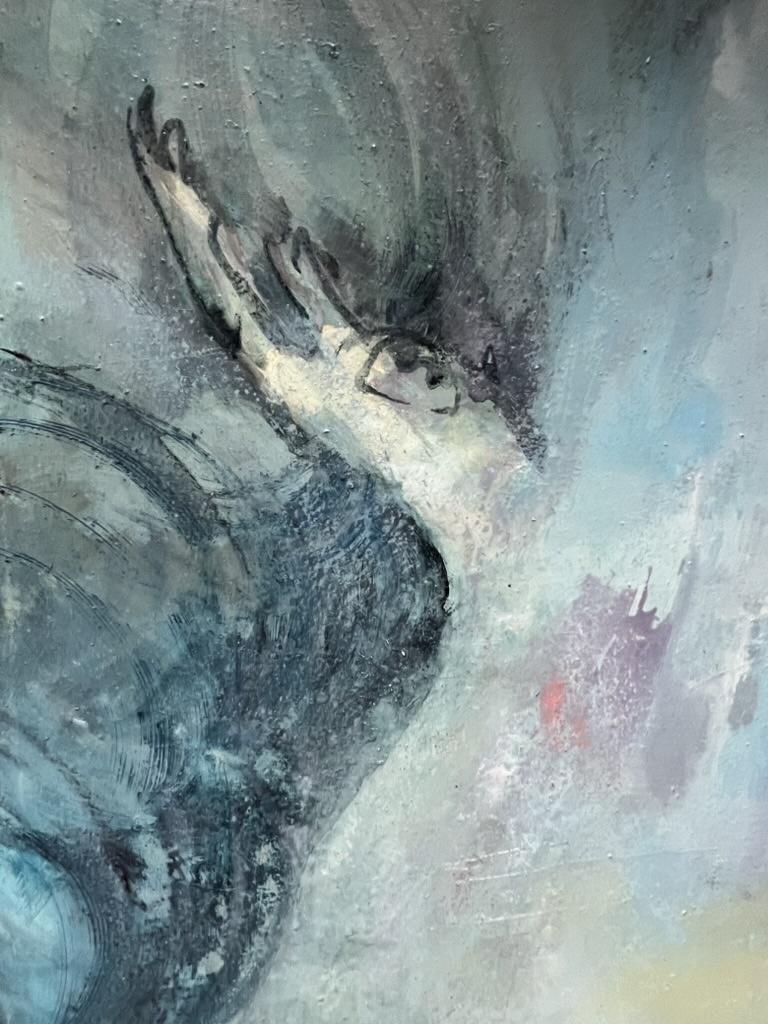
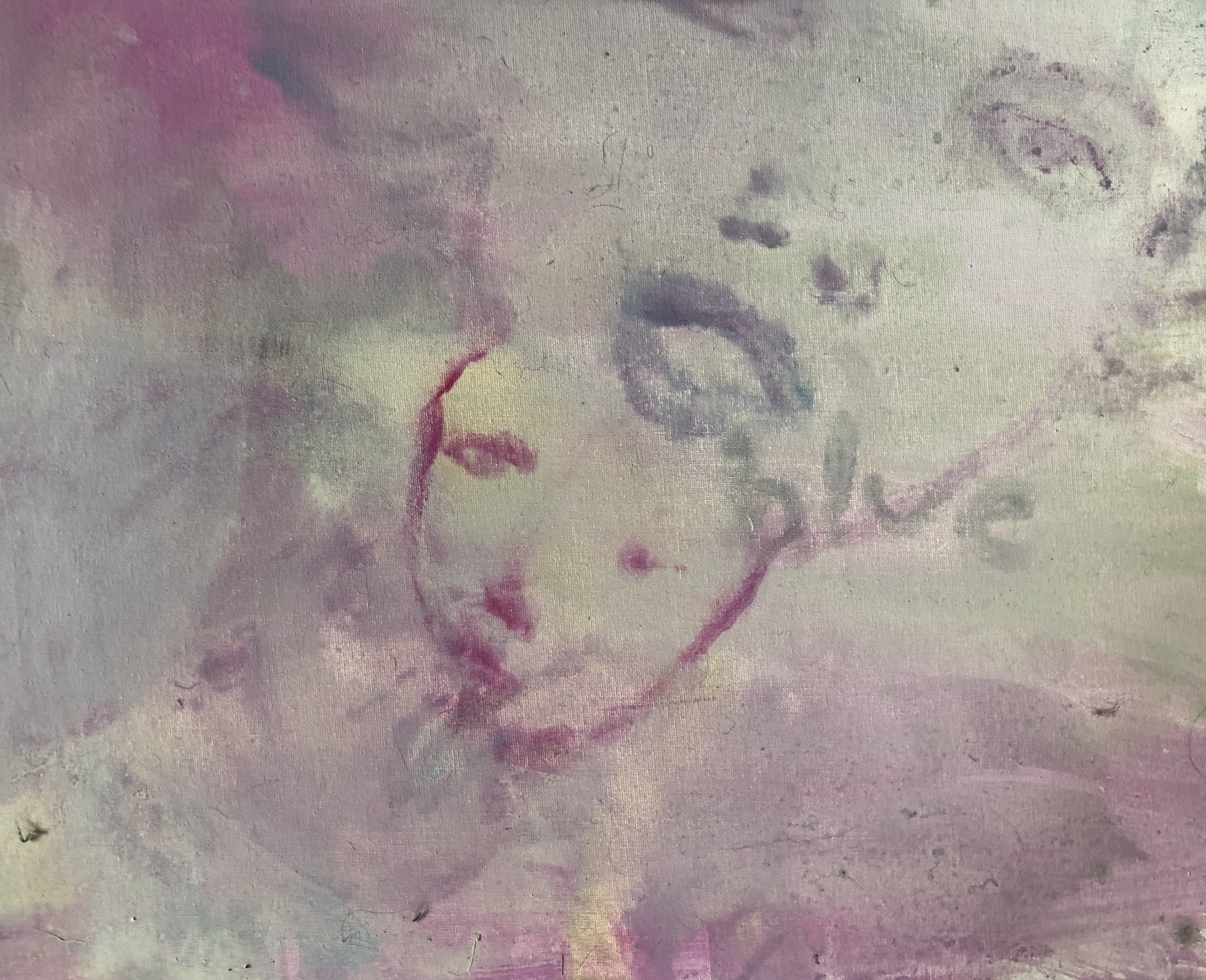
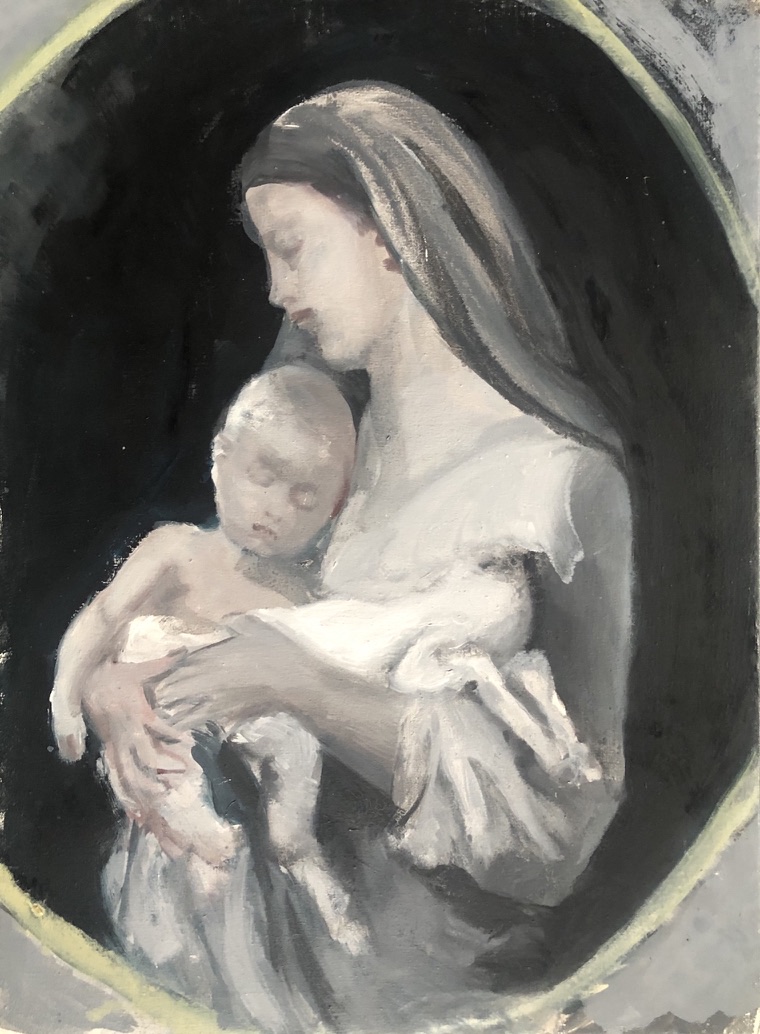
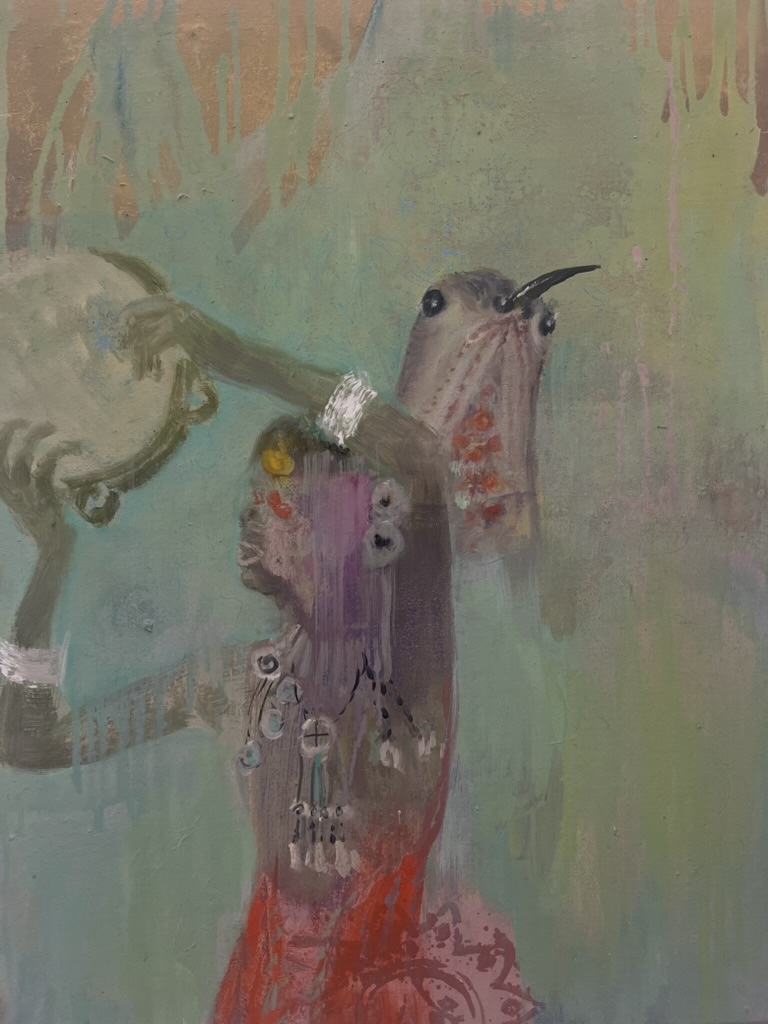
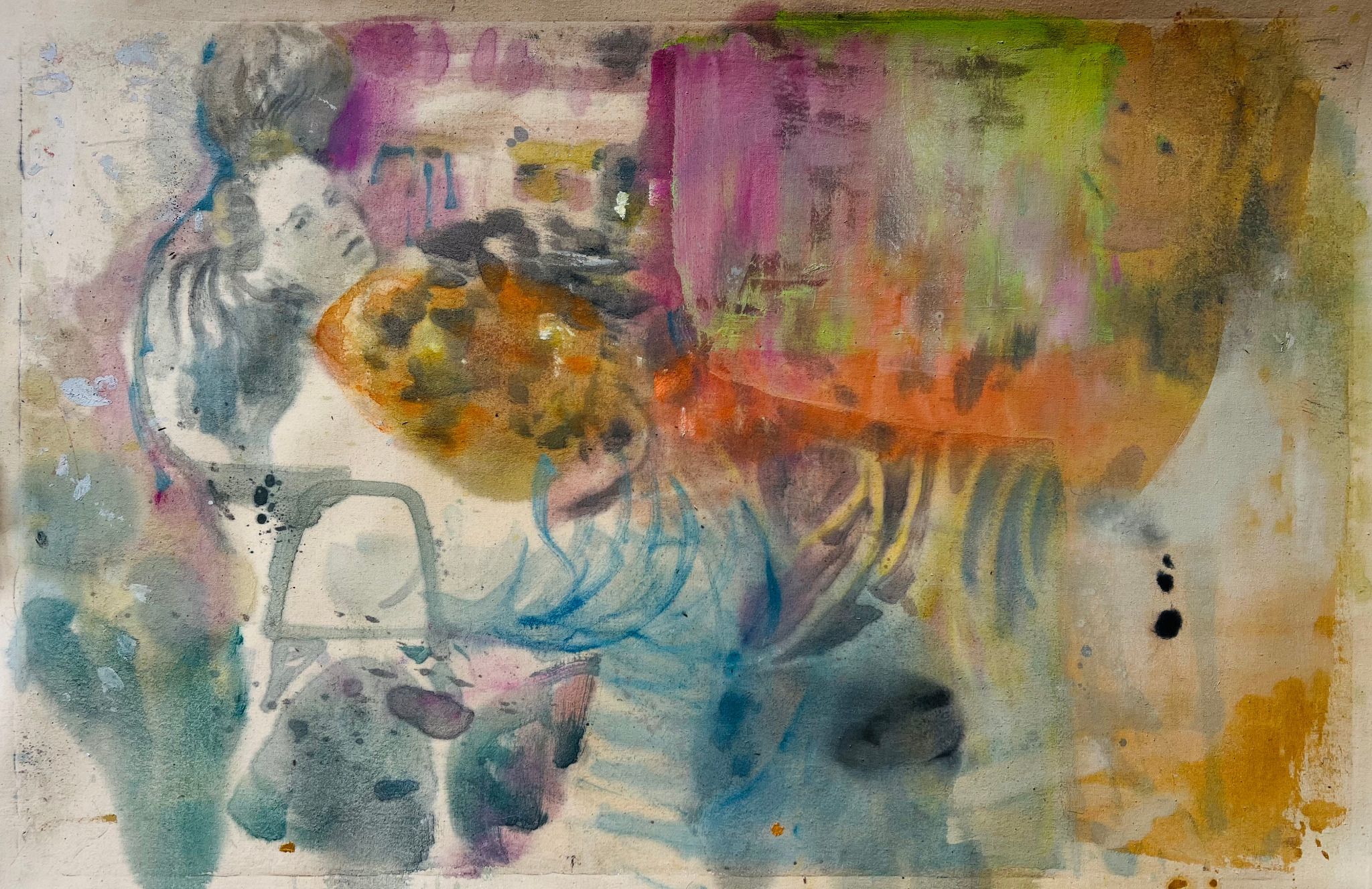
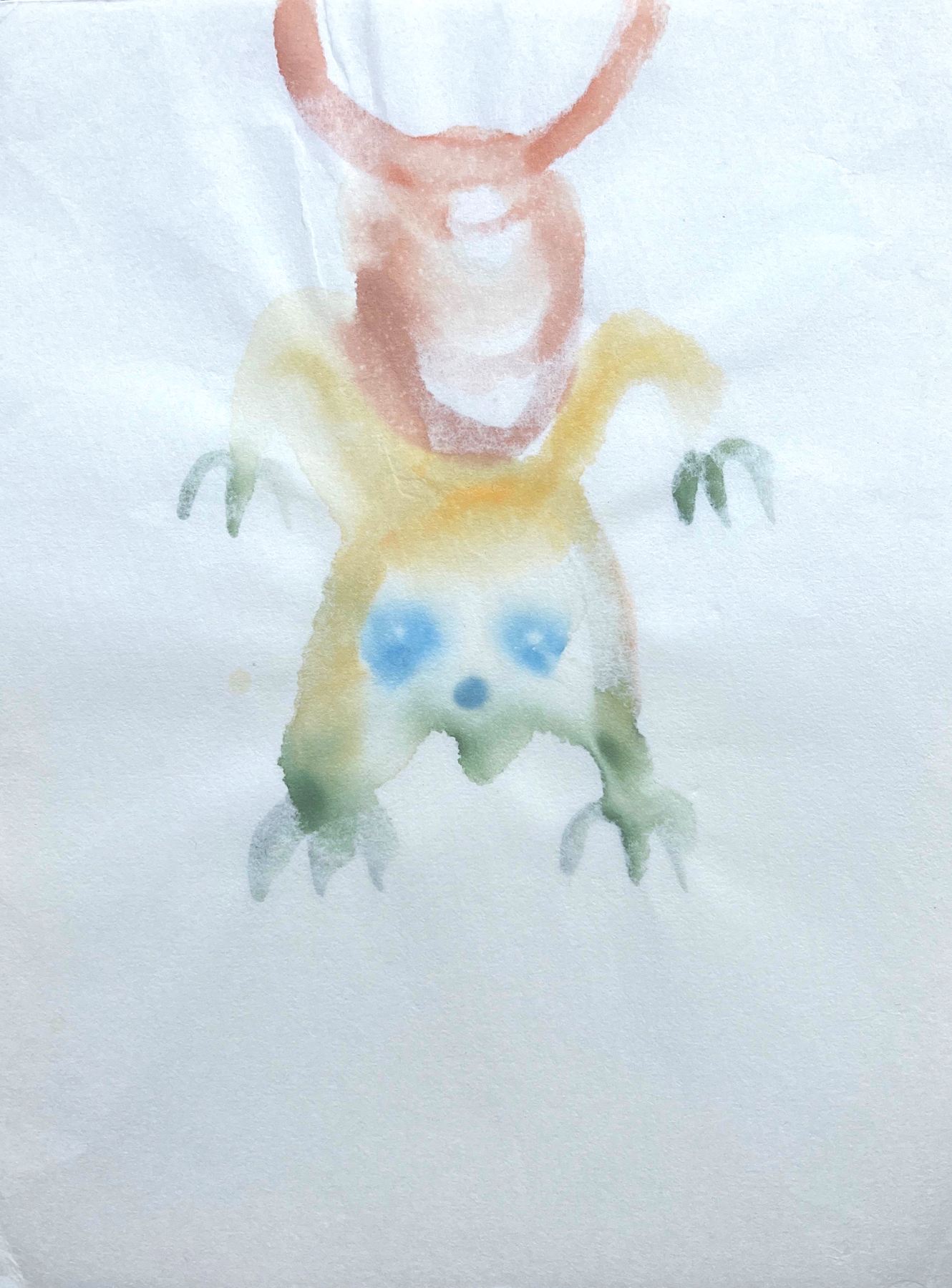
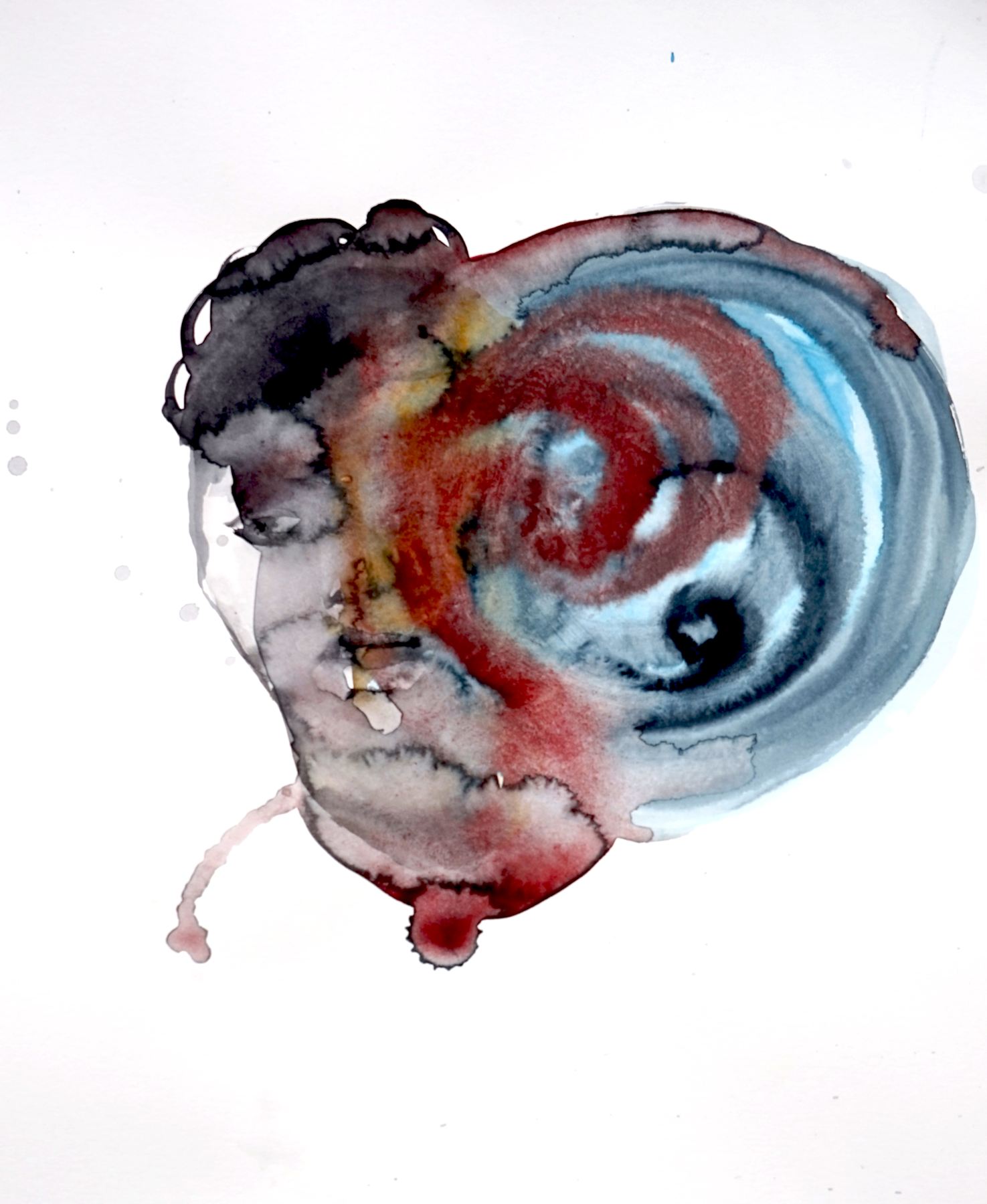
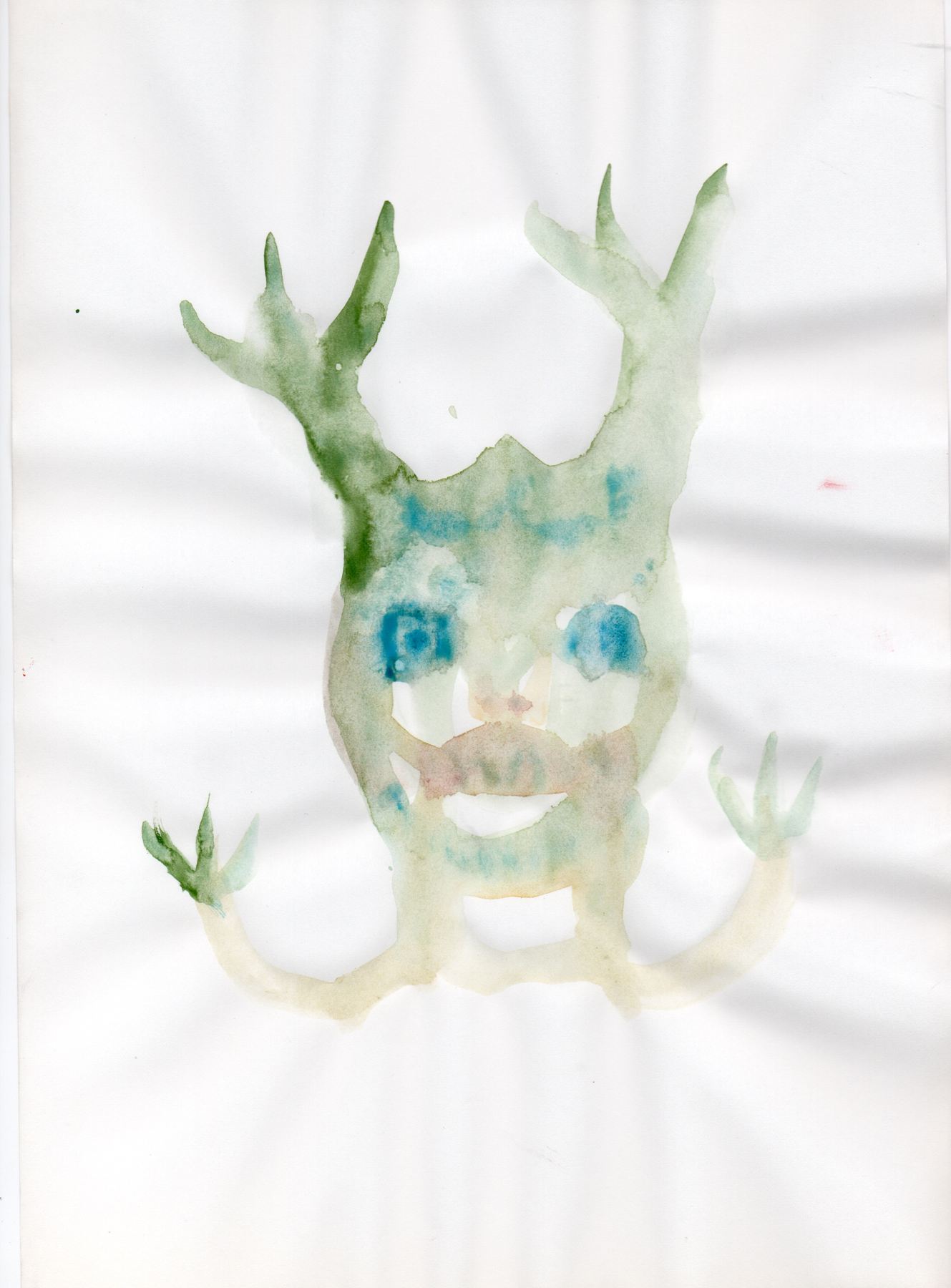
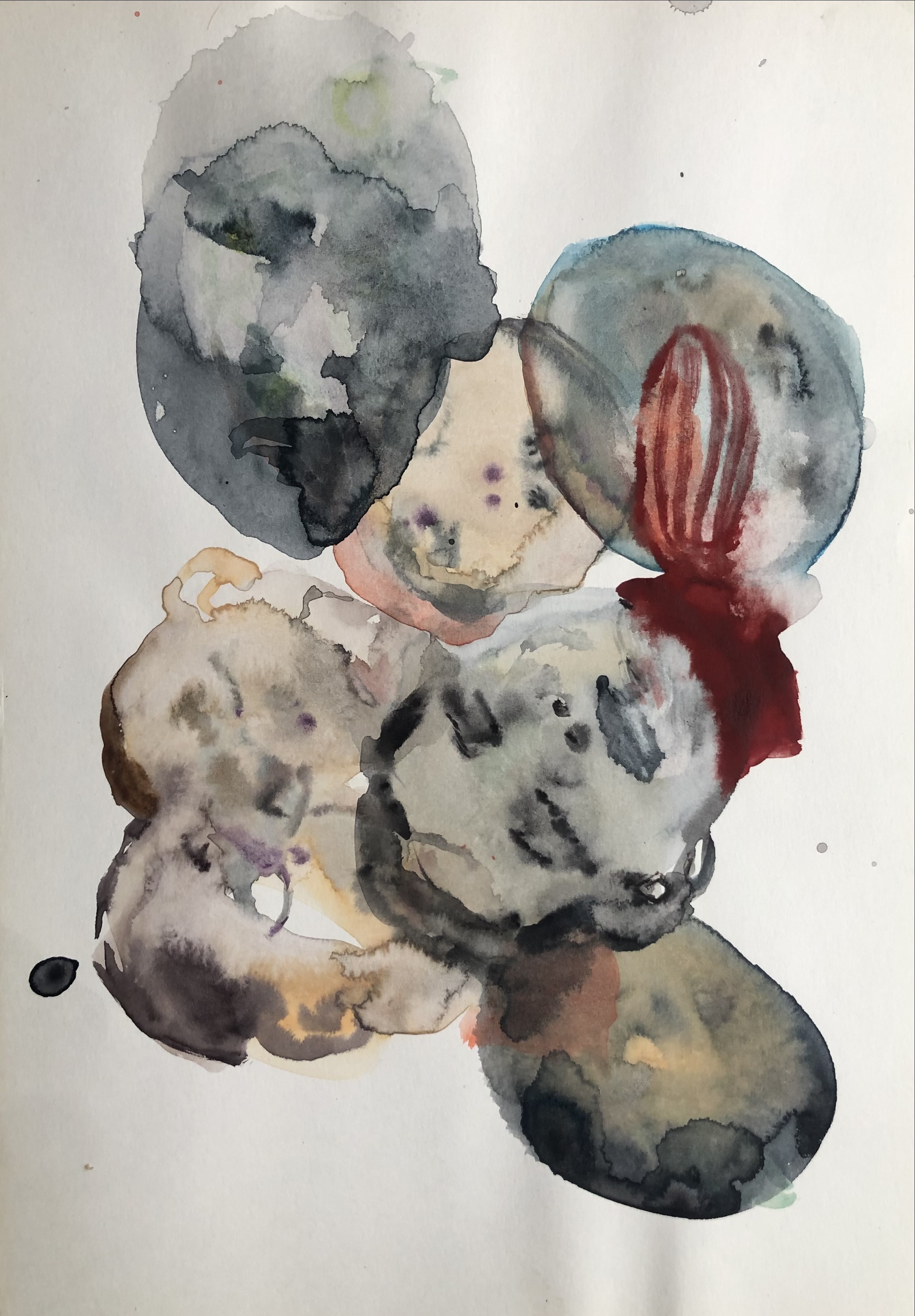
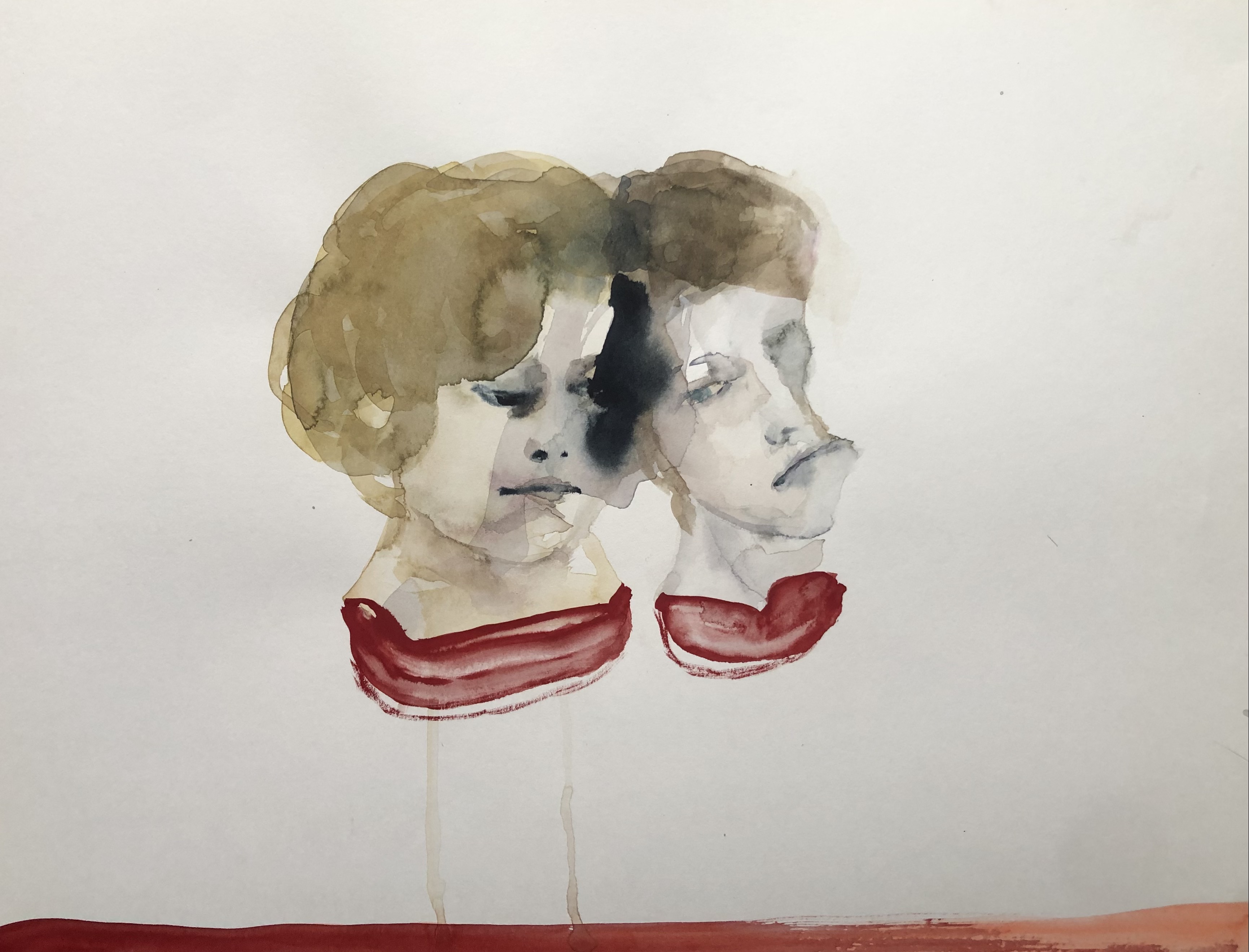
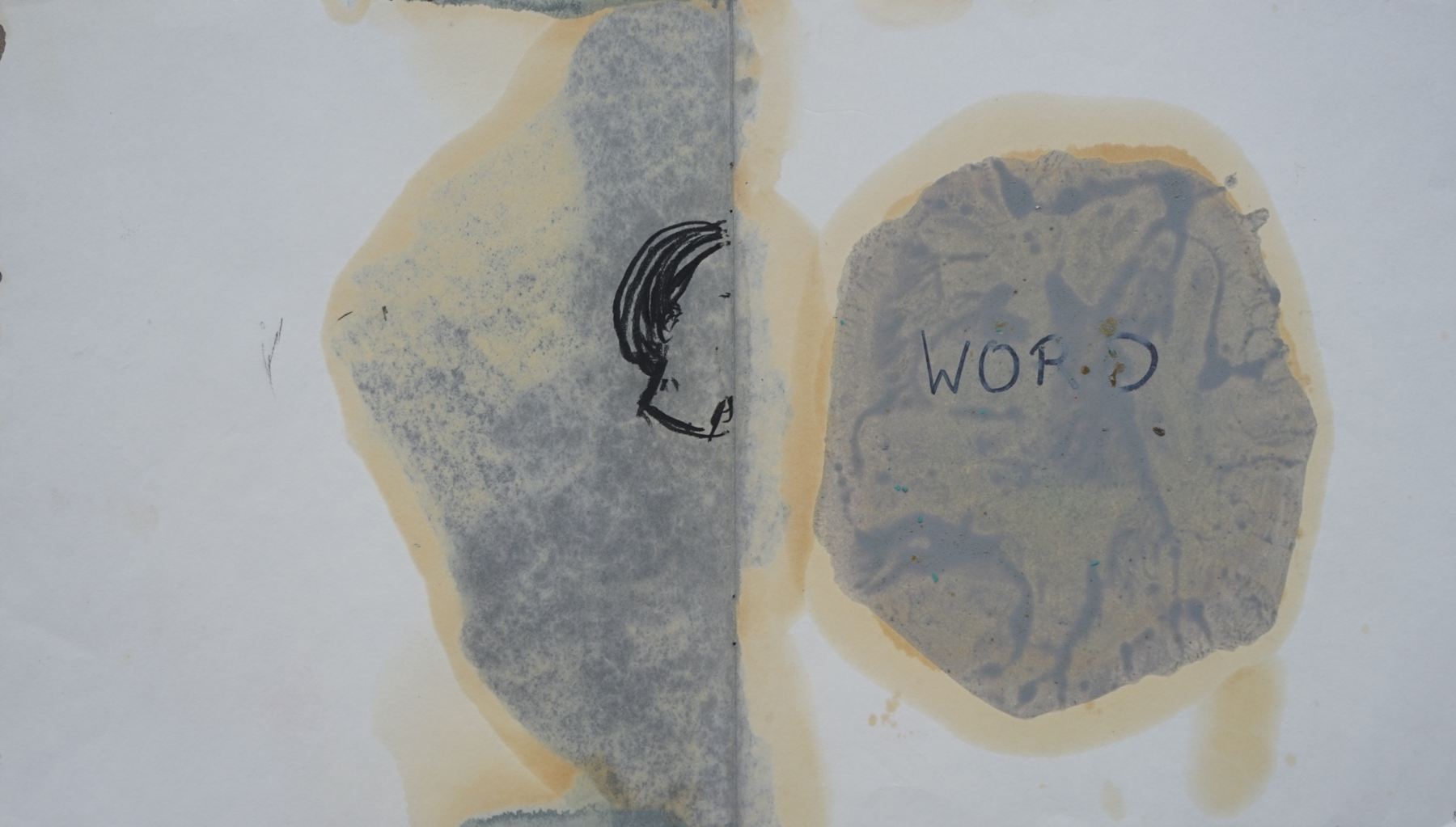
I follow my intuition, develop figures and give colour room to act on its own. What comes from my will, what from caprice, what from intuition? Figures emerge, sometimes familiar, as though they were archetypes.
Journal
Transformations
Some of the watercolours share themes with Le cri de Merlin.
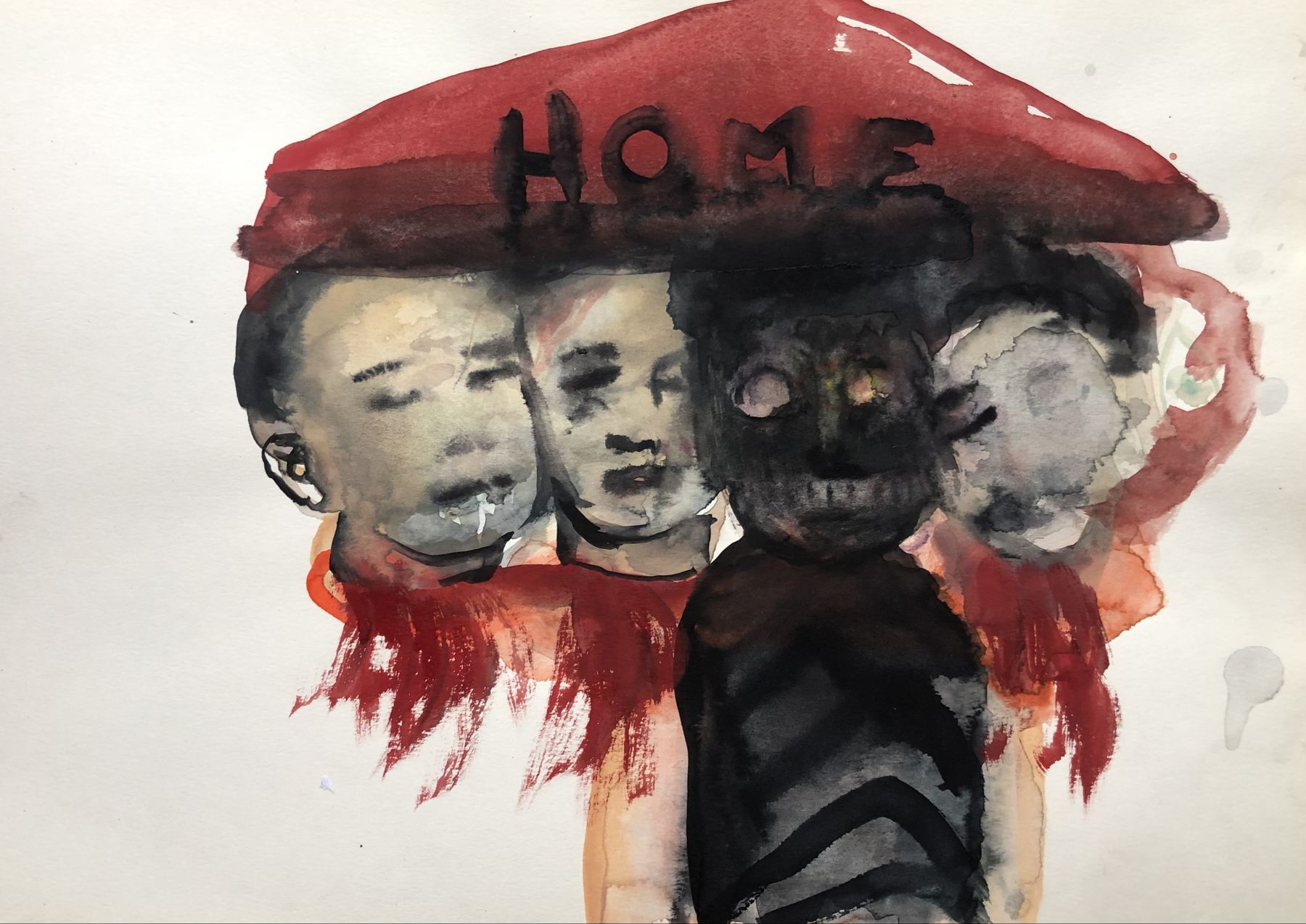
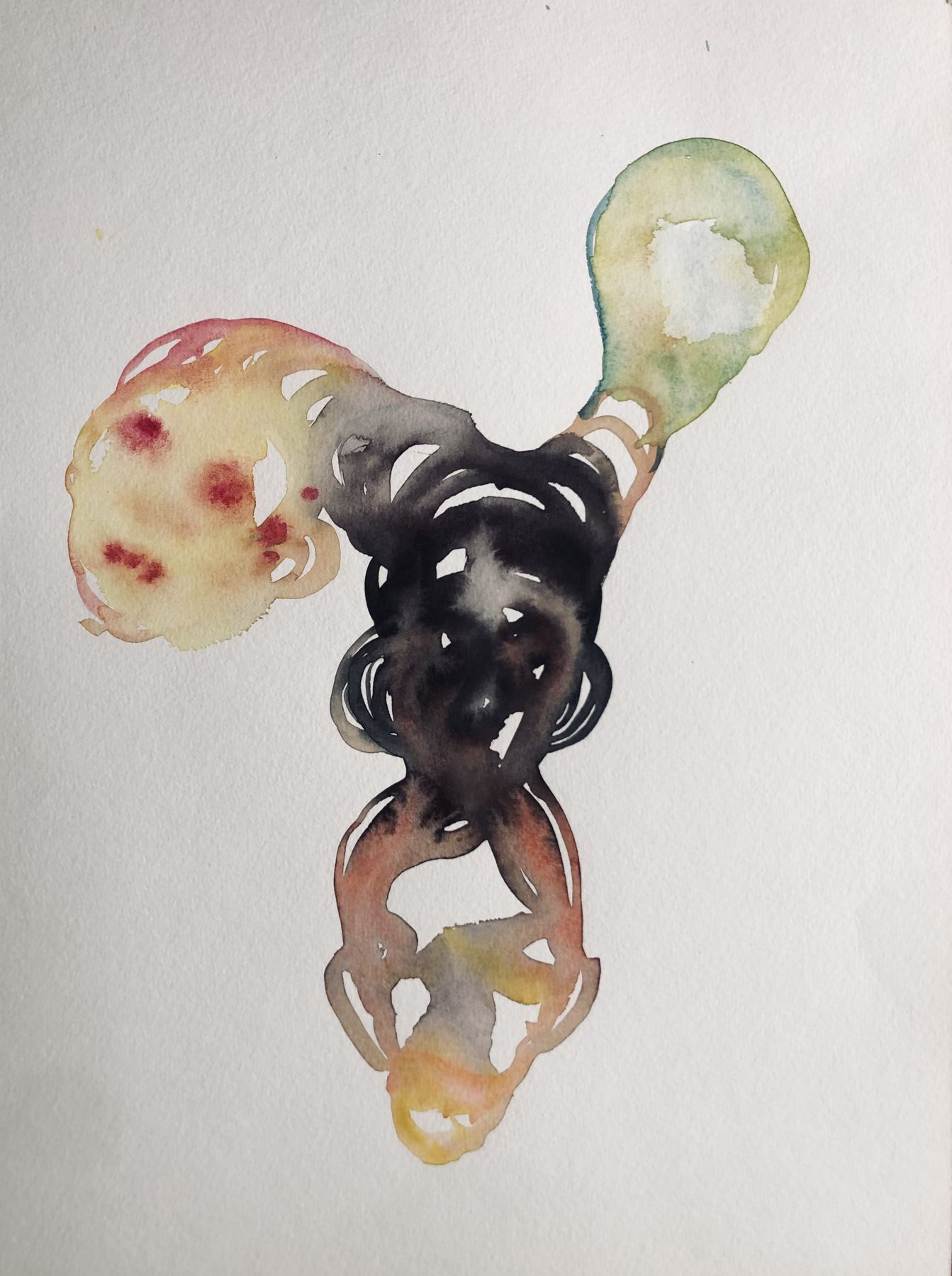
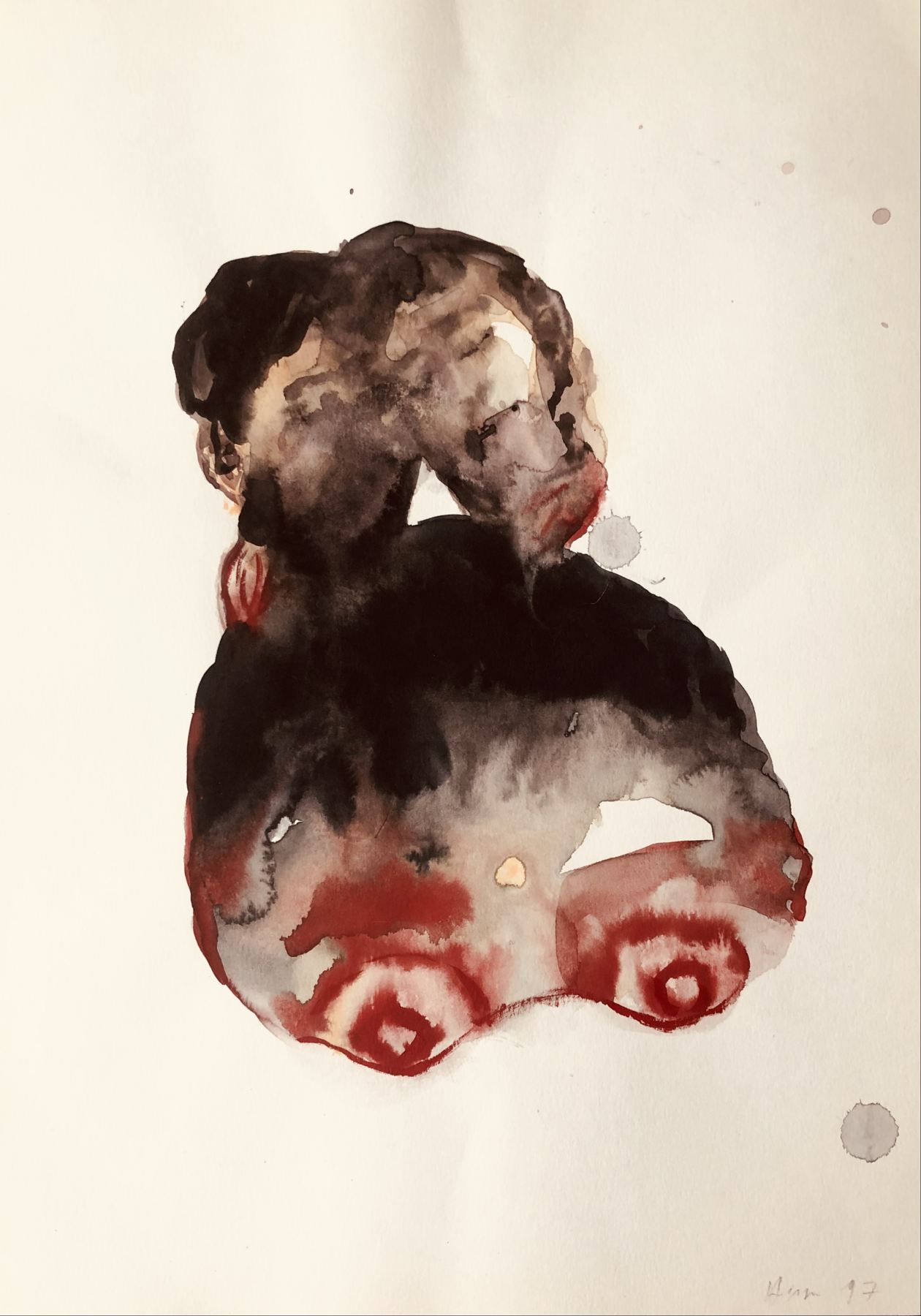
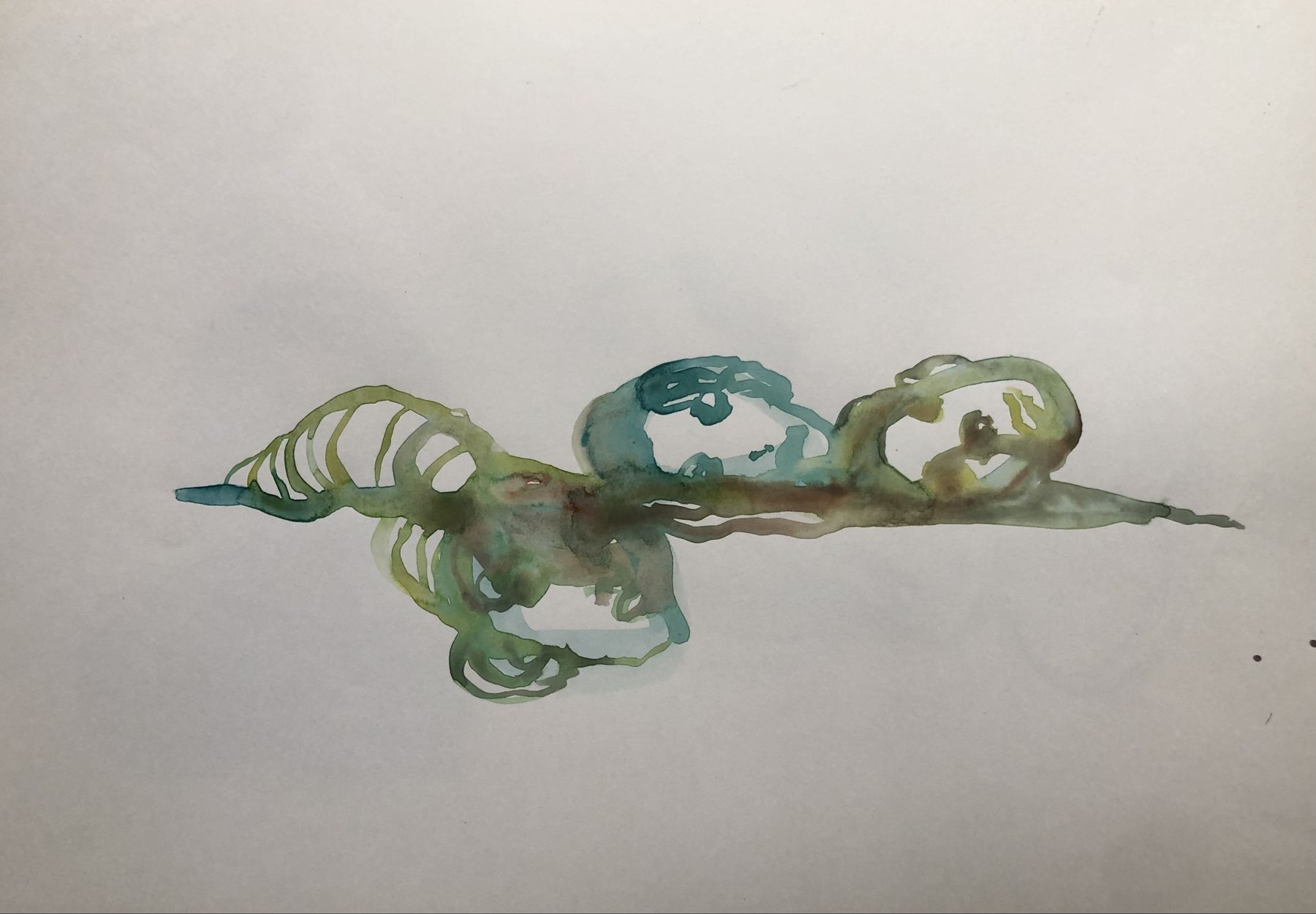
Drawings
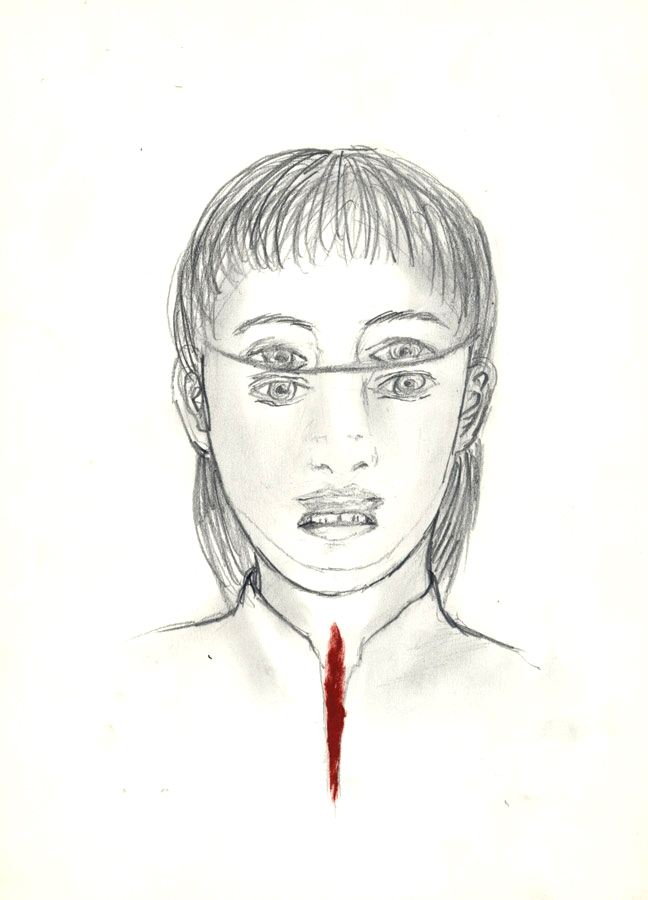
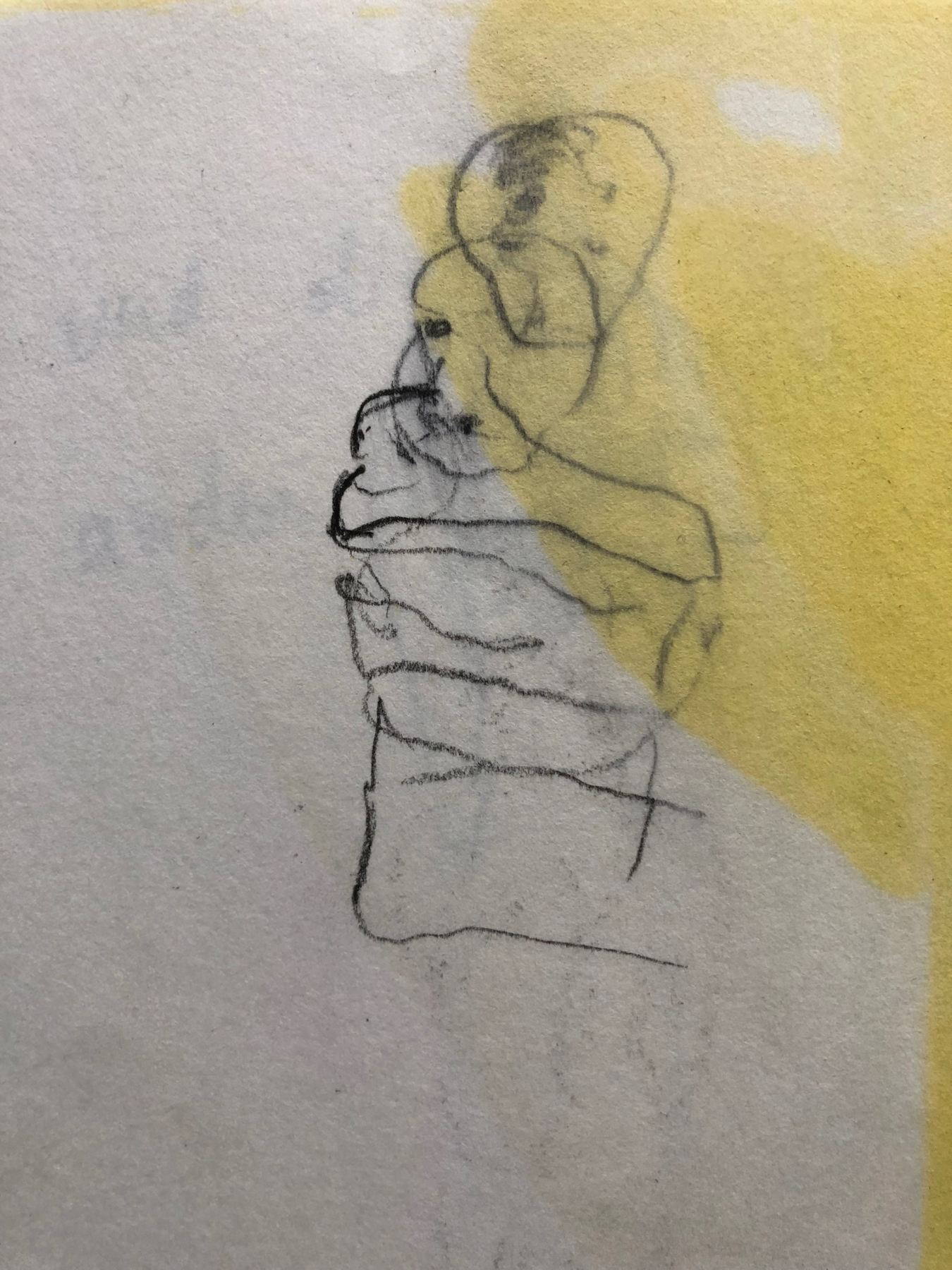
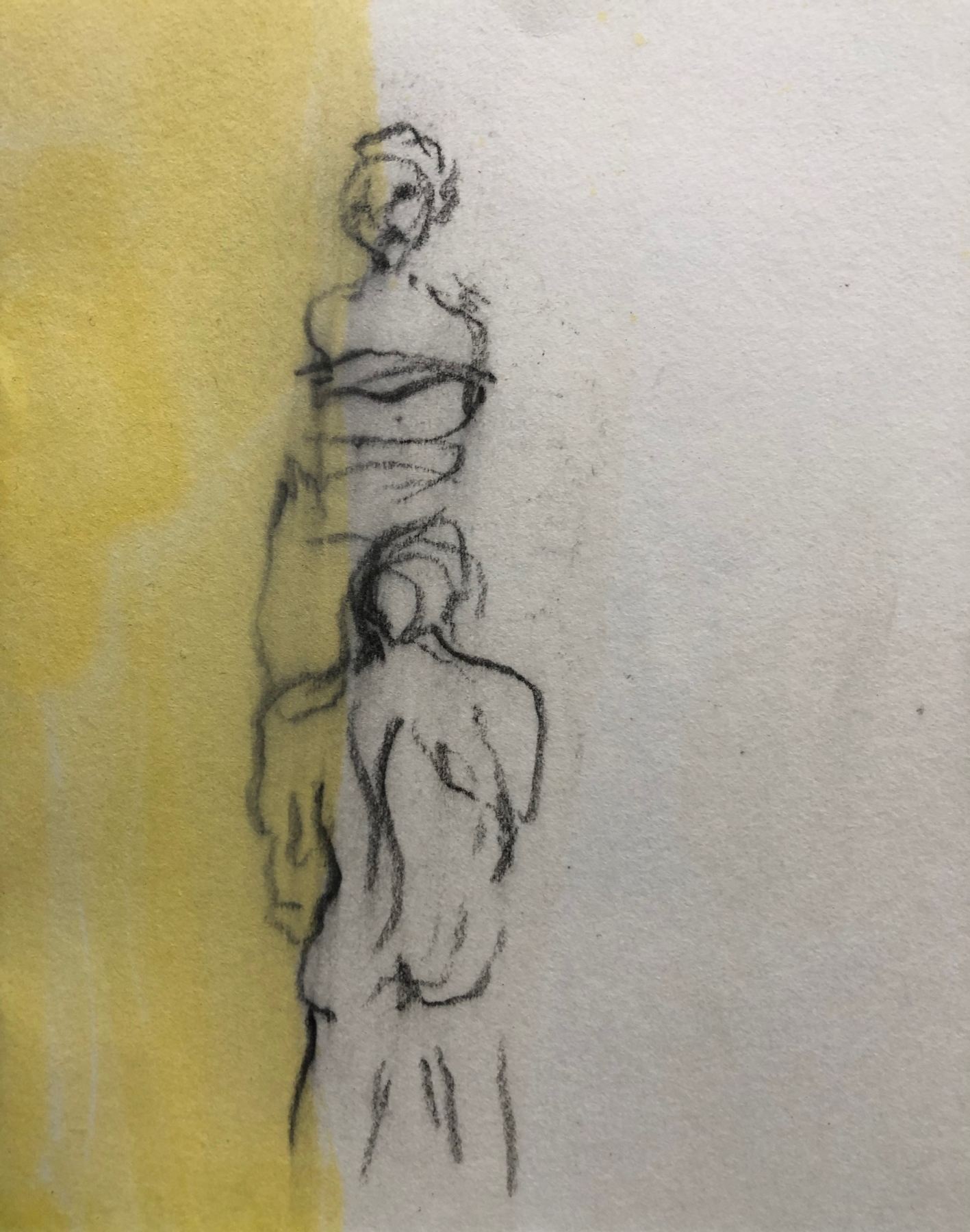
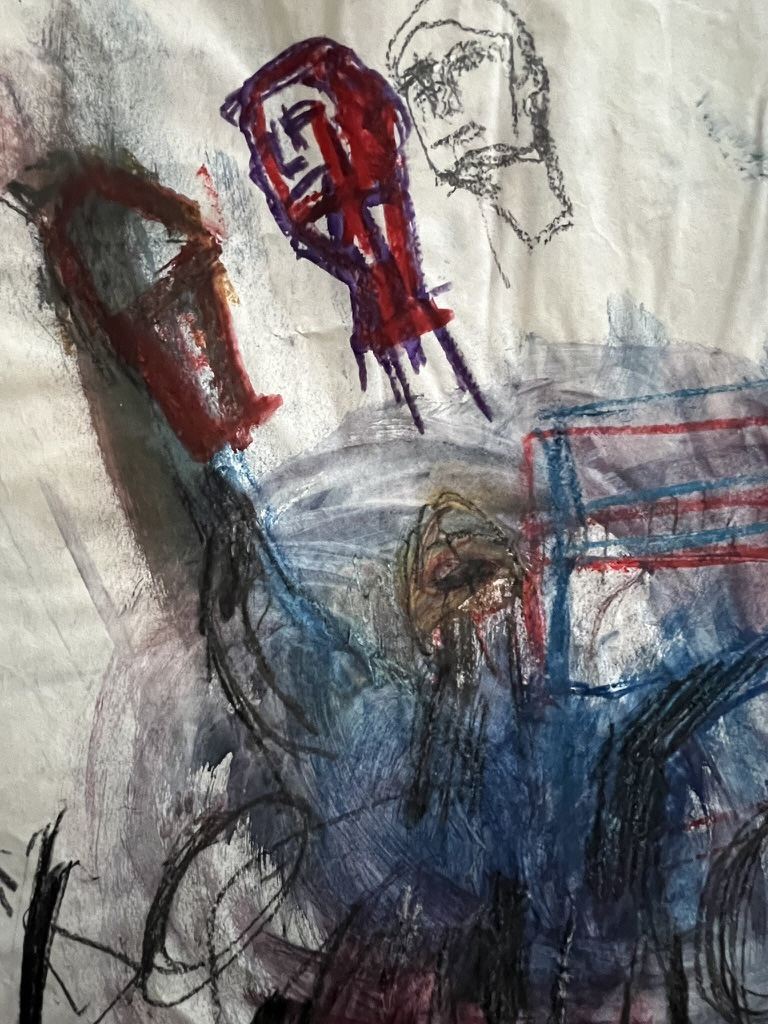
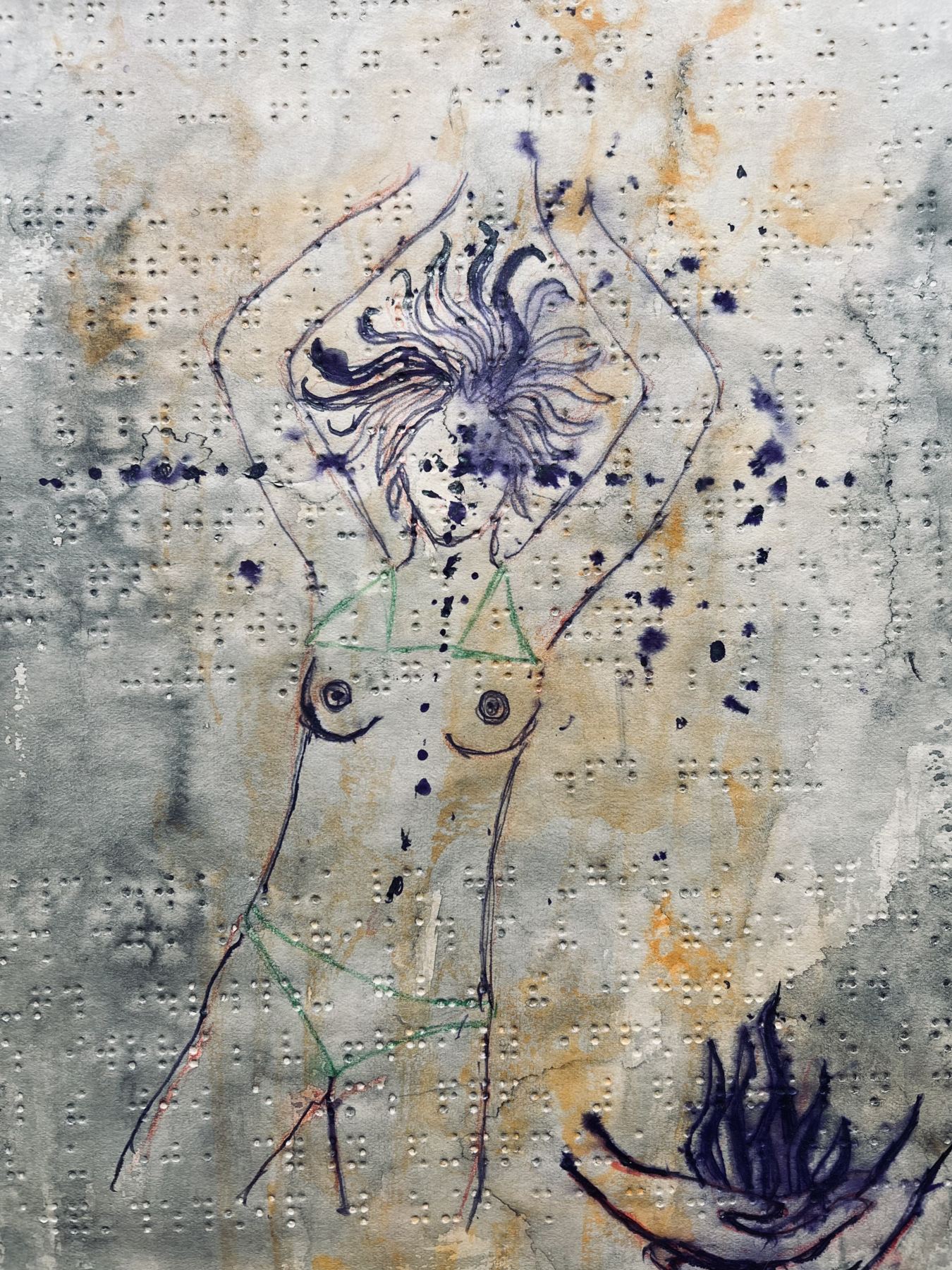
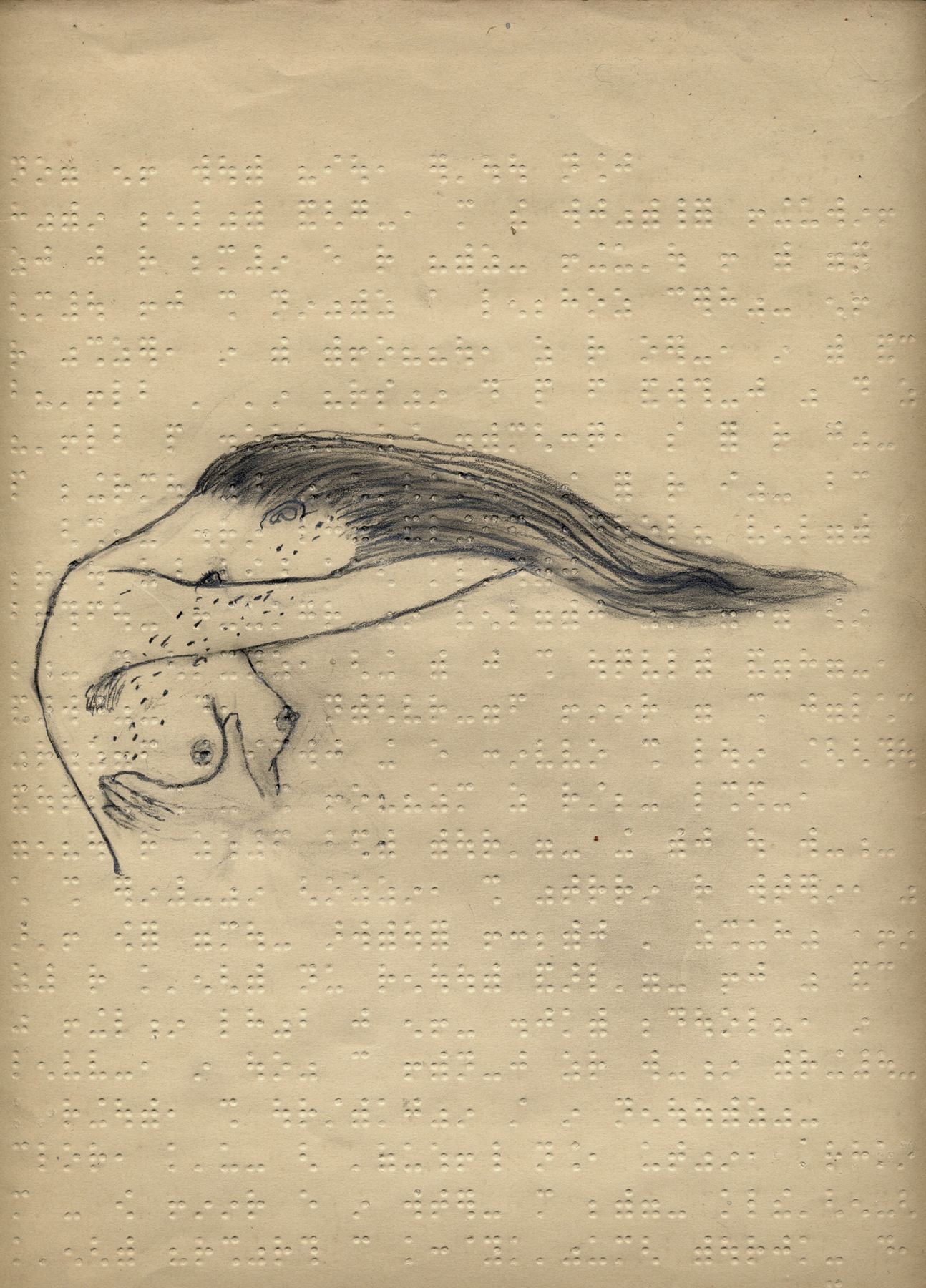
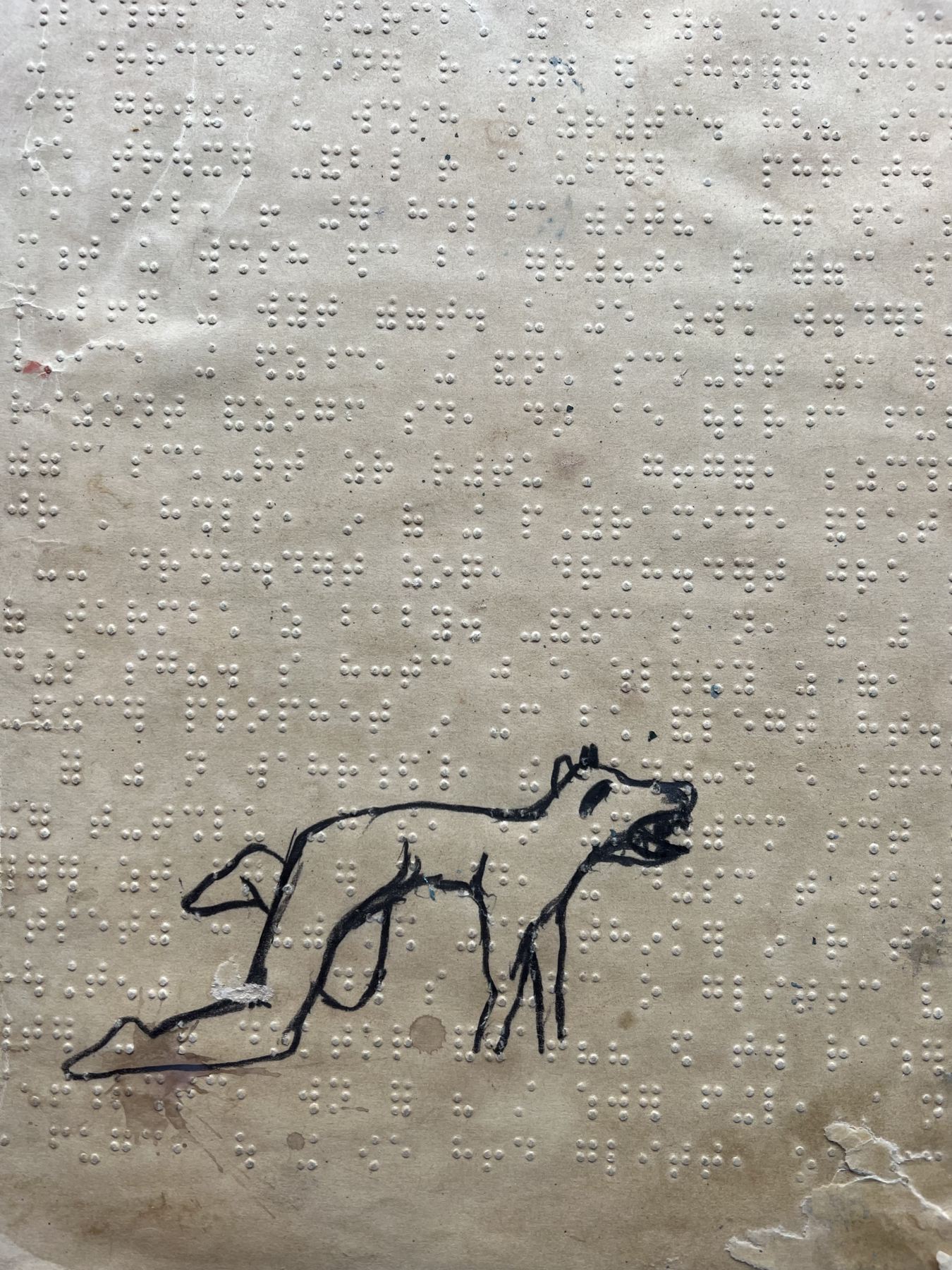
I am interested in the immediacy of drawing. A line catches a movement. A figure emerges from a few strokes and can change again in the next instant.
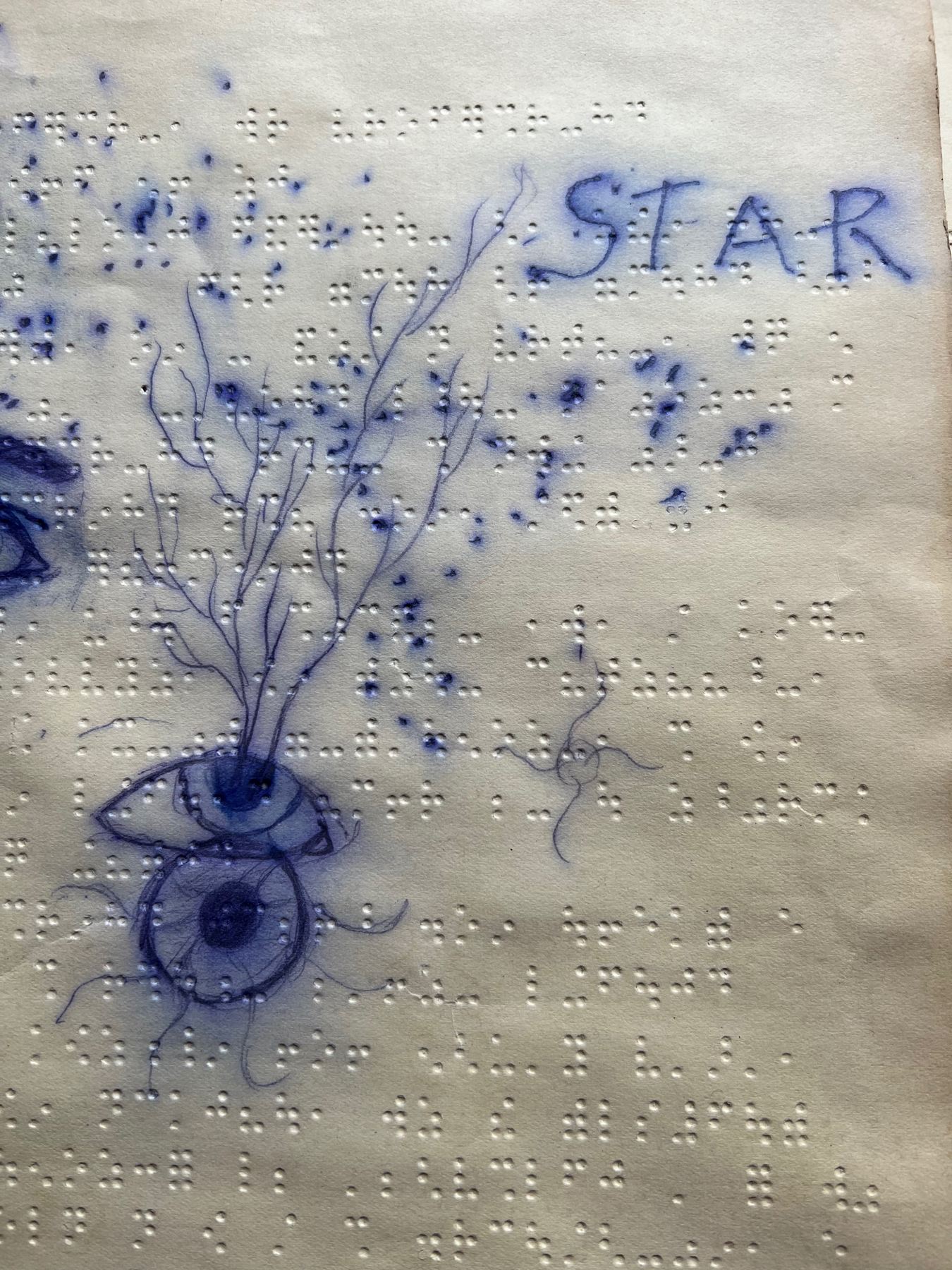
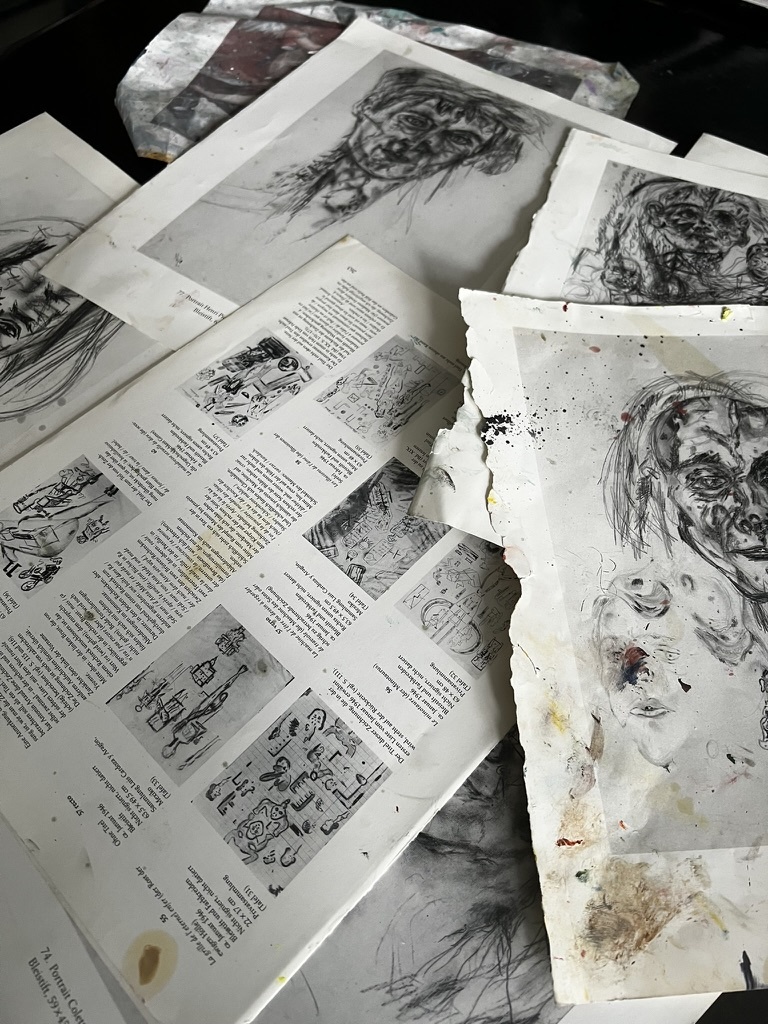
I draw on different kinds of paper, often already used, including old pages from Braille books. The embossed dots carry a language that remains unreadable to anyone who has not learned it.
But what about a drawing? Why do we believe we can understand it immediately? Do we recognise only what we already know? And what do we see when we stop assigning a meaning to a drawing straight away?
Journal
Tell Me About Love
The drawings and my text are collected in the artist’s book Tell Me About Love.
Theatre
Theatre as a journey towards the human
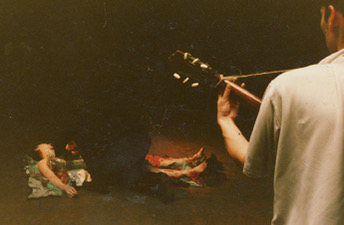
In 1986, while studying painting with Georg Baselitz at the Berlin University of the Arts, I founded Theater Artaud with the French actor Jean-Marie Boivin.
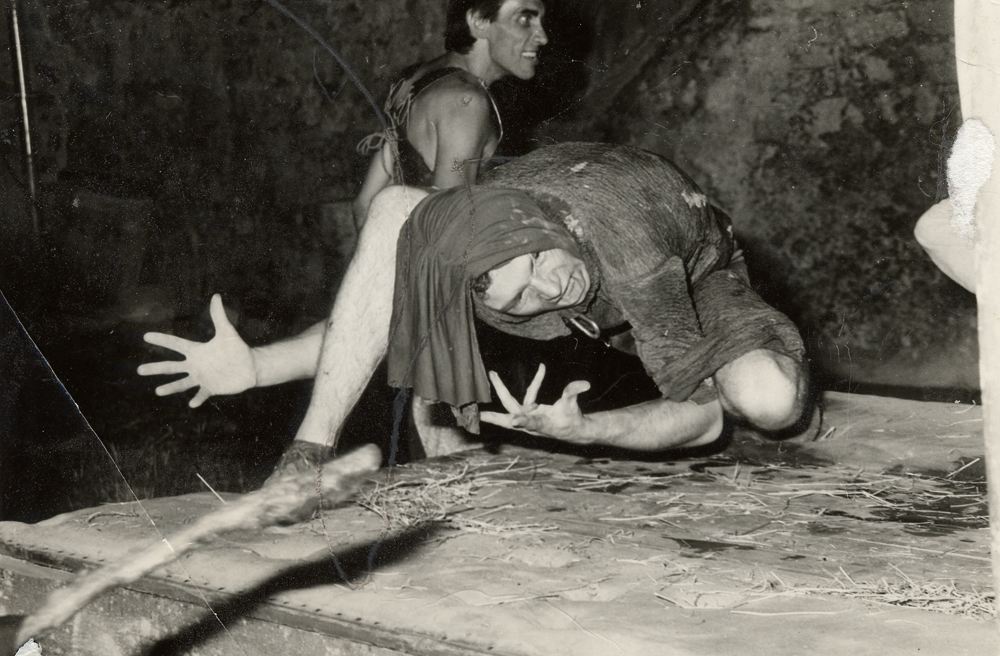
We were one of those strange plants that could thrive in the walled western sector of Berlin. A theatre group grew with an aggressive energy and formed an unusual kinship with Antonin Artaud’s language.
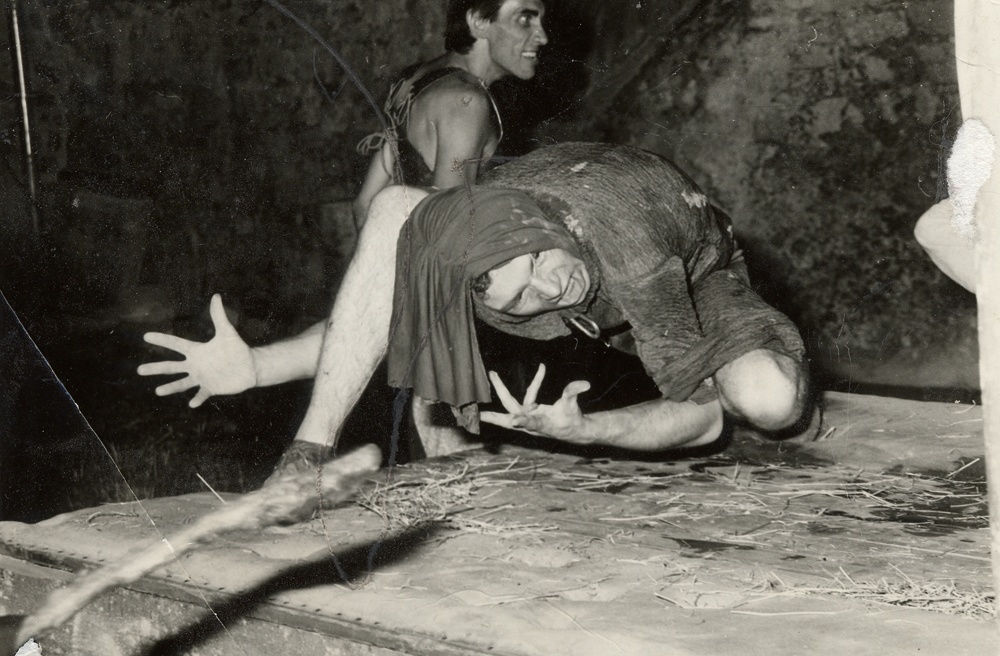
From his cries we made compositions of light, voice, body and sound. From his thin, fragile skin we tried to draw out something breathtakingly beautiful: the longing for life and the ability to give our hearts away. With a tender theatricality we said yes to the absurd.
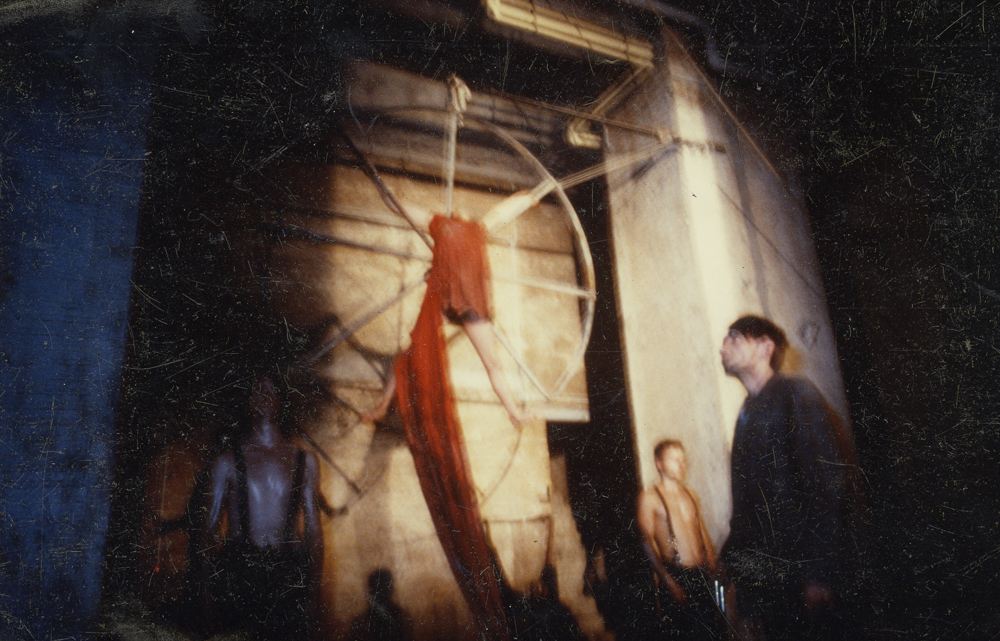
When the Wall fell, everything changed for me. Theatre on a stage suddenly seemed superfluous. Life was unfolding in the streets and had to find a new way to come together.
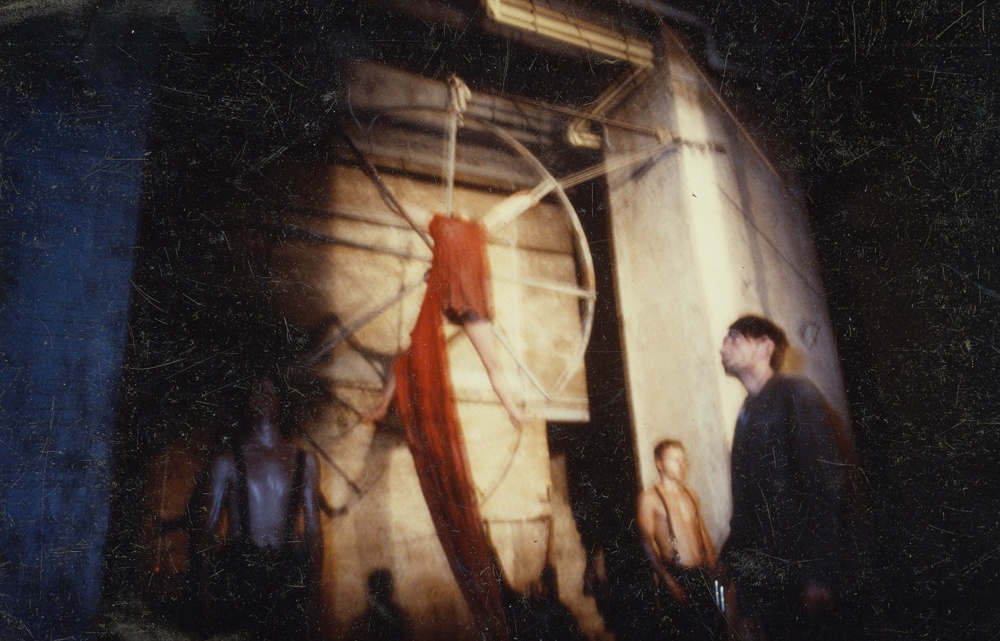
I turned to philosophy. Later I worked as an assistant and a sketch artist at several theatres, got to know different ways of directing, and began writing and staging my own plays.
In 2011 I accompanied my partner to Islamabad, Pakistan, where I stayed until 2015. Those years took me away from my earlier theatre work. I encountered another culture, different social realities and ways of living together. Familiar ideas of art and theatre receded into the distance.
On my return I began to immerse myself in C. G. Jung and his Red Book. In drama therapy I discovered the psychological significance of theatre and its ability to turn inner experiences into physical actions. Later, working with Alberto Villoldo led me to shamanic practices and to an exploration of the collective unconscious and the experiences of our ancestors.
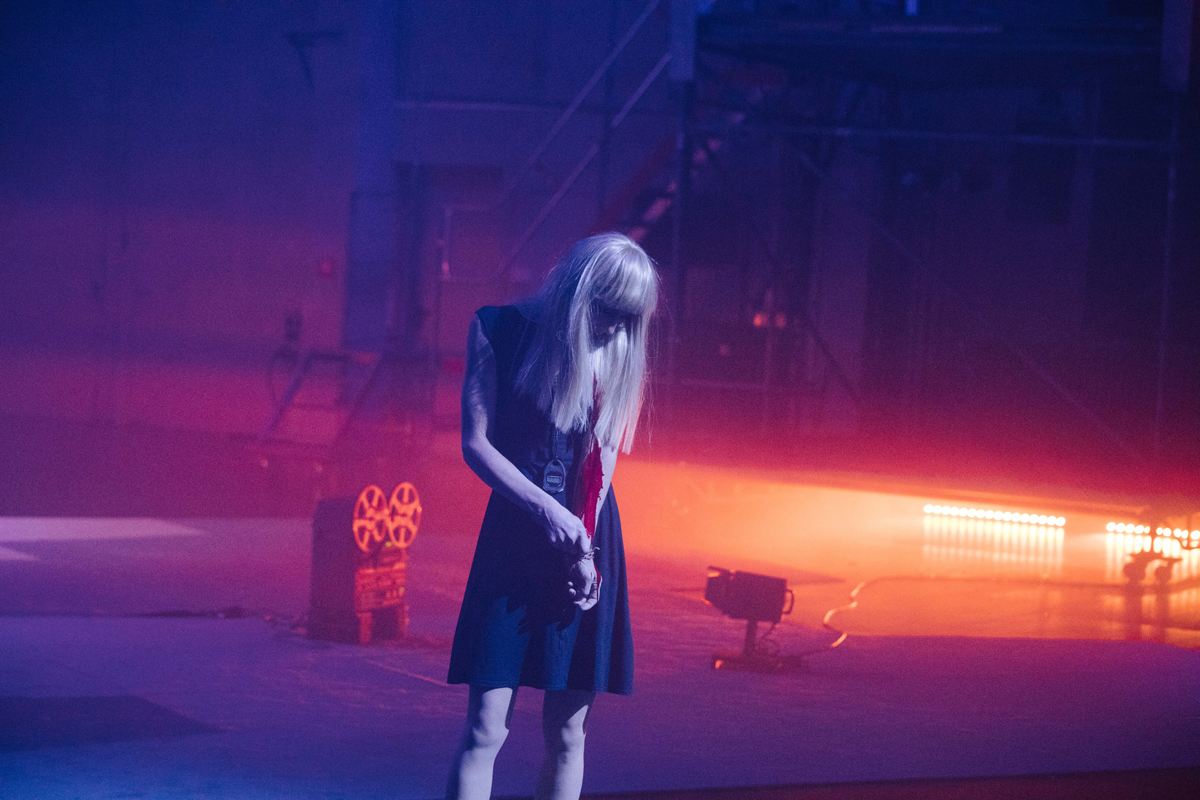
I wanted to look back at how we have developed. What have we gained? Have our scientific, intellectual, human and spiritual capacities really come together?
I think of the mysteries of Ephesus, of processions, dances around a fire and sacred chants. I think of Peter Brook, Joseph Beuys, Christoph Schlingensief and Pina Bausch.
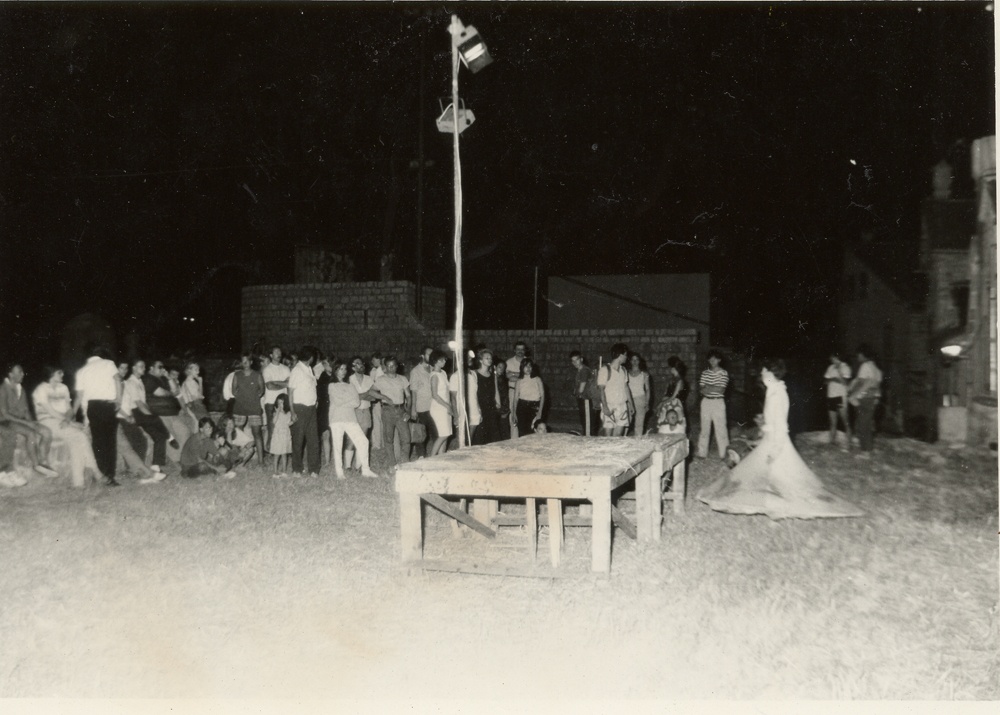
What can theatre be? What must it aspire to? What extraordinary capacities does it have that no other art form can bring into play in quite the same way?
Theatre can intervene in our lives. It can create experiences that change us as individuals and as a community. It demands integrity, imagination, love and an understanding of the world.
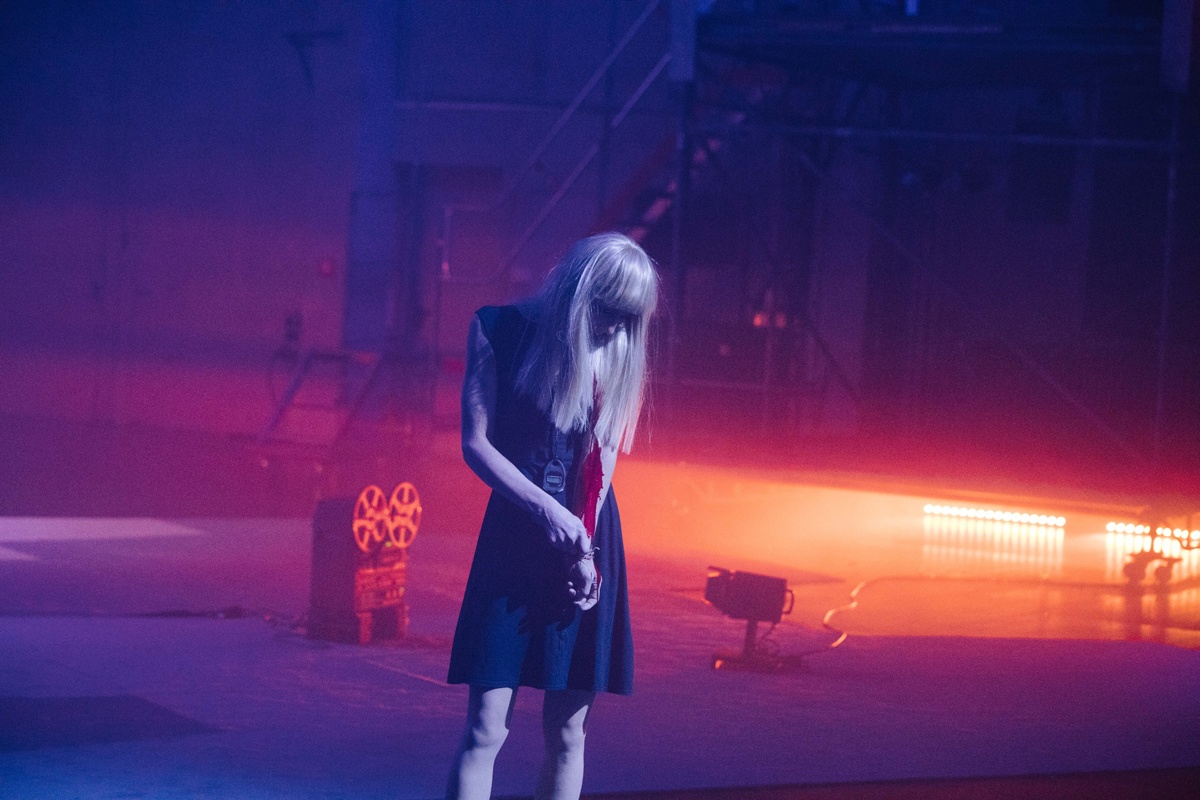
Theatre is a journey towards the human.
Films
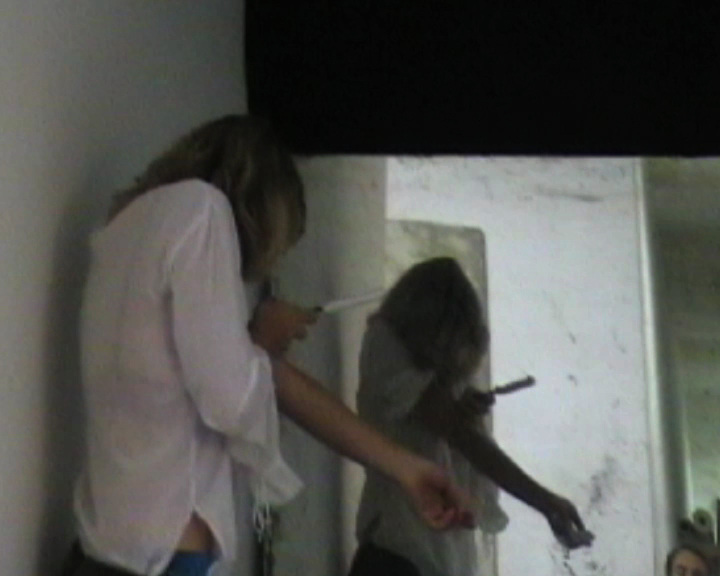
Artaud portfolio · Photographs by Amin El Dib, text by Susanne Husemann (2023). The PDF is forthcoming.
Artaud Drawing Room
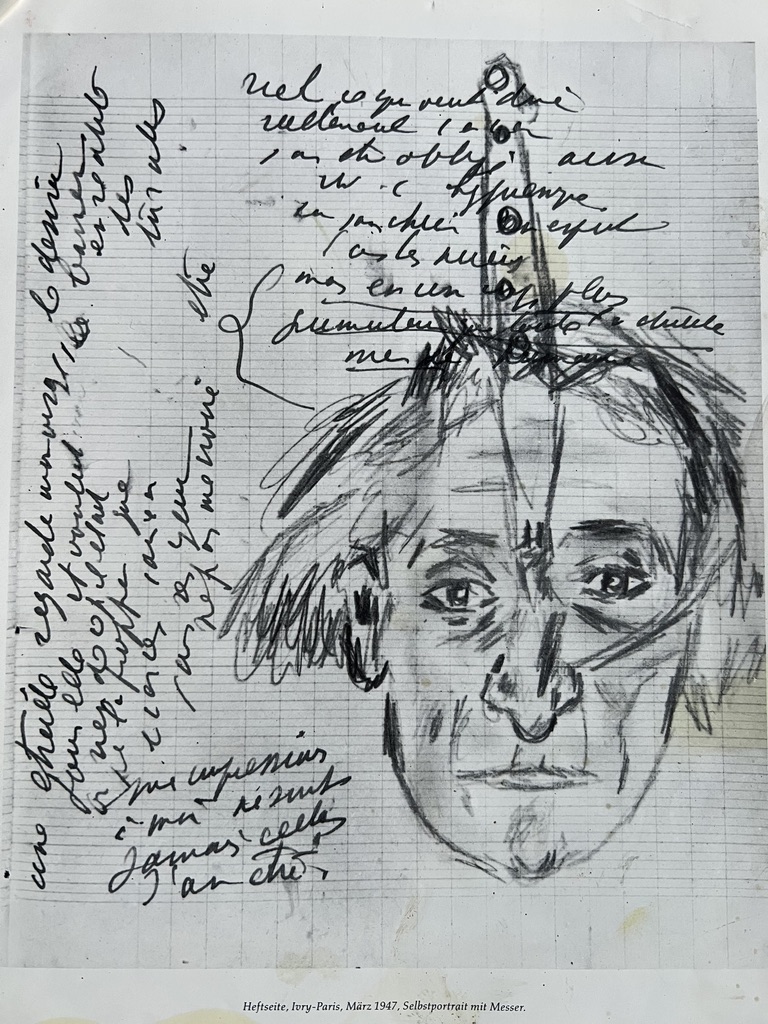
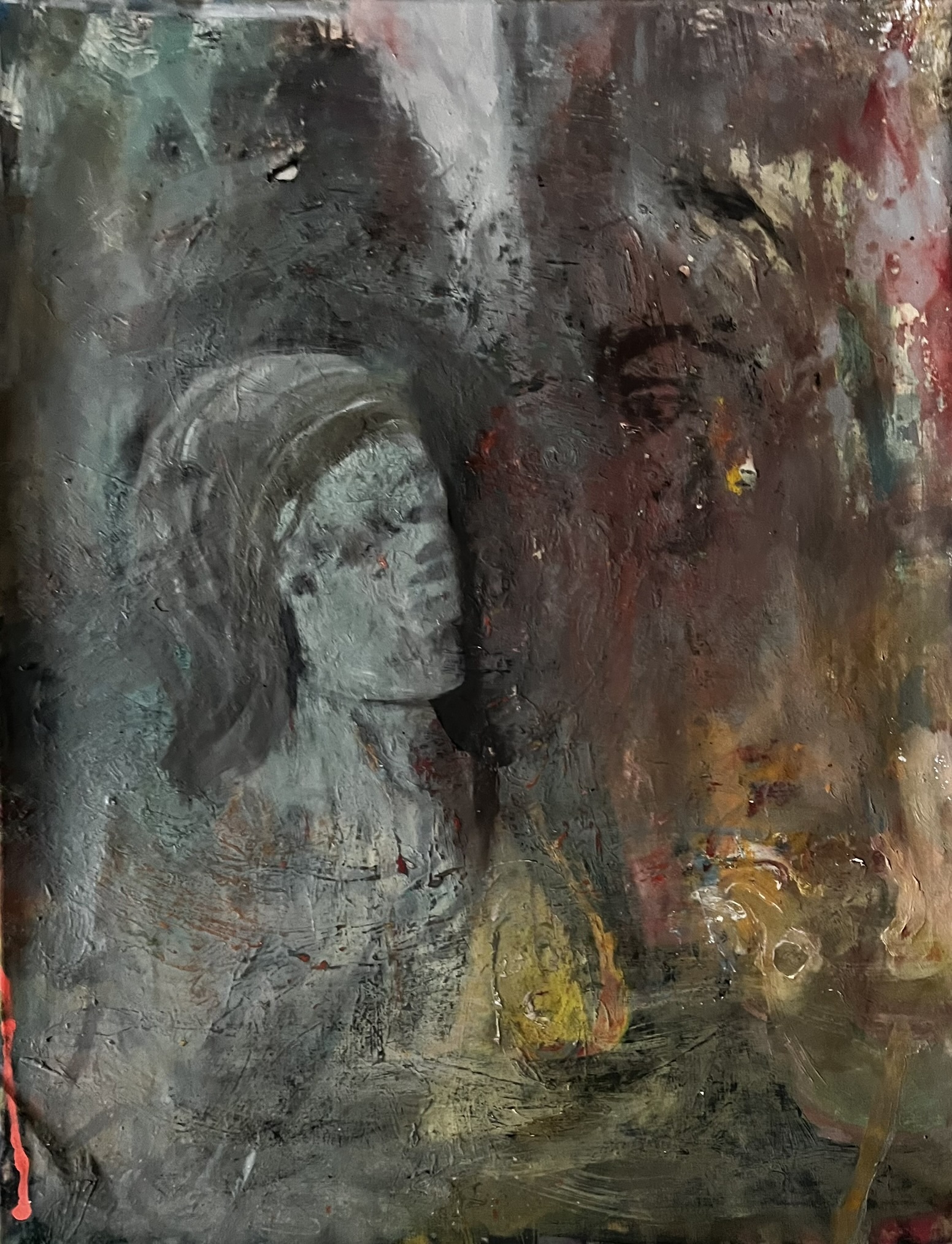
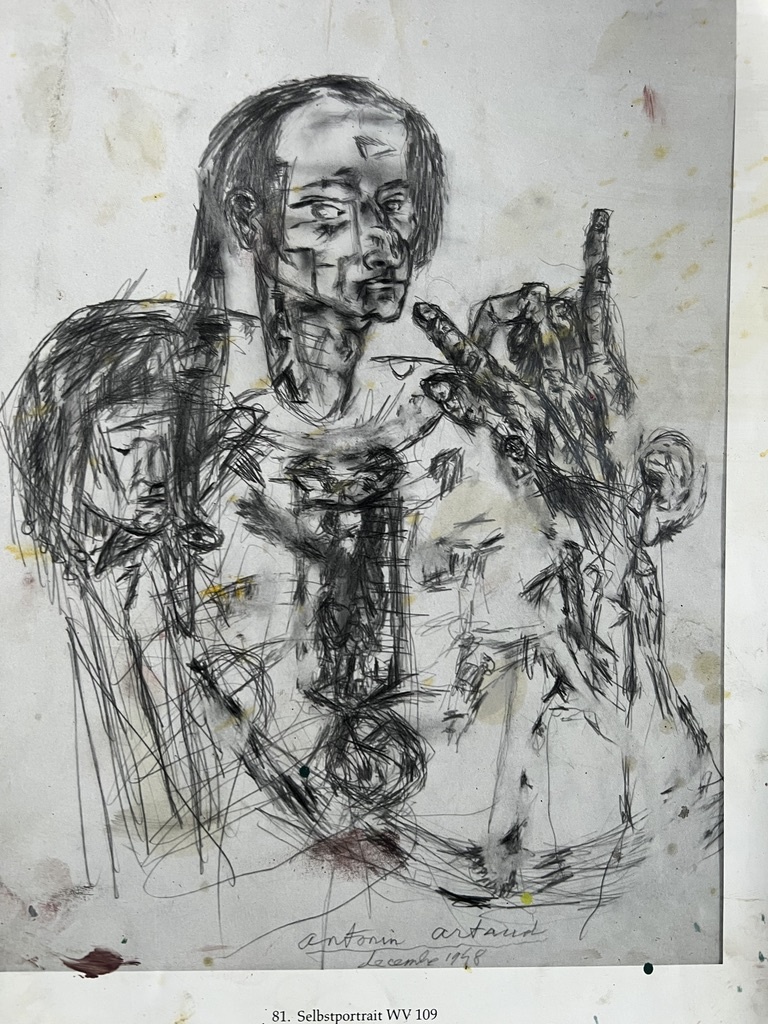
Drawings by Antonin Artaud and works of my own that grew out of them. A selection for the planned catalogue of images and texts, The Hand Freed from the Eye.
Drawings
Theatre sketches
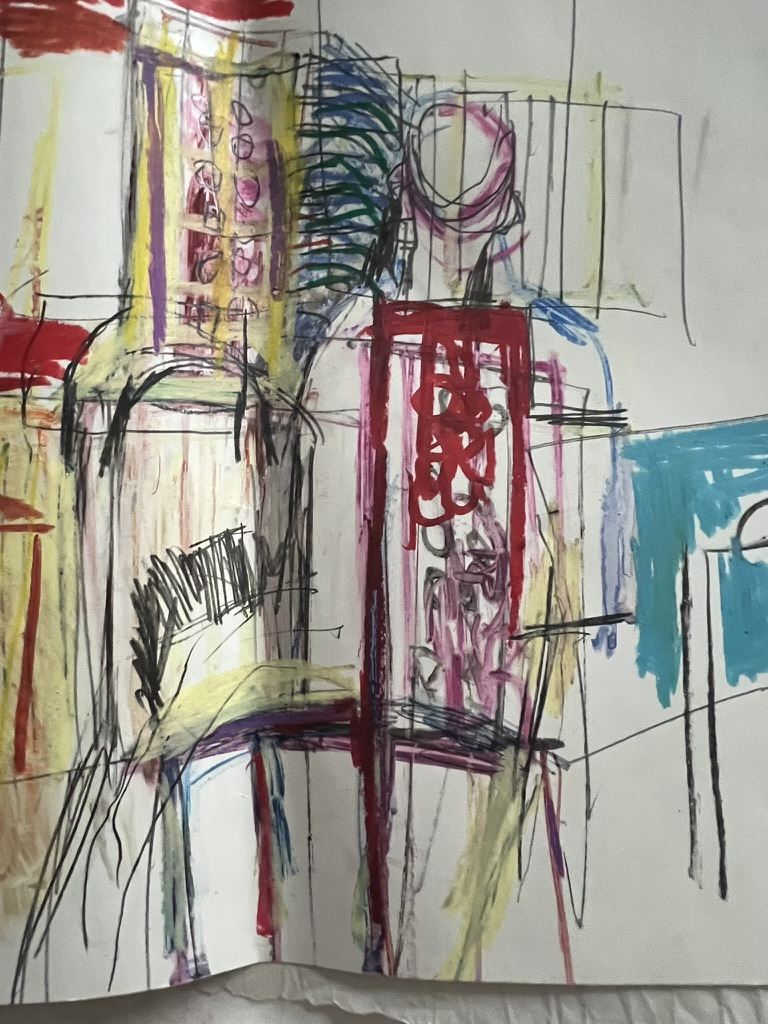
What fascinates me about sketching is its capacity to catch movement. I think of sketching as a dialogue between the arts. A sketch accompanies the rehearsal process as a scene is reconsidered, changed and tried out again, and the actors search for their roles.
The way a director works with actors shapes the character of my drawings. Peter Konwitschny (Mahagonny in Berlin, Götterdämmerung at Stuttgart Opera) is a sensitive director with a sense of humour. The sketches have a corresponding verve, quite different from those I made during rehearsals with Stephan Kimmig (Republik Vineta, Residenztheater Munich) and Mark Zurmühle (Klaras Verhältnisse, Residenztheater Munich).
The rehearsals with Andreas Kriegenburg (Leonce und Lena, Residenztheater Munich) and Roberto Ciulli were full of ideas, lightness and precision.
Jürgen Kruse (Der Sturm, Klassenfeind and Hamlet at Schauspielhaus Bochum) is an aggressive, imaginative “Rolling Stones director”. He expected actors to work with their aggression and use it for artistic expression. The drawings are raw in response.
Watching George Tabori rehearse his production of Der nackte Michelangelo at Berlin’s Brechtbühne was a wonderful experience. With the wisdom and experience of age, he guided the actors with an almost magical force. I felt the sketches drew themselves. I felt much the same sketching during Willy Decker’s sensitive work on Pelléas et Mélisande at Hamburg State Opera.
My affinity for the stage grew out of my own life. While studying painting at the Berlin University of the Arts I began presenting my own plays and performances. I later directed at several theatres, including the Residenztheater in Munich.
The sketches were shown in different ways. At the Thalia Theater in Hamburg, hundreds of drawings hung along the walls just below the ceiling, forming a long, readable record of rehearsals. At Stuttgart Opera (Der Ring des Nibelungen) and at the Aalto Theatre in Essen (Adolf Dresen’s Peter Grimes), the drawings appeared in programmes. They were also shown in an exhibition at Schauspielhaus Bochum.
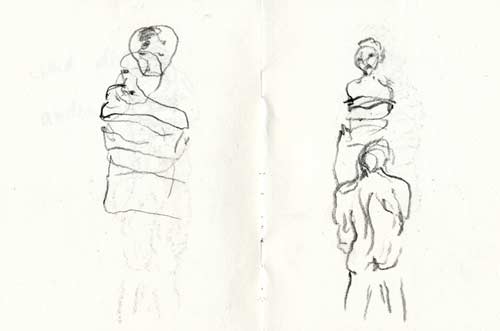
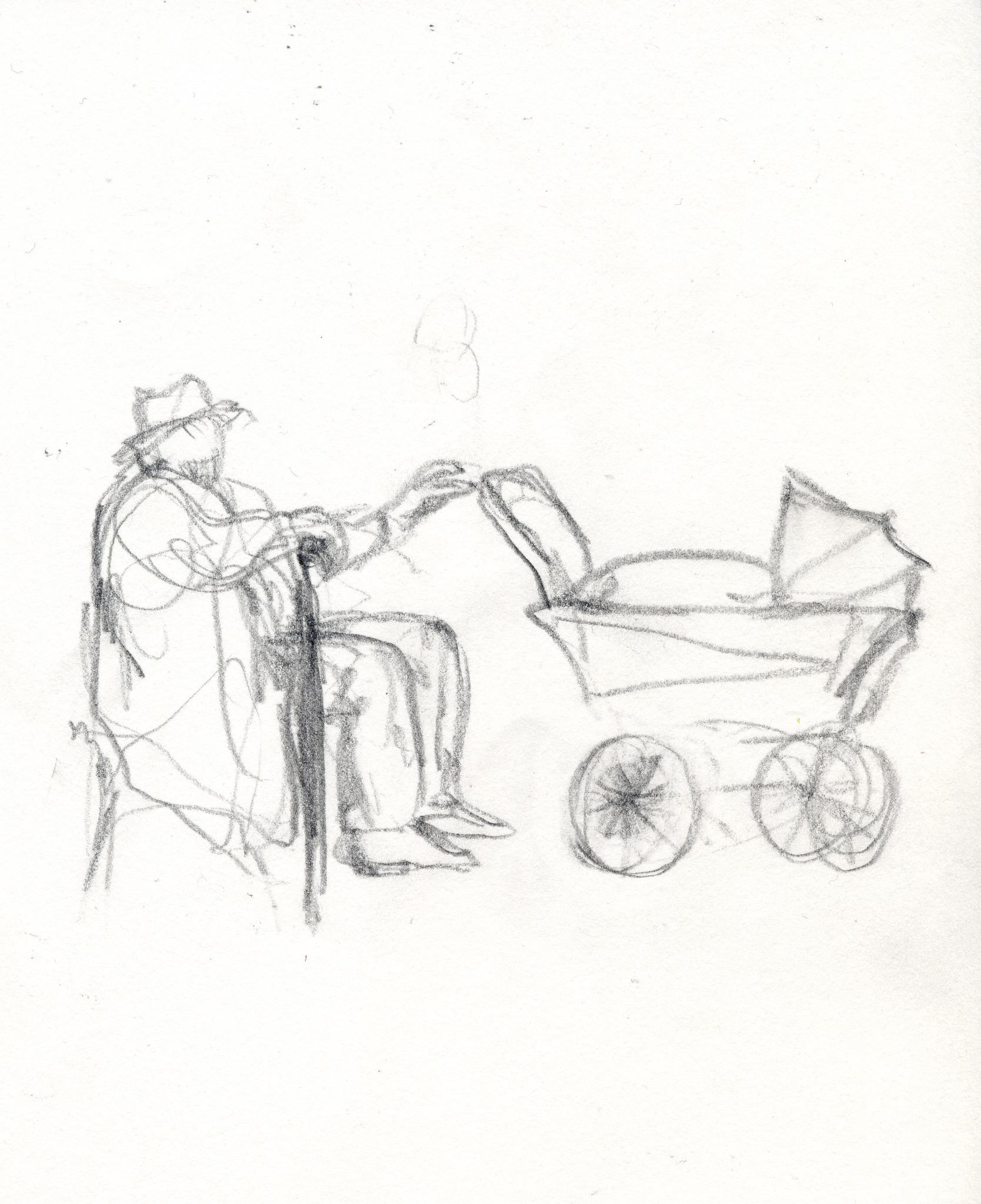
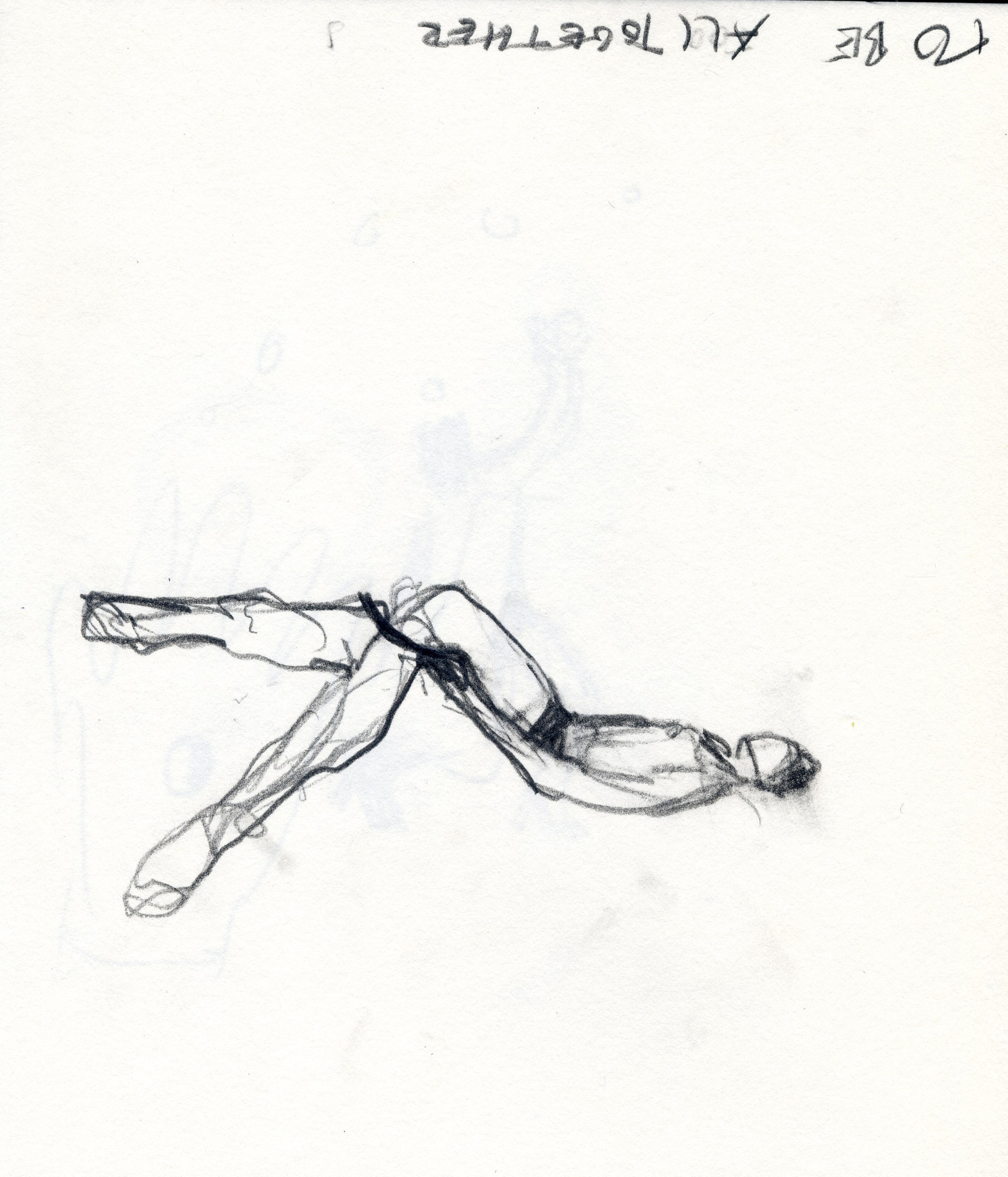
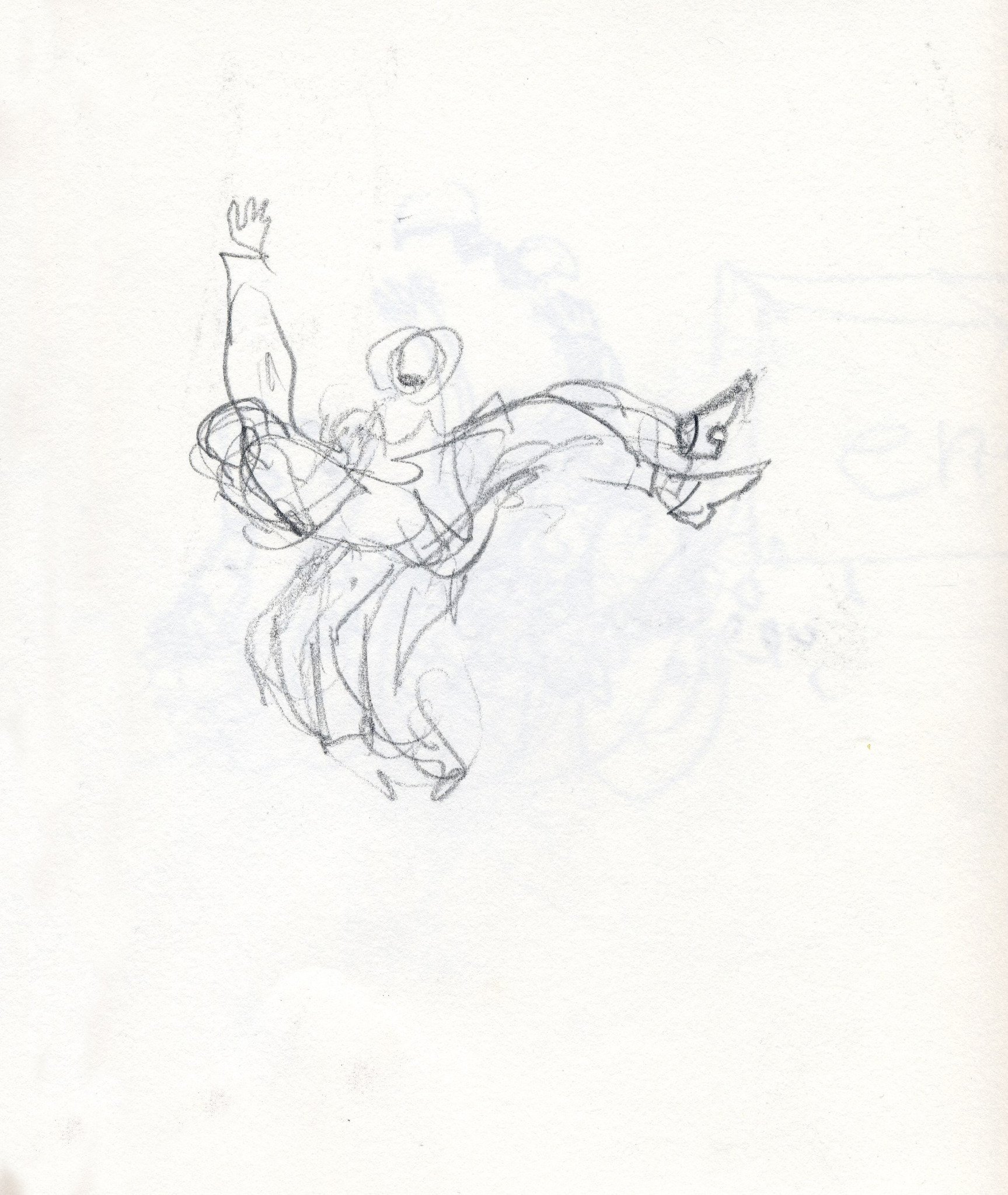
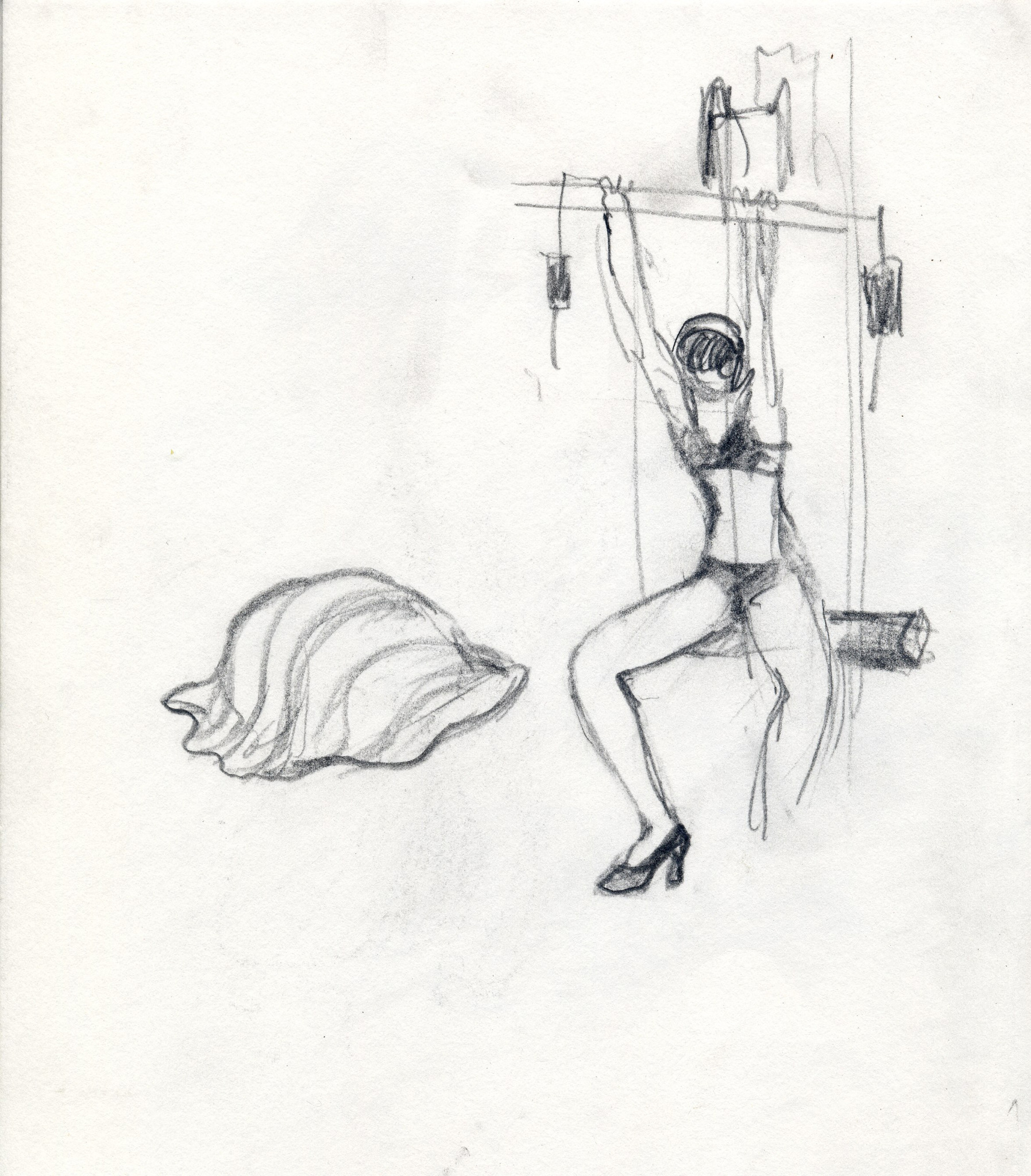
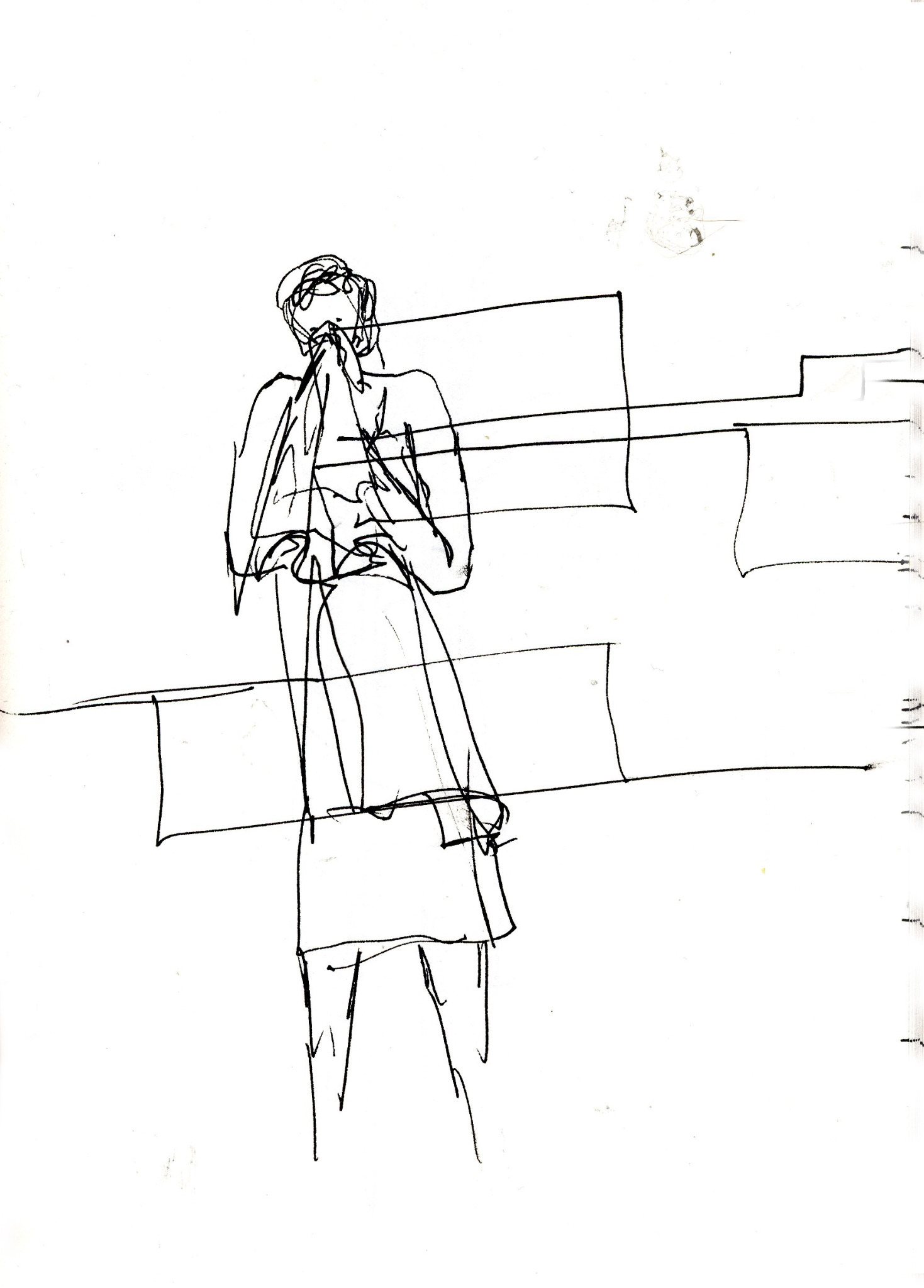
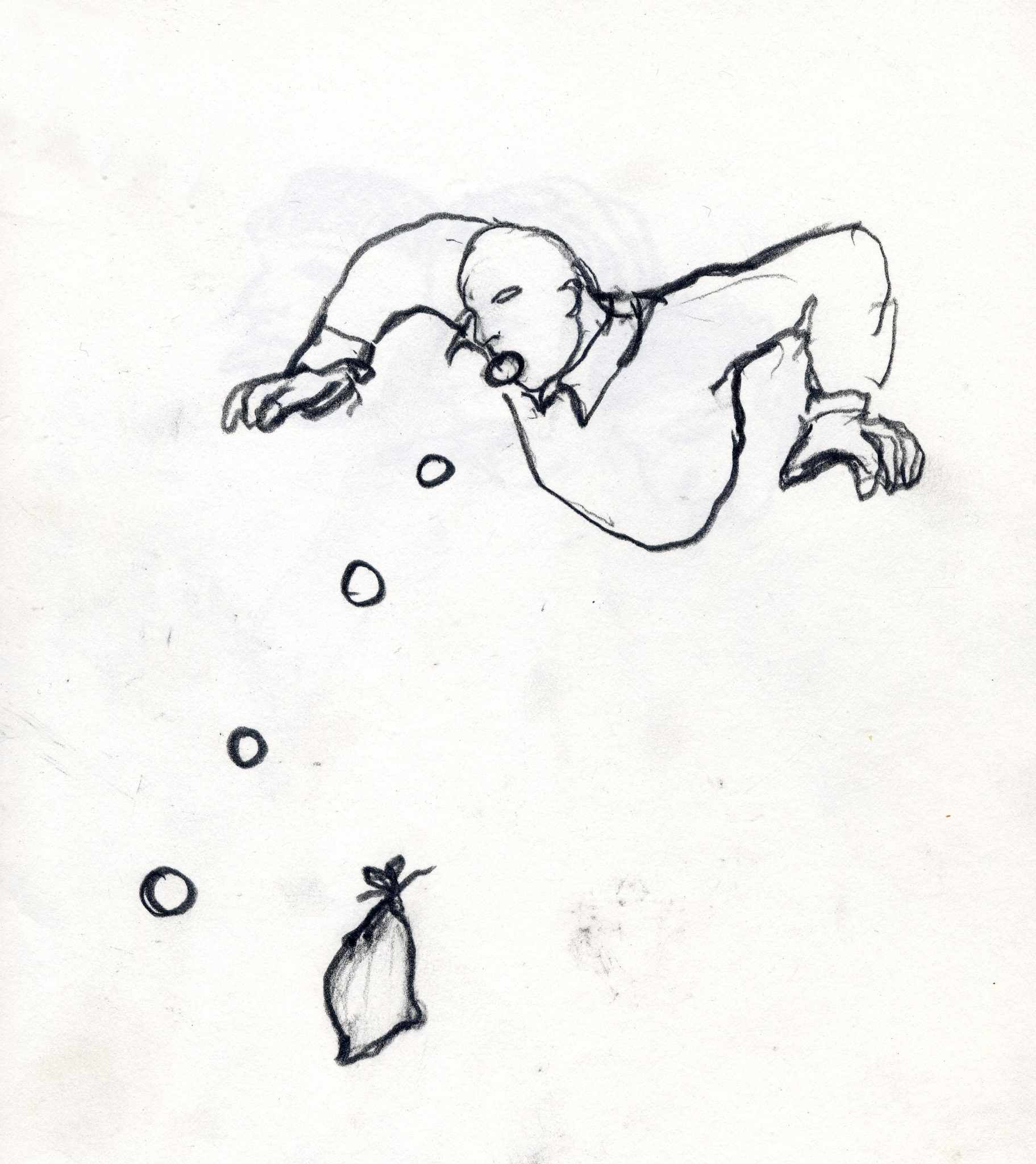
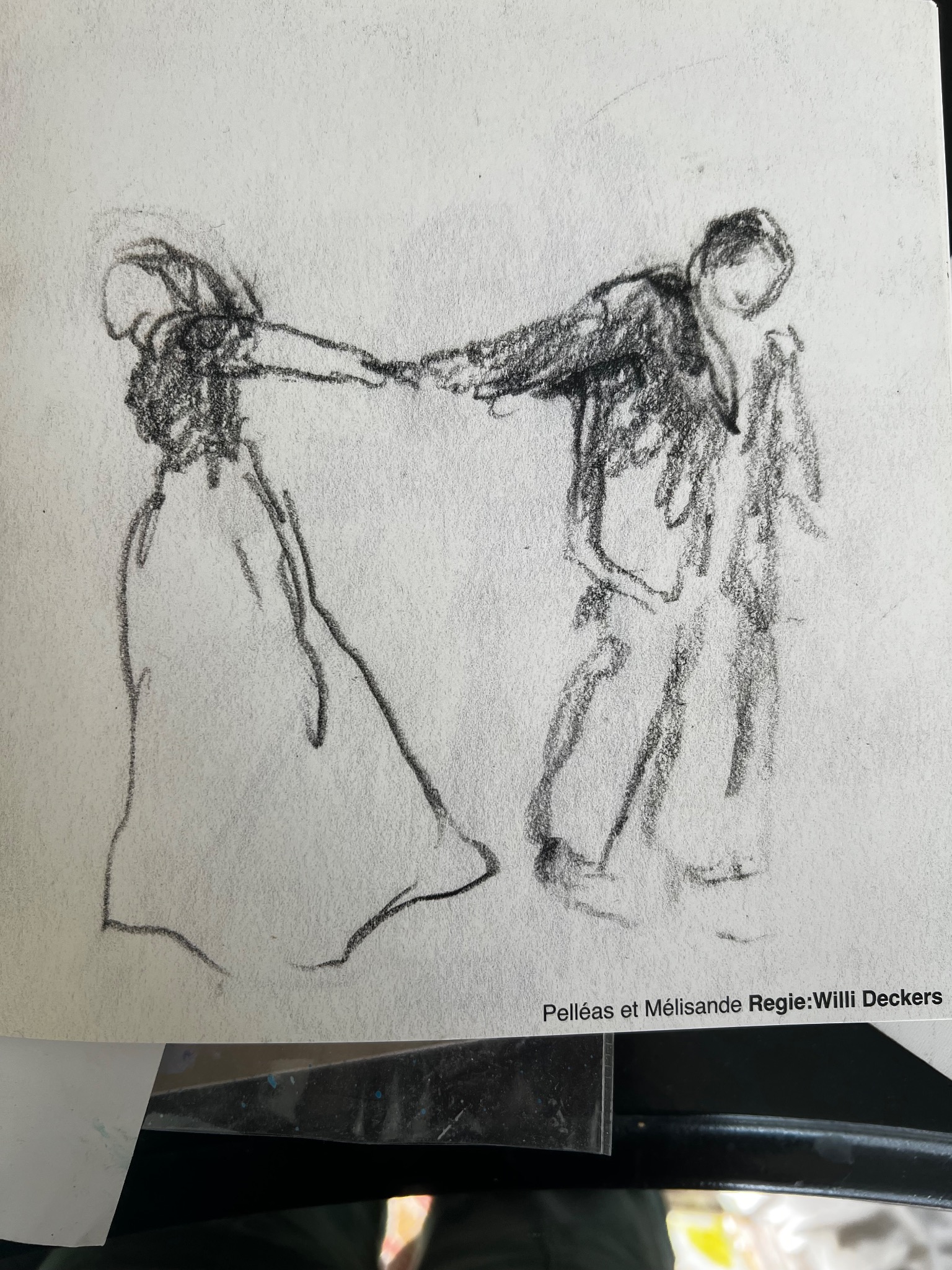
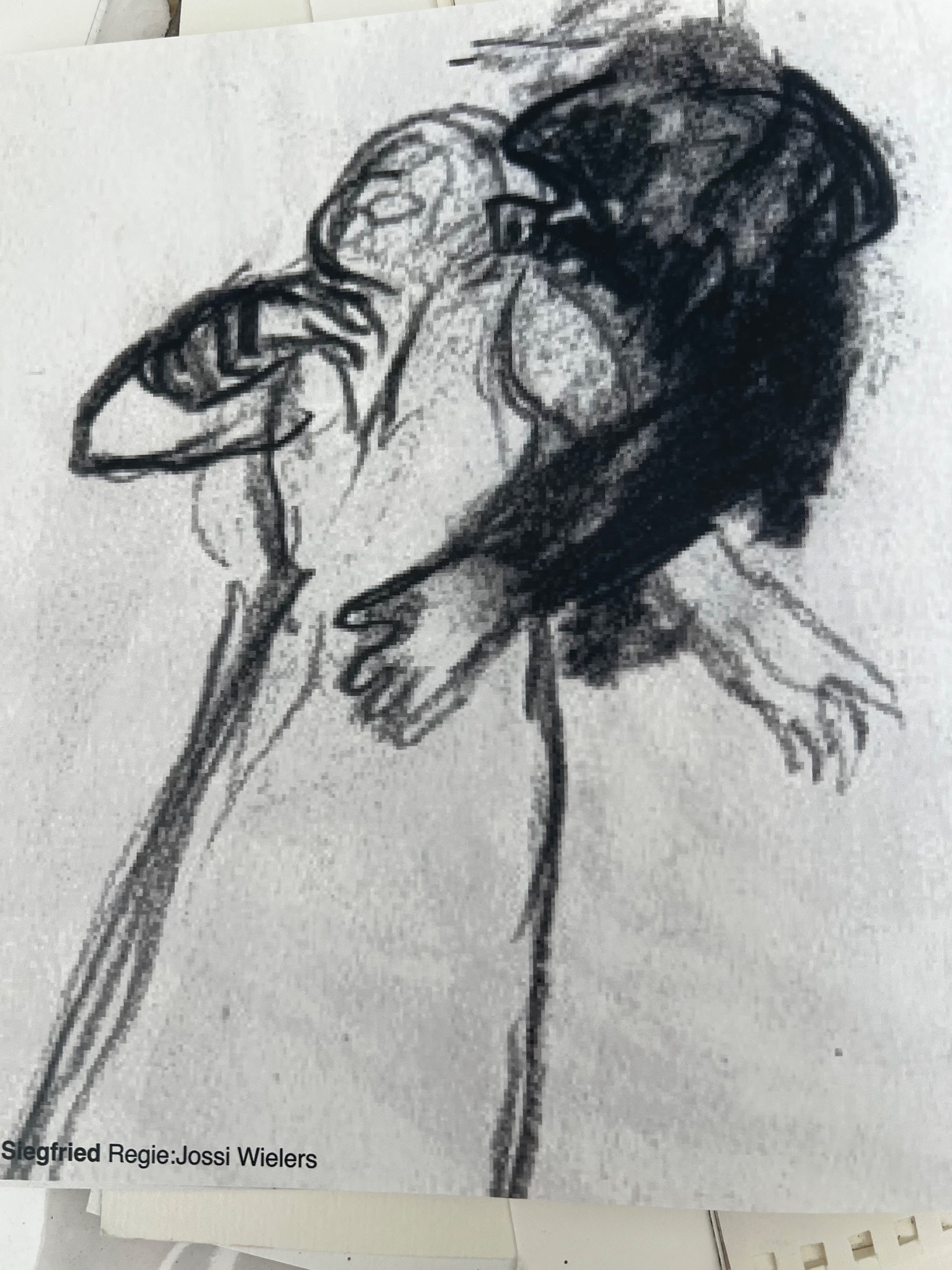
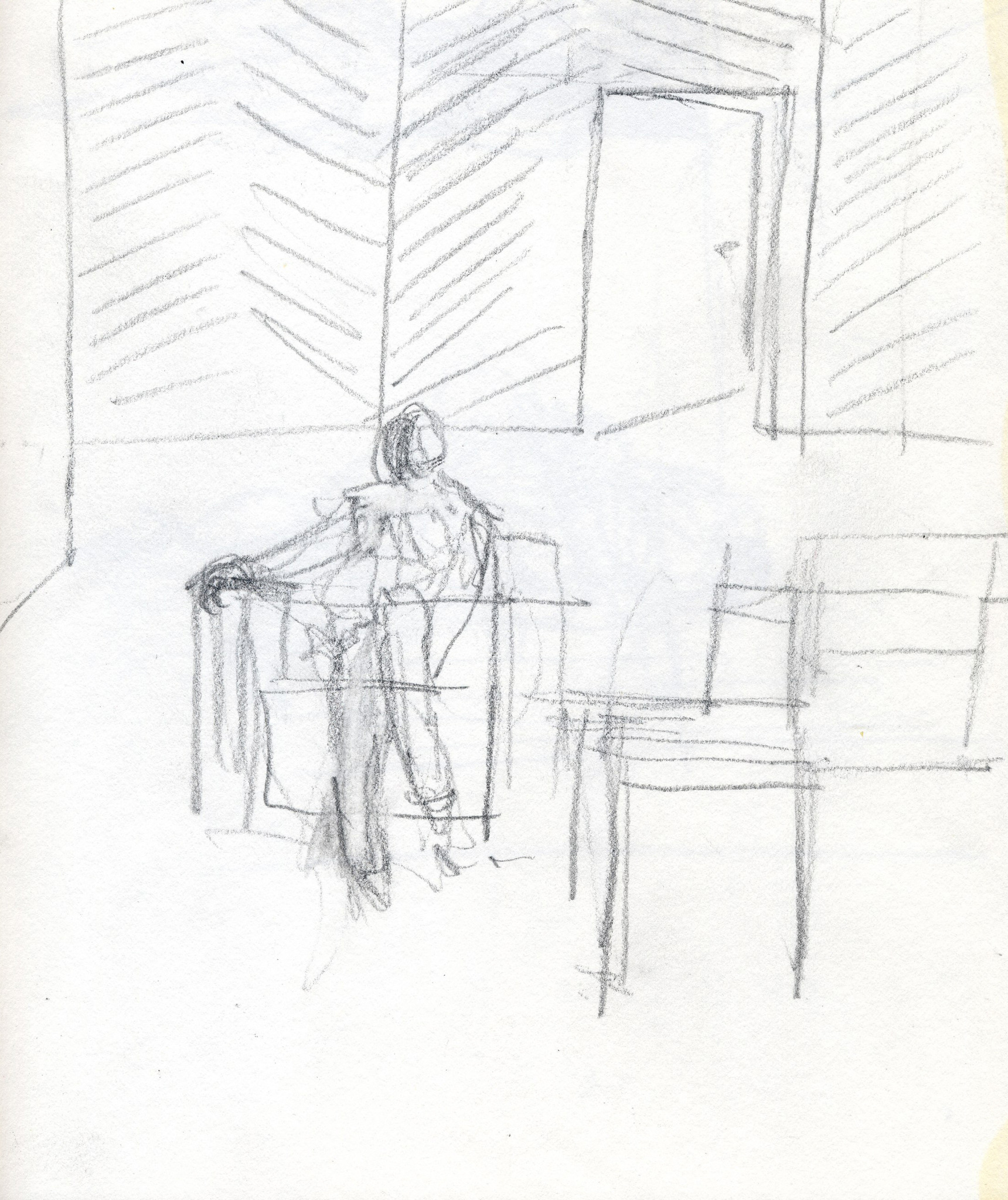
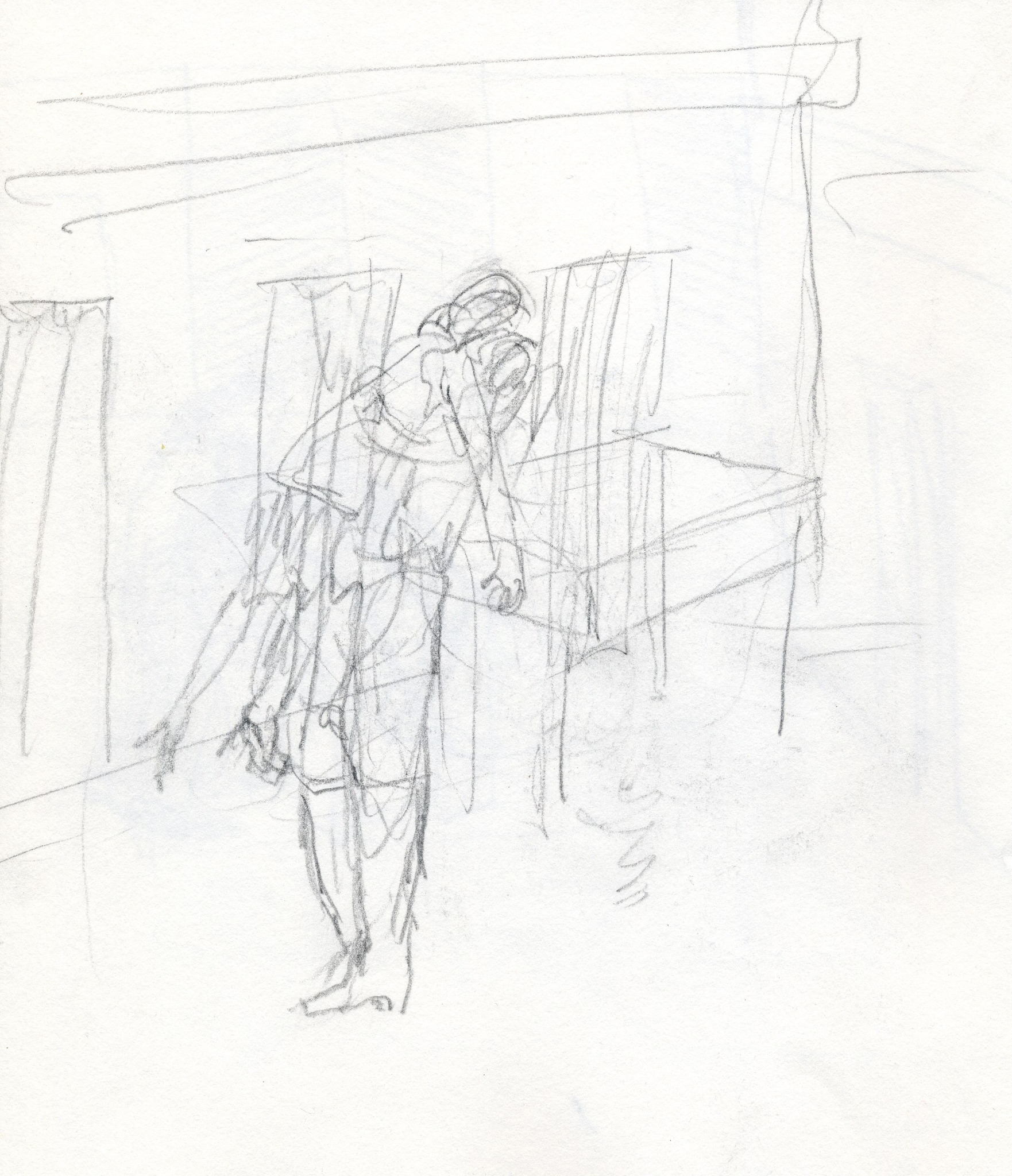
Two catalogues are in preparation: The Hand Freed from the Eye, with images and texts on Theater Artaud, and a catalogue of the theatre sketches.
Journal
Texts, conversations and catalogues
Artistic dialogues with Gilles Deleuze, Georges Didi-Huberman and Maurice Merleau-Ponty, alongside catalogues, my own writing and films about my painting.
These excerpts lead to the complete catalogues of images and texts.
Cartography of Thought
In Was wir sehen, blickt uns an, Didi-Huberman quotes James Joyce before going on, perhaps straight away, to tell the story of Christ’s empty tomb. The empty tomb as evidence of life: I think of Proust’s madeleine, which Julian Barnes turns into a slice of buttered bread in Abschied. Above all, I think of the little patch of yellow in Vermeer’s cityscape. I try to bring all these things together somehow.
It has to do with how we see and how we learned to see. With what is indelibly engraved in our collective memory of images (Museum). With new connections inscribed in the brain that can hold chaos or the unthinkable in an image.
And then it all leads me back to Deleuze. He speaks of the necessary catastrophe in the act of painting, so that something can come out of it, “so that colour rises” (what does Cézanne mean by that?). (A further piece on Cézanne is pending.)
I think immediately of the fold. What was it Leibniz wrote about it? How much do I think when I paint, or am I simply looking? A cartography of thought (Museum).
And I am certain Deleuze is right when he writes that it takes an encounter with a sign to force us to think. Something strikes us that we cannot place, that eludes our habitual thinking. It makes us see differently, think differently. Perhaps that is precisely what art can do. ART AS SHOCK (Artaud drawings).
I began painting at twelve in my mother’s studio. It was always people I wanted to paint, and it still is (watercolours).
What interests me in Vermeer is the space you step into, the space of his painting as a place in which to paint. What happens in that place?
Or do I go straight to the museum? What happens to the pictures there? Have they fallen silent so that others may speak about them? Why do they no longer speak directly to us? Have we lost the meaning, or must we first understand their history?
Art “thinks” in folds. It creates spaces that cannot be reduced to a totality, spaces that take on a life of their own and connect the visible with the invisible.
ARTAUD
My interest in Antonin Artaud began more than thirty years ago, when Jean-Marie Boivin and I founded Theater Artaud. I was fascinated by his poetic power and his love of the numinous, by his openness to the unpredictable. Space, light, music and gesture became a language for us.
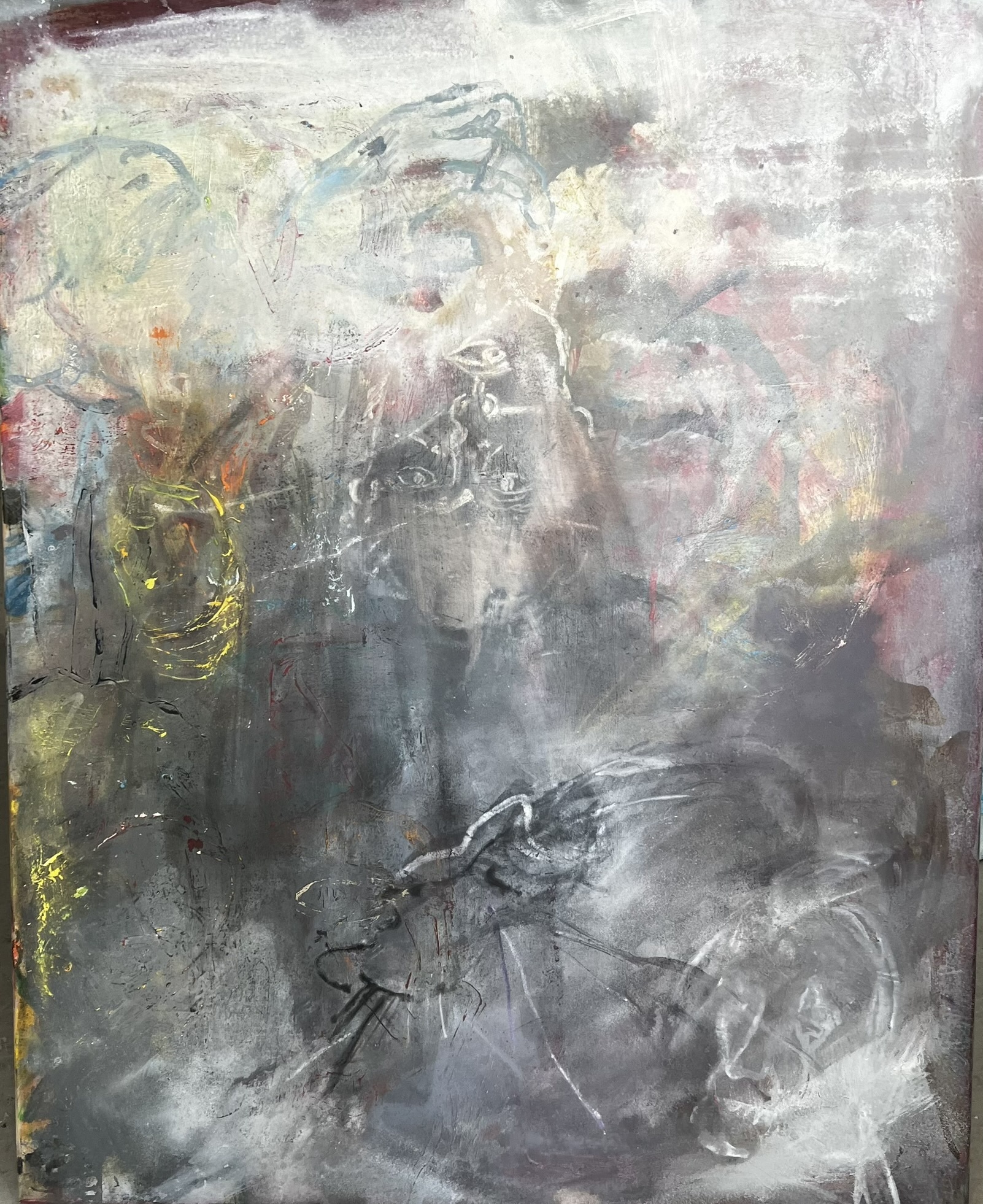
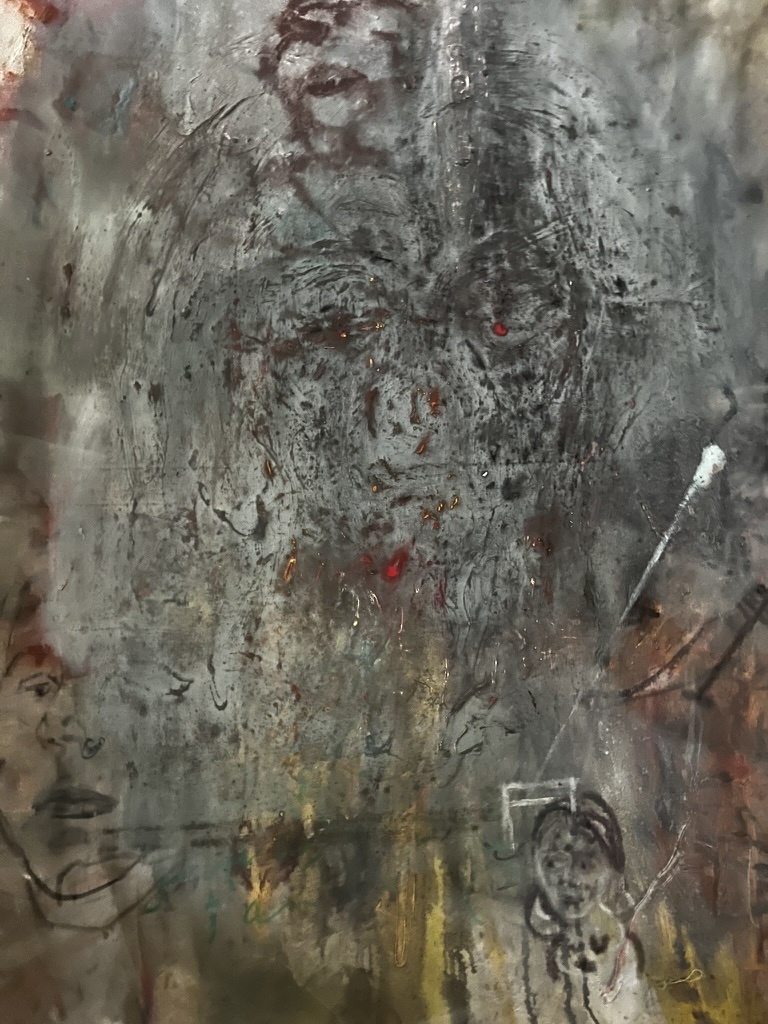
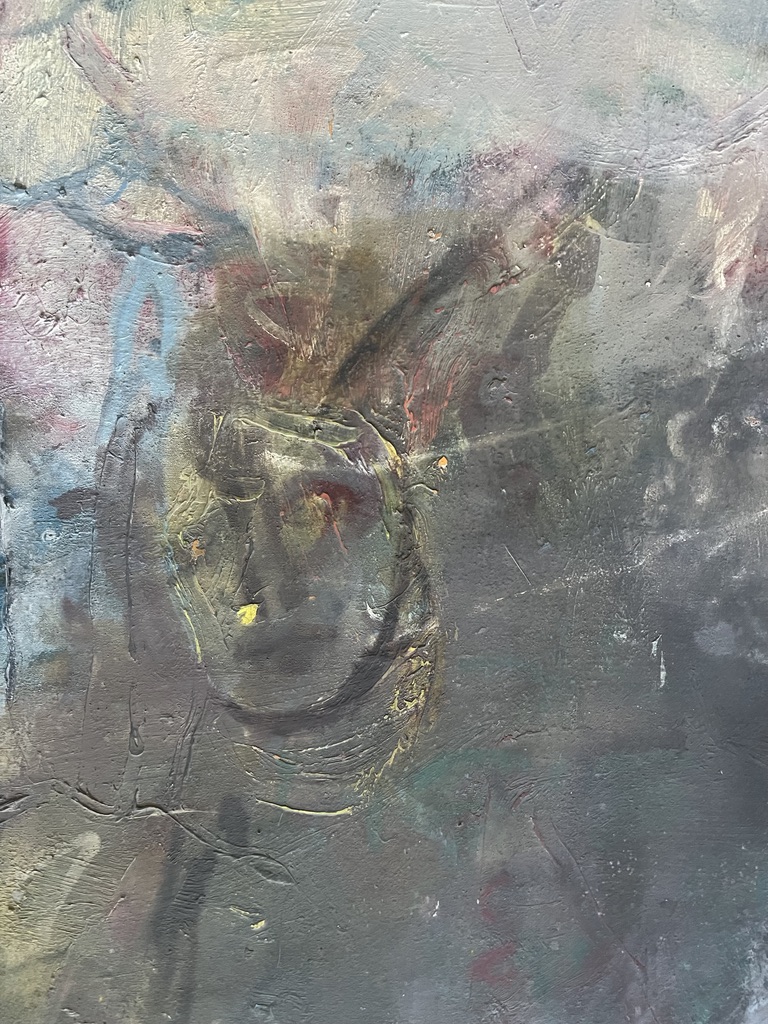
The four paintings on display take their cue from his intensely personal drawings made during his stays in Rodez and later in Ivry. I am interested in how the hand challenges the eye’s prerogative, how the impulse decides. In painting I try to find a way into Artaud’s world of experience, to make it possible to step into his emotional space. It is an approach to something that also withdraws, as singular and private as a personal style.
The fascination remains: looking into an abyss whose depth we cannot fathom.
Digital artist’s book
The digital edition will appear here once the corresponding file has been identified.
Texts and catalogues (PDF)
Films and performances
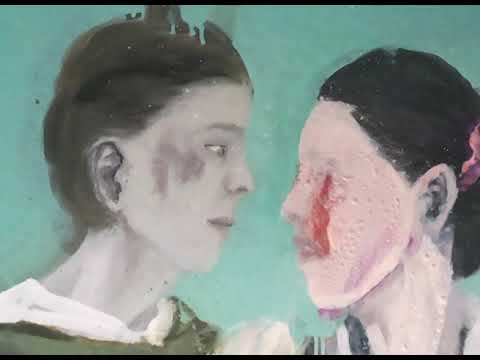 Tell Me About Love ↗
About the film
Film: Stella Husemann
Text: Susanne Husemann
Read by Katharina Molzberger (in English)
Galerie Michaela Helfrich
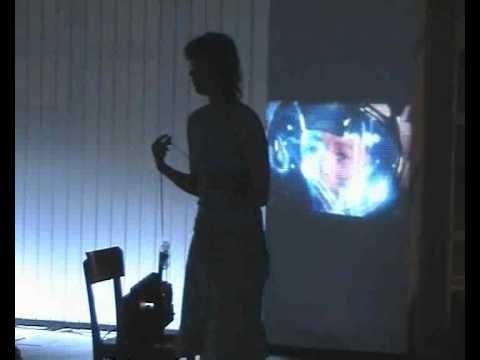 Frauen.Krieg.Terror ↗
About the film
Text: Susanne Husemann / Effi Rabsilber
Staging and direction: Susanne Husemann
Dramaturgy: Katja Kettner
Cast: Effi Rabsilber, Judith Mann, Rima Haj Kheder
Music: Antonio Alisano
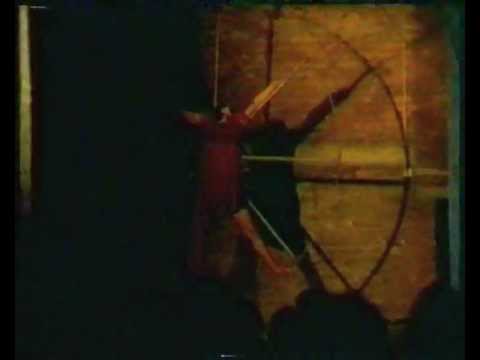 Theater Artaud ↗
About the film
Berlin, 1986–1991
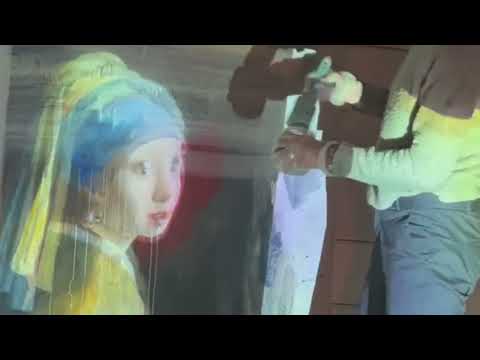 Vermeer ↗
About the film
Film on the Vermeer series
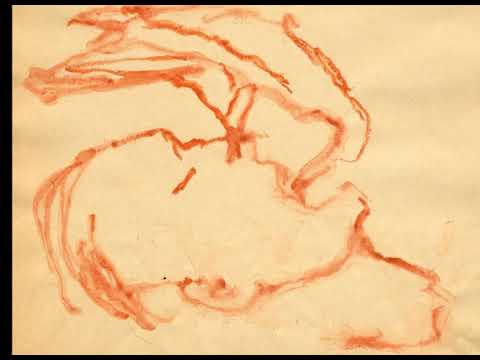 Interview with Susanne
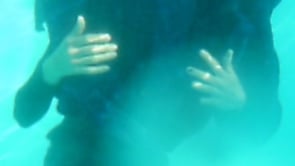 Watch Me – Four Years in Pakistan
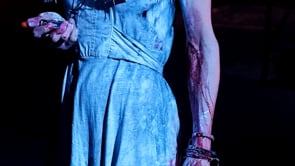 The Flying Dutchman
Contact
Susanne Husemann
Lives and works in Berlin.
Mobile: 06-53396764
Telephone: 0172-438066
CV
Education
1987–92 · UdK Berlin
1991 · Glasgow School of Art
1993–96 · Department of Philosophy, Tübingen
2015–17 · Campus (C. G. Jung)
2019–21 · Four Winds with Alberto Villoldo
Performance and theatre
2019 · UPGRADE, Performance, K-Salon
2017 · „Fliegende Holländer“, Performance, Deutsche Oper Berlin
2015 · „Blue Burka“, Performance, K-Salon
2009 · „want my soul“, Performance, K-Salon
2008 · „Beziehungsweise“, Performance, Galerie Klötze und Schinken
2007 · „Müllcode“, Performance, Open studios
2007 · „Mercedes“, Direction, Café Sybille
2006 · „Andere des Anderen“, Direction, Theaterkapelle
2005 · „Frauen.Krieg.Terror“, Performance, Aktionsbank Berlin
2004 · „Frauen.Krieg.Terror“, Performance, Arena Bunker Berlin
2003 · „Frauen.Krieg.Lustspiel“, Direction, Orph Theater
2002 · „Pflege aller Rassen“, Performance, Theaterdiscounter
2001 · „Treibhaus“, Direction, Residenztheater München
1986–91 · Director of Theater Artaud
Solo exhibitions
2023 · German Embassy Residence, The Hague, Netherlands
2022 · K-Salon, Berlin
2021 · K-Salon, Berlin
2020 · Galerie Helfrich, Berlin
2019 · K-Salon, Berlin
2018 · Kellergalerie Vienna; K-Salon Berlin
2017 · K-Salon, Berlin
2016 · K-Salon, Berlin
2016 · Deutsche Oper Berlin
2015 · Nomad Gallery, Islamabad, Pakistan
2014 · Nomad Gallery, Islamabad, Pakistan
2014 · Heritage Gallery, Islamabad, Pakistan
2013 · O’Reilly, Islamabad, Pakistan
2013 · K-Salon, Berlin
2012 · Galerie Rohling, Berlin
2012 · V. M. Art Gallery, Karachi, Pakistan
2012 · ROTHAS Gallery, Lahore, Pakistan
2012 · Nomad Gallery, Islamabad, Pakistan
2012 · K-Salon, Berlin
2009 · Galerie Orange, Berlin
2009 · Galerie Klötze und Schinken, Berlin
2008 · Galerie Klötze und Schinken, Berlin
2005 · Aktionsbank, Berlin
2002 · Foyer exhibition Schauspiel Bochum
2001 · Micado, Berlin
2000 · Foyer exhibition Thalia Theater Hamburg
Invitations and grants
1988–92 · Berlin Senate funding for Theater Artaud
1992–94 · NaFöG scholarship
1993 · International landscape painting workshop, Schwedt/Oder
1994 · DAAD scholarship, Japan
2000 · Art of EXPO, New York, USA
2001–06 · Berlin Senate funding for Theater Artaud
2012 · Karachi Cultural Weeks / Goethe-Institut
2022 · Art symposium, Hungary
2024 · International Painting Symposium „DRUZHBA-2024“
Publications
2023 · Why Vermeer? · ISBN-10: 3752611014
2022 · Pakistan · ISBN-10: 3756834441
2010–12 · Supplements for the 2nd, 3rd and 4th Long Nights of Opera and Theatre, Der Tagesspiegel
2012 · Kunstforum: „Gesicht im Porträt“, Judeth Elisabeth Weiss
2012 · Exhibition catalogue Ahonggong Art Space
2005 · Catalogue “Freier Wille“, Arena Berlin
2001 · Catalogue “10 Jahre Internationales Landschaftspleinair“, Naturstiftung DAVID
2000 · Art for Expo, Exhibition catalogue
1998/99 · Theatre magazine Aalto-Musiktheater
1999 · Staatsoper Stuttgart, Issue 52
1995 · Catalogue of scholarship recipients
1993 · Catalogue “Rapunzel“, Brüder Grimm-Museum Kassel
Group exhibitions
2026 · Schloss Bröllin
2026 · Schaufenster Berlin
2025 · K-Salon
2025 · Gedok Brandenburg
2024 · Exhibition hall „Lubor Bayer“, Stara Zagora, Bulgaria
2023 · Kunsthalle Hilsbach
2022 · Galerie Mamü, Budapest, Hungary
2022 · Magyar Mühely Galerie, Budapest, Hungary
2018 · Kellergalerie Vienna; K-Salon Berlin
2012 · Ahonggong Art Space, Mianyang, China
2012 · Friedrichstraße 200, Berlin
2011 · Hamburger Kunsthalle showcase, Berlin
2010 · Forgotten Bar, Berlin
2009 · Studio exhibition Hagelbergerstraße
2009 · K-Salon, Berlin
2007 · Galerie Klötze und Schinken, Berlin
2004 · Galerie Kruse, Hamburg
2003 · Open studios Hagelbergerstraße
2002 · Tempelhof Town Hall, Berlin
2001 · Galerie Kruse, Hamburg
2000 · Galerie Kruse, Hamburg
2000 · EXPO 2000, Hannover